





Oregon grape
Berberis aquifolium
Oregon grape is a lovely shrub with shiny leaves and bright yellow flowers. It grows berries that are blue and can be used to make jelly! This plant is great for gardens and helps attract butterflies.
Habitat: Forests
The Oregon grape is an evergreen shrub with shiny, leathery leaves that resemble holly, often turning reddish-bronze in winter. It has bright yellow flowers that grow in clusters in spring, followed by dark blue, powdery berries in late summer.
Category
PlantsRarity
Common
Danger
1/5 · Very low
Snaps
12
Despite its name, Oregon grape isn't a true grape; it's related to barberry.
Indigenous peoples traditionally used its roots to create yellow dyes.
The plant's wood and roots have a surprising bright yellow color inside!
This plant can grow in sunny spots or deep shade, making it super adaptable!
Oregon grape has tough, spiky leaves that help protect it from hungry animals wanting to nibble.
Its evergreen leaves can turn beautiful reddish-bronze colors in cold weather, helping it adapt to winter.
It produces tart, dark blue berries that attract birds, who then help spread its seeds to new places.
Apis mellifera
collects nectar and pollen from flowers
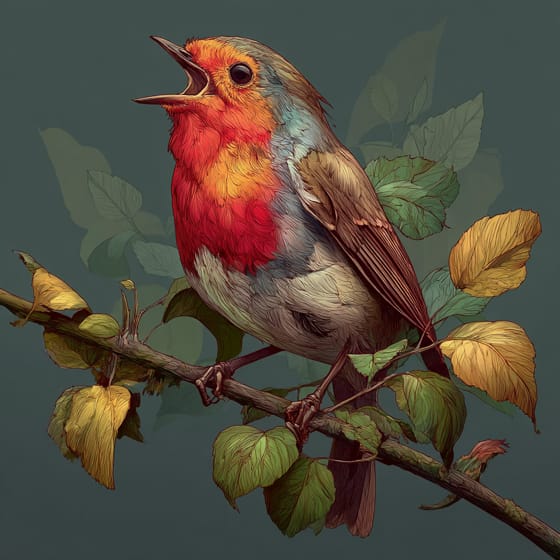
Turdus migratorius
eats the tart blue berries
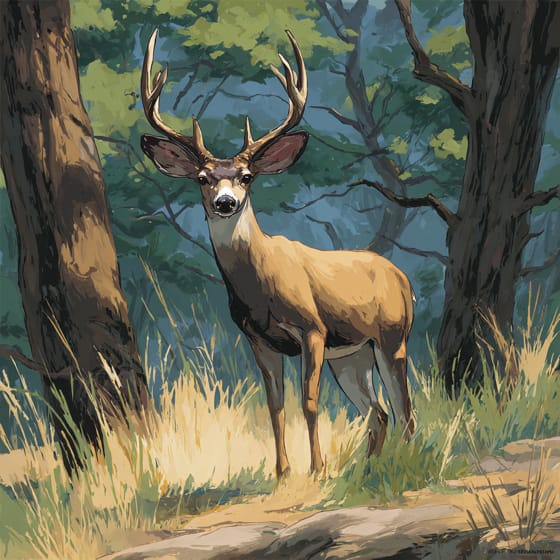
Odocoileus hemionus
browses on its leaves, especially in winter
Flowering plants are any plants that produce flowers as part of their reproductive cycle.
A shrub is a woody plant smaller than a tree, typically with multiple stems branching from or near the ground.
Evergreen plants retain their foliage throughout the year, never shedding all their leaves at once.
Fragrant flowers emit a pleasant aroma, often to attract pollinators or for defense.

Fruit-bearing plants produce fruits, which are the mature ovaries of flowering plants containing seeds.

Edible plants are those parts of a plant that are considered safe for human consumption.

Describes plants that are particularly attractive and beneficial to a wide range of pollinating organisms.

Forest habitats are terrestrial environments dominated by dense tree cover, supporting a high diversity of plant and animal life.

Describes a species whose presence and role have a disproportionately large effect on its environment.
Danger
1/5 · Very low
Do not eat the berries without asking an adult, as they can be sour!
The easiest way to identify Oregon grape is to use the Snappit nature identifier app.
60-300 cm
100-150 cm
0.5-1 cm
Spring
Yes
Mild
Perennial
Zoom in to split clusters and explore where this object has been snapped.

Oregon, US
You might spot Duck, Pacific Trillium, and Wood Duck.
View guide →

Colorado, US
You might spot Eastern Fox Squirrel, Bee, and Duck.
View guide →

Washington, US
You might spot Bigleaf Maple, Mule Deer, and Oregon Grape.
View guide →
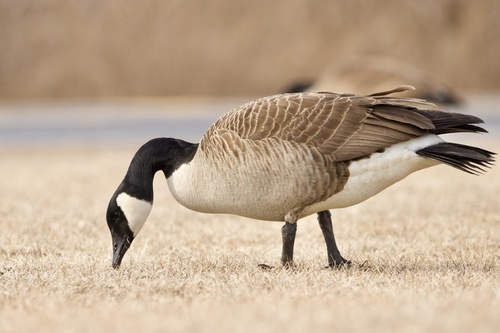
Nevada, US
You might spot Canada Goose, Antelope Bitterbrush, and Steller's Jay.
View guide →

Washington, US
You might spot Rock Pigeon, American Crow, and Olympic Gull.
View guide →

British Columbia, CA
You might spot Oregon Grape, Shinyleaf Meadowsweet, and Bush Penstemon.
View guide →
Take the discovery with you
Snap it with Snappit to identify it, learn what makes it special, and add the discovery to your collection.







.jpg&width=800)


_001.jpg&width=800)


