





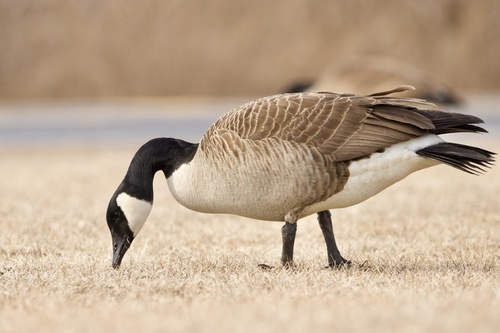
Canada Goose
Discover the pristine beauty of Lake Tahoe's surrounding national forest lands.
Discover the pristine beauty of Lake Tahoe's surrounding national forest lands. Covering over 156,000 acres, the Lake Tahoe Basin Management Unit (LTBMU) offers unparalleled access to one of America's most iconic natural wonders, the "Jewel of the Sierra." This unique national forest is dedicated to both recreation and the critical ecosystem restoration efforts that maintain Lake Tahoe's legendary clarity.
Visitors can explore a diverse array of stunning landscapes and attractions, from the vibrant turquoise waters of Emerald Bay, home to the historic Vikingsholm Castle, to the rugged, pristine wilderness of Desolation. Iconic trails like the 165-mile Tahoe Rim Trail provide breathtaking vistas, while areas like Taylor Creek offer opportunities to observe natural phenomena such as the fall Kokanee salmon run. Towering Jeffrey pines, fragrant cedar, and vibrant seasonal wildflowers create a picturesque backdrop, often accompanied by sightings of local wildlife like mule deer and various bird species.
Whether you seek thrilling outdoor adventures, peaceful contemplation amidst nature, or a chance to connect with the region's rich history, the LTBMU delivers memorable experiences. Its commitment to preserving the environment while providing extensive recreational opportunities makes it a vital and cherished destination for all who visit, leaving an indelible impression of alpine grandeur and ecological significance. Wondering what that bird or insect is? Find out on your visit using the Snappit nature app.
The Lake Tahoe Basin Management Unit (LTBMU) was officially established in 1973, though its roots as protected national forest land in the Lake Tahoe Basin stretch back much further. The conservation of these lands began in 1899 when President McKinley designated the "Lake Tahoe Forest Reserve" to safeguard the remaining forests after decades of logging fueled by the Comstock mining boom. This establishment marked the initial step in a century-long conservation process, reorganizing lands previously divided among three larger national forests. The creation of the LTBMU in 1973 specifically aimed for comprehensive watershed protection and restoration, underscoring an ecosystem-based approach to managing the forests, wildlife, soil, and recreational values as an interconnected system. The Washoe Tribe of Nevada and California also holds a 10,000-year history of environmental stewardship in the Basin, contributing their unique knowledge to restoration efforts.
Engage in activities like hiking, mountain biking, camping, backpacking, swimming, boating, kayaking, paddleboarding, and wildlife viewing. During winter, enjoy skiing and snowshoeing. Explore historic sites and scenic overlooks.
Summer brings crowds, so booking accommodations and arriving early at popular spots is advisable. The lake water remains cool even in summer.
Winter can involve road closures due to heavy snowfall.
Fall offers vibrant foliage and the unique spectacle of Kokanee salmon spawning.
Accessible restrooms are available at developed campgrounds like Fallen Leaf Campground. E-bike access is expanding on some trails, and certain trails, such as the lower part of Van Sickle Bi-State Park, are relatively easy and suitable for various mobility levels.
Marvel at the iconic turquoise waters, Fannette Island, and the historic Vikingsholm Castle.
Explore alpine lakes like Eagle Lake and Granite Lake, and embark on challenging hikes up Mt. Tallac. Permits are required for overnight visits.
Hike or bike sections of this renowned 165-mile trail for stunning panoramic views.
Learn about the local ecosystem and observe the remarkable Kokanee salmon during their fall spawning season at the Stream Profile Chamber.
Each card links to a full Explore page with photos, traits, and fun facts.
Start with the big picture, then zoom in to explore individual wildlife observations around this place.
Navigation Essentials
** Carry a topographic map and compass, as cellular service can be unreliable in many areas.
Weather Preparedness
Mountain weather can change rapidly; dress in layers and bring appropriate clothing, footwear, and equipment for sudden shifts.
Hydration and Nutrition
Always carry sufficient water and food to prevent dehydration and exhaustion, especially on longer hikes.
Pet Etiquette
If bringing a dog, ensure it is on a leash and clean up all waste to protect wildlife and maintain trail cleanliness.
Fire Safety
Wood and charcoal fires are strictly limited to metal fire rings in developed campgrounds; portable propane stoves with an on/off switch are generally allowed with a permit, but always check for current fire restrictions.
Reservations & Parking
Make reservations well in advance for popular campgrounds. Parking at popular trailheads and attractions fills up quickly, especially during summer weekends; arrive early or consider utilizing public transportation options.
May 28, 2026
Photo attribution
(c) Chas, some rights reserved (CC BY)
License: CC BY 4.0 ↗
Image may be shown cropped inside the card frame.
May 28, 2026
Photo attribution
(c) Chas, some rights reserved (CC BY)
License: CC BY 4.0 ↗
Image may be shown cropped inside the card frame.
Jun 19, 2026
Jun 13, 2026
Jun 12, 2026

Maryland, US
You might spot White-Tailed Deer and Eastern Gray Squirrel.
View guide →
.jpg)
District of Columbia, US
You might spot Eastern Gray Squirrel, Duck, and House Sparrow.
View guide →

Illinois, US
You might spot American Robin, Canada Goose, and House Sparrow.
View guide →

Virginia, US
You might spot Spotted Lanternfly and Northern Cardinal.
View guide →
Take the discovery with you
Identify the wildlife you spot, learn as you go, and keep a collection of the adventure.































.jpg&width=800)
