





Organ-Pipe Mud-Dauber Wasp
trypoxylon politum
The Organ-Pipe Mud-Dauber Wasp builds amazing tube-shaped nests out of mud! These wasps are great helpers in the garden because they catch and eat spiders.
Habitat: You can find them in gardens, fields, and near water sources.
The Organ-Pipe Mud-Dauber Wasp is a slender wasp, often iridescent blue-black or violet, with smoky-tinted wings. It has a distinctive long, thread-like 'waist' (petiole) connecting its thorax and abdomen, which sets it apart from other larger-bodied wasps.
Category
InsectsRarity
Common
Danger
1/5 · Very low
Snaps
4
Adult Organ-Pipe Mud-Daubers are gentle nectar-drinkers, acting as valuable flower pollinators.
Female wasps build each long mud 'pipe' by carefully carrying and shaping tiny mud pellets.
The paralyzed spiders they catch are not for themselves, but food for their future baby wasps!
Their amazing blue-black bodies often shimmer with metallic iridescence in bright sunlight.
Organ-Pipe Mud-Dauber Wasps can construct intricate mud nests because of their specialized mandibles and saliva, which helps them build safe nurseries.
Organ-Pipe Mud-Dauber Wasps can paralyze spiders with their venomous sting, which helps them store fresh, living food for their young.
Organ-Pipe Mud-Dauber Wasps have an iridescent blue-black body that helps them blend into shaded environments, making them harder for predators to spot.
Adults sip nectar, but their babies feast on paralyzed spiders hidden in mud nurseries.
Age differences: Adults consume nectar for energy; larvae feed exclusively on spiders provisioned by their mother.
Araneus diadematus
Main prey for larvae
Argiope aurantia
Common spider prey
Helianthus annuus
Adults feed on nectar
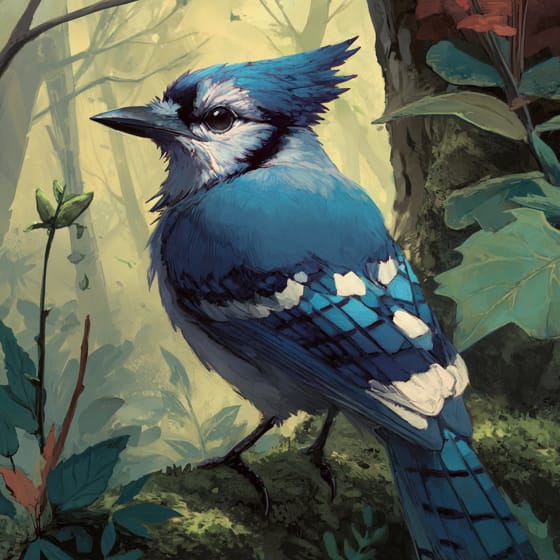
Cyanocitta cristata
Predator of adult wasps
Solitary animals live alone for most of their lives, only interacting with others for mating or parental care.
Colorful describes organisms or objects displaying a wide range of bright and distinct colors.
This trait identifies organisms whose diet consists entirely or primarily of animal tissue.
Diurnal animals are primarily active during daylight hours, typically resting or sleeping at night.

Describes organisms that transfer pollen, enabling the fertilization and reproduction of plants.
Danger
1/5 · Very low
These wasps are not dangerous and rarely sting.
The easiest way to identify Organ-Pipe Mud-Dauber Wasp is to use the Snappit nature identifier app.
25-45 mm
15-28 mm
20-30 days
20 km/h
Adults sip nectar, but their babies feast on paralyzed spiders hidden in mud nurseries.
You can find them in gardens, fields, and near water sources.
Pursuit
Zoom in to split clusters and explore where this object has been snapped.

South Carolina, US
You might spot Great Blue Heron, Spanish Moss, and Cahaba Lily.
View guide →

New York, US
You might spot Common Mugwort, Lesser Celandine, and White Snakeroot.
View guide →

Georgia, US
You might spot Broad-Winged Hawk and Common Buckeye.
View guide →

Iowa, US
You might spot White-Tailed Deer, American Bullfrog, and Cup Plant.
View guide →
Take the discovery with you
Snap it with Snappit to identify it, learn what makes it special, and add the discovery to your collection.








.jpg&width=800)



