





Ornate Mastigure
Uromastyx ornata
The Ornate Mastigure is a colorful lizard with spiky scales. It loves to bask in the sun and can be found in warm, dry places. This lizard is known for its unique look and friendly nature!
Habitat: Desert
The Ornate Mastigure has a broad, flattened body with a distinctively spiny tail. Males boast brilliant blue, green, and orange spots against a darker base, creating an incredibly vibrant, intricate pattern. This striking ornamentation makes them visually unique among desert lizards.
Category
ReptilesRarity
Common
Danger
1/5 · Very low
Snaps
Be the first to snap!
Their bright colors become even more vibrant when they are warm and basking in the sun!
These lizards often dig burrows several meters long to escape extreme temperatures!
They use their strong jaws to crack tough seeds and munch on spiky desert plants.
While young ones might eat insects, adult Ornate Mastigures are almost entirely vegetarian!
Ornate Mastigure can whip its heavy, spiny tail because it helps them fend off predators with powerful swings.
Ornate Mastigure can thrive in extreme desert heat because they have special adaptations to regulate body temperature.
Ornate Mastigure has special glands that help them conserve water by 'sneezing out' excess salt.
Mainly eats plants, munching on desert greens, flowers, and seeds for energy.
Age differences: Young mastigures may occasionally eat insects, but adults become almost exclusively herbivorous.
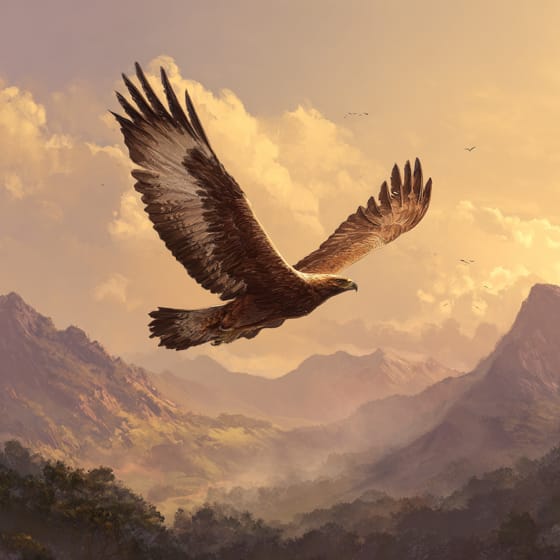
Aquila chrysaetos
A primary avian predator in its natural habitat.
Varanus griseus
A large lizard predator found in the same desert regions.
Vulpes rueppellii
A nocturnal mammal that preys on various desert reptiles.
Solitary animals live alone for most of their lives, only interacting with others for mating or parental care.
Camouflaged describes organisms that possess coloring or patterns that allow them to blend into their environment.
Colorful describes organisms or objects displaying a wide range of bright and distinct colors.
This trait characterizes organisms whose diet consists entirely or primarily of plant material.
Thermoregulating organisms maintain a stable internal body temperature despite fluctuations in the external environment.

Desert habitats are arid regions characterized by extremely low precipitation and often extreme temperatures, supporting specialized flora and fauna.

This trait characterizes organisms with an exceptionally long lifespan compared to others of their kind.

Possessing sharp, pointed projections or spines on the body or surface.

Diurnal animals are primarily active during daylight hours, typically resting or sleeping at night.
No aliases listed yet.
Danger
1/5 · Very low
Always watch from a distance and never try to catch a lizard. They are best left in their homes!
The easiest way to identify Ornate Mastigure is to use the Snappit nature identifier app.
28-36 cm
0.2-0.4 kg
15-25 years
20 km/h
Mainly eats plants, munching on desert greens, flowers, and seeds for energy.
Desert
Foraging
Zoom in to split clusters and explore where this object has been snapped.
Recent snaps will appear here as new observations are added.
Take the discovery with you
Snap it with Snappit to identify it, learn what makes it special, and add the discovery to your collection.












