_Cerceris_rybyensis_dorsal_view_on_Tordylium_maximum.jpg&width=800)





Ornate-tailed Digger Wasp
Cerceris rybyensis
The Ornate-tailed Digger Wasp is a special insect that digs tunnels in the ground. It has a beautiful tail that looks like it's wearing a fancy coat!
Habitat: Grasslands
The Ornate-tailed Digger Wasp has a stout body with striking bright yellow and black bands across its abdomen. Its face is often yellowish, and its 'ornate tail' features distinct patterns, making it easily recognizable from other wasps.
Category
InsectsRarity
Common
Danger
2/5 · Low
Snaps
Be the first to snap!
Adult wasps drink nectar, but their kids only eat paralyzed insects.
Each baby wasp gets its own special underground pantry of paralyzed food.
They build complex tunnels that can be over a meter long!
This wasp is nicknamed "bee-wolf" because it expertly hunts bees!
Ornate-tailed Digger Wasp can dig intricate underground tunnels because of its powerful legs, creating safe nurseries for its young.
Ornate-tailed Digger Wasp can deliver a paralyzing sting that helps them subdue prey like bees without killing them instantly.
Ornate-tailed Digger Wasp can remember complex routes because of its excellent spatial memory, always finding its hidden burrow.
Adults sip nectar from flowers, but their larvae munch on paralyzed bees stored in underground nests.
Age differences: Adults feed on nectar; larvae consume paralyzed insects.
Lasioglossum calceatum
Main prey for larvae.
Halictus tumulorum
Also a primary food source.
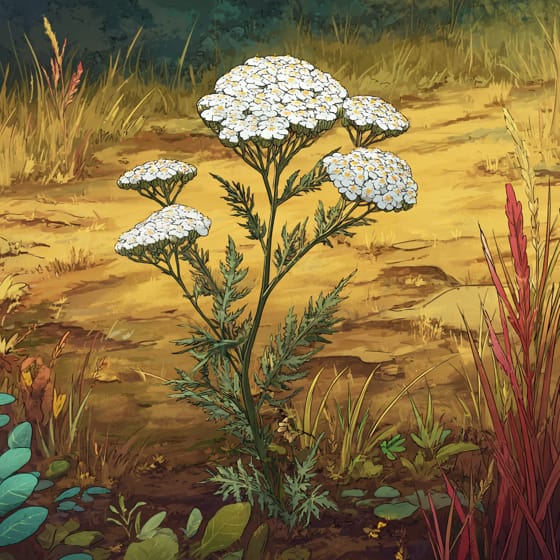
Achillea millefolium
Adults feed on nectar.
Hedychrum rutilans
Lays eggs in their nests.
Solitary animals live alone for most of their lives, only interacting with others for mating or parental care.
Burrowing animals dig tunnels and chambers in the ground, using these subterranean structures for shelter, hunting, or breeding.
Colorful describes organisms or objects displaying a wide range of bright and distinct colors.
Grassland habitats are terrestrial biomes dominated by grasses and herbaceous plants, supporting a variety of grazing animals.

This trait identifies organisms whose diet primarily consists of insects and other small invertebrates.

Describes organisms that transfer pollen, enabling the fertilization and reproduction of plants.
No aliases listed yet.
Danger
2/5 · Low
If you see a wasp, just watch it from a distance. They are usually friendly and won't bother you.
The easiest way to identify Ornate-tailed Digger Wasp is to use the Snappit nature identifier app.
12-32 mm
8-16 mm
20-40 days
15 km/h
Adults sip nectar from flowers, but their larvae munch on paralyzed bees stored in underground nests.
Grasslands
Pursuit
Zoom in to split clusters and explore where this object has been snapped.
Recent snaps will appear here as new observations are added.
Take the discovery with you
Snap it with Snappit to identify it, learn what makes it special, and add the discovery to your collection.








.jpg&width=800)



