





Ouachita Map Turtle
Graptemys ouachitensis
The Ouachita Map Turtle is a special turtle with beautiful patterns on its shell that look like a map! They love to bask in the sun on rocks and are often found in rivers and lakes.
Habitat: Freshwater rivers and lakes
The Ouachita Map Turtle has a distinctive olive to brown shell with yellow, maze-like lines that resemble a map. It also features a prominent, irregular yellow or orange blotch behind each eye. Its shell often has a noticeable ridge down the center.
Category
ReptilesRarity
Common
Danger
1/5 · Very low
Snaps
1
Baby turtles have extra spikes on their shell to look scary to predators!
Male Ouachita Map Turtles are often half the size of females!
These turtles eat lots of algae, helping to keep river water clean for everyone!
They use their strong claws to climb onto logs and sun themselves for hours!
Ouachita Map Turtle can retreat quickly into its hard, protective shell that helps them hide from danger.
Ouachita Map Turtle can see clearly underwater because of specialized eyes that help them spot food and predators.
Ouachita Map Turtle can lie motionless to wait for food because its patient nature helps them ambush small critters.
Ouachita Map Turtle can warm up in the sun because its cold-blooded nature helps them control body temperature.
These turtles primarily munch on plants and insects, but also enjoy snails and small fish!
Age differences: Young turtles eat more insects and small critters, while adults prefer plants and algae.
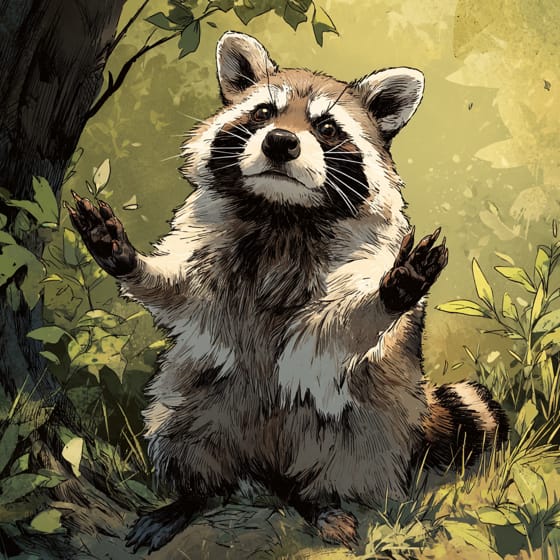
Procyon lotor
Raids nests for eggs and preys on young turtles.
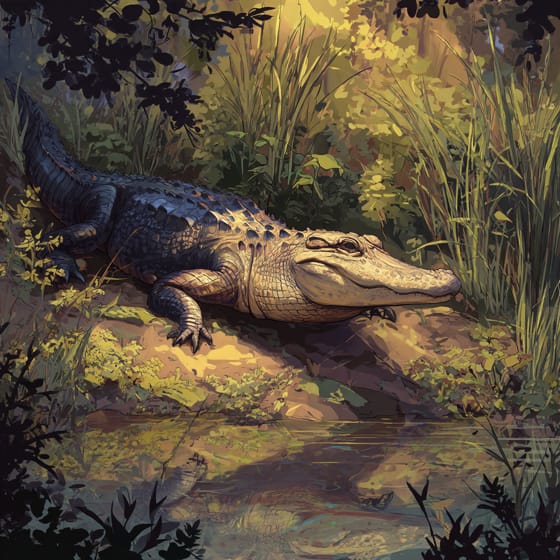
Alligator mississippiensis
Predator of larger turtles in shared habitats.
Physa acuta
Actively consumes these small aquatic snails.
Ceratophyllum demersum
Grazes on this common submerged aquatic plant.
Marked with spots or patches of a different color.
Solitary animals live alone for most of their lives, only interacting with others for mating or parental care.
Colorful describes organisms or objects displaying a wide range of bright and distinct colors.
Piscivorous organisms are animals that primarily subsist on a diet of fish.

Diurnal animals are primarily active during daylight hours, typically resting or sleeping at night.

Freshwater habitats include non-saline aquatic environments such as rivers, lakes, ponds, and wetlands, vital for numerous species.

Describes a species whose presence and role have a disproportionately large effect on its environment.

Endangered status indicates a species is at a very high risk of extinction in the wild in the near future.
No aliases listed yet.
Danger
1/5 · Very low
Always watch turtles from a distance and never try to pick them up without asking an adult.
The easiest way to identify Ouachita Map Turtle is to use the Snappit nature identifier app.
10-25 cm
0.2-1.5 kg
15-25 years
1 km/h
These turtles primarily munch on plants and insects, but also enjoy snails and small fish!
4 km/h
Freshwater rivers and lakes
Zoom in to split clusters and explore where this object has been snapped.

Alabama, US
You might spot Duck, Canada Goose, and Pinkladies.
View guide →

Tennessee, US
You might spot American Coot, Crane-Fly Orchid, and Pied-Billed Grebe.
View guide →

Alabama, US
You might spot Duck, Canada Goose, and Virginia Springbeauty.
View guide →
Take the discovery with you
Snap it with Snappit to identify it, learn what makes it special, and add the discovery to your collection.














