_(6-22-10)_canet_rd%2C_morro_bay%2C_slo_co%2CCA_-1_(4747274015).jpg&width=800)





Southern Alligator Lizard
Elgaria multicarinata
The Southern Alligator Lizard is a fun little reptile that loves to bask in the sun. With its long body and cool scales, it can often be found in gardens or under rocks.
Habitat: Urban areas
The Southern Alligator Lizard has a long, slender body with short legs and a long tail. Its overlapping, keeled scales are typically brown, grey, or olive, often with darker crossbands. A distinct fold of skin runs along each side of its body, and its belly is usually pale yellow.
Category
ReptilesRarity
Common
Danger
1/5 · Very low
Snaps
14
Despite their name, Southern Alligator Lizards are not related to alligators at all!
Some females can store sperm for months to fertilize eggs later, how cool is that?
These lizards can live in gardens, helping control pests like slugs and snails!
They can 'play dead' when threatened, lying still until danger passes, wow!
Southern Alligator Lizard can drop its wiggling tail to distract predators, which helps them make a quick getaway!
Southern Alligator Lizard has a unique skin fold along its sides that helps them expand to eat larger meals or carry eggs.
Southern Alligator Lizard has strong jaws that help them crush exoskeletons of insects and hold onto squirming prey.
Southern Alligator Lizard can climb well using sharp claws and scaly skin, which helps them scale trees and rocks for hunting.
These carnivorous lizards eat a variety of insects, spiders, and even small rodents or other lizards.
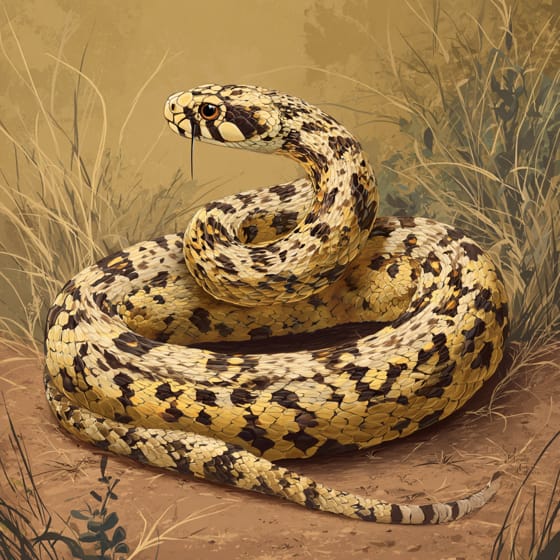
Pituophis catenifer
Snakes hunt these lizards for a meal.
Gryllus bimaculatus
The lizard actively preys on many types of insects.

Helix aspersa
A common garden pest that these lizards enjoy eating.
Arboreal animals live primarily in trees, utilizing them for shelter, food, and protection from predators.
Camouflaged describes organisms that possess coloring or patterns that allow them to blend into their environment.
This trait identifies organisms whose diet primarily consists of insects and other small invertebrates.
This trait identifies organisms whose diet consists entirely or primarily of animal tissue.

Diurnal animals are primarily active during daylight hours, typically resting or sleeping at night.

Regenerative organisms possess the ability to regrow lost or damaged body parts, tissues, or organs.

This habitat trait indicates species that can coexist with humans in urban and suburban environments, utilizing man-made structures and green spaces.
No aliases listed yet.
Danger
1/5 · Very low
If you see one, watch it from a distance and don't try to touch it.
The easiest way to identify Southern Alligator Lizard is to use the Snappit nature identifier app.
15-50 cm
0.01-0.1 kg
5-10 years
10 km/h
These carnivorous lizards eat a variety of insects, spiders, and even small rodents or other lizards.
Urban areas
Ambush
Zoom in to split clusters and explore where this object has been snapped.

California, US
You might spot Warrior's Plume and Purple Owl's-Clover.
View guide →

California, US
You might spot Western Fence Lizard, Duck, and Canada Goose.
View guide →

California, US
You might spot Western Fence Lizard and California Poppy.
View guide →

California, US
You might spot Western Fence Lizard and Canyon Sunflower.
View guide →

California, US
You might spot African Lion, Red Panda, and Giraffes.
View guide →

California, US
You might spot Western Fence Lizard, Bee, and House Finch.
View guide →
Take the discovery with you
Snap it with Snappit to identify it, learn what makes it special, and add the discovery to your collection.













