




Crocodilians
Crocodylia
Crocodilians are large reptiles that live in water and on land. They have strong jaws and can be found basking in the sun or swimming in rivers and lakes.
Habitat: Wetlands
The Crocodilians has a large, flattened body covered in tough, scaly, often drab green, brown, or gray skin. They possess a long, powerful tail, short legs, and prominent eyes and nostrils on top of their elongated snout, which helps them see and breathe while mostly submerged.
Category
ReptilesRarity
Common
Danger
5/5 · Extreme
Snaps
Be the first to snap!
A crocodilian's bite is one of the strongest in the entire animal kingdom, stronger than a T-Rex's!
Crocodilians swallow stones, called gastroliths, to help them digest food and dive deeper!
The temperature of the nest decides if baby crocodilians hatch as a male or female!
These amazing reptiles have existed for over 200 million years, since the time of dinosaurs!
Crocodilians have incredibly powerful jaws because of their unique muscle structure that helps them crush bone and hold prey tight.
Crocodilians can see clearly underwater because of a transparent third eyelid (nictitating membrane) that protects their eyes.
Crocodilians can open their mouths underwater without drowning because a special flap (palatal valve) seals their throat.
Crocodilians have excellent natural camouflage because their skin blends perfectly with muddy waters and riverbanks.
Carnivorous predators that eat a wide range of animals, often ambushing their prey.
Age differences: Young crocodilians typically start with insects and small fish, while adults hunt larger prey like mammals and birds.
Crocodylus niloticus
Actively preys on large mammals such as wildebeest.
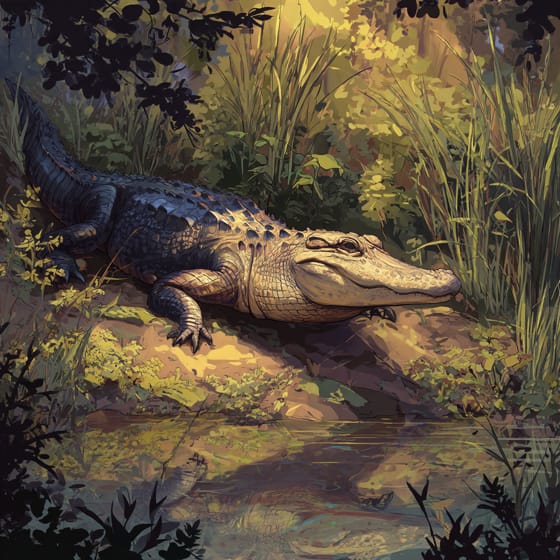
Alligator mississippiensis
Creates 'gator holes' providing crucial habitat for other wildlife.
Bubalus bubalis
Feral populations in Australia are a food source for Saltwater Crocodiles.
_fem%2C_oso_flaco%2C_sloco%2C_ca_oso_(1)_(8718083235).jpg&width=800)
Oxyura jamaicensis
A common prey item for various crocodilian species in wetlands.
Solitary animals live alone for most of their lives, only interacting with others for mating or parental care.
Thermoregulating organisms maintain a stable internal body temperature despite fluctuations in the external environment.
An ambush predator hunts by patiently waiting and concealing itself, then launching a sudden attack when unsuspecting prey comes within range.
This habitat trait identifies species found in wetlands, which are areas of land saturated with water, either permanently or seasonally, including marshes, swamps, and bogs.

Armored describes animals protected by a hard, external covering or shell for defense.

This trait identifies organisms whose diet consists entirely or primarily of animal tissue.

Describes a species whose presence and role have a disproportionately large effect on its environment.

This trait identifies organisms that exhibit exceptional swiftness in movement for hunting, escape, or travel.

Aquatic habitats encompass environments where organisms live predominantly in water, including oceans, rivers, lakes, and wetlands.

Endangered status indicates a species is at a very high risk of extinction in the wild in the near future.
Danger
5/5 · Extreme
Always stay away from water where crocodilians might be. They can be very dangerous.
The easiest way to identify Crocodilians is to use the Snappit nature identifier app.
150-700 cm
20-1000 kg
30-100 years
17 km/h
Carnivorous predators that eat a wide range of animals, often ambushing their prey.
35 km/h
Wetlands
Zoom in to split clusters and explore where this object has been snapped.
Recent snaps will appear here as new observations are added.

New York, US
You might spot Giraffes, Kangaroos, Wallabies and Allies, and Capybara.
View guide →

US
You might spot Nurse Shark, Sea Turtle, and Cownose Ray.
View guide →
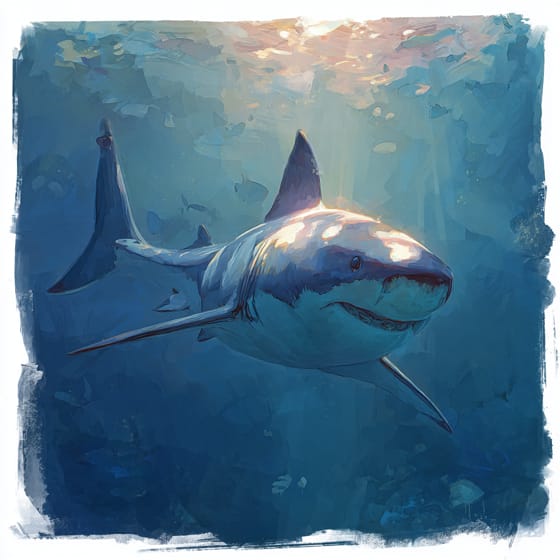
Nebraska, US
You might spot Great White Shark, Penguin, and Sea Lion.
View guide →
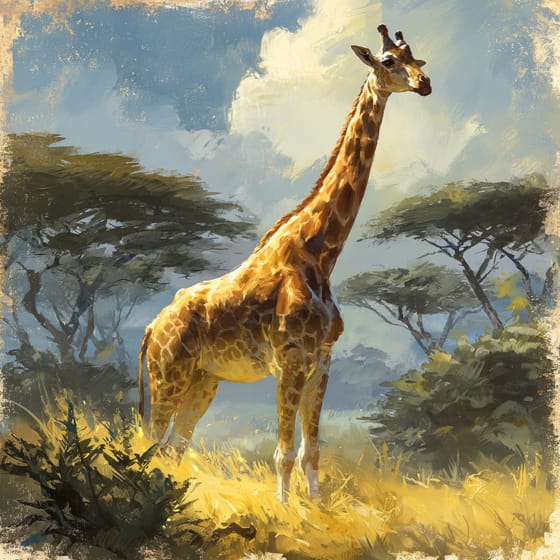
Alabama, US
You might spot Giraffes, Delonix, and Linnaeus's Two-Toed Sloth.
View guide →

Louisiana, US
You might spot Snapping Turtle and Crocodilians.
View guide →
Florida, US
You might spot Crocodilians, Komodo Dragon, and Red Ruffed Lemur.
View guide →
Take the discovery with you
Snap it with Snappit to identify it, learn what makes it special, and add the discovery to your collection.















