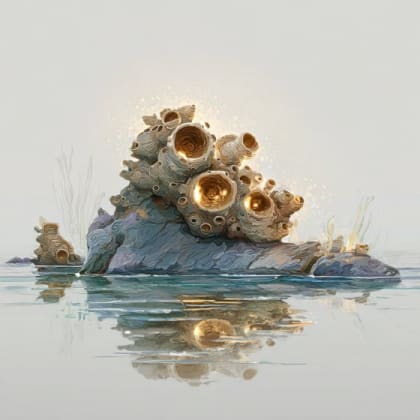
Pacifastacus
pacifastacus
The Pacifastacus is a fascinating freshwater crab that loves to explore its watery home! These little creatures are great at hiding among rocks and plants, making them fun to spot!
Habitat: Freshwater rivers and streams
The Pacifastacus, also known as a Signal Crayfish, has a brownish to reddish-brown hard shell. It features smooth claws, often with a distinctive white to pale blue-white patch at the claw hinge, setting it apart from other crayfish.
Category
InvertebrateRarity
Common
Danger
1/5 · Very low
Snaps
Be the first to snap!
A crayfish sheds its entire hard shell to grow bigger, like taking off tight armor!
Some crayfish can slightly change their color to blend in better with their surroundings.
Their long antennae are like super-sensitive feelers for sniffing out food and friends.
They can swim backward super fast by flapping their tail, quickly escaping from danger!
Pacifastacus can regrow lost claws or legs because of their amazing healing abilities, helping them recover from injury.
Pacifastacus has strong, large claws that help them catch small prey and effectively defend themselves from predators.
Pacifastacus has sensitive antennae that help them detect vibrations and chemicals in the water, finding food and avoiding danger.
Pacifastacus can see well in low light, making them excellent nocturnal foragers and allowing them to hide during the day.
These omnivores munch on aquatic plants, dead matter, and tiny water creatures.

Procyon lotor
Raccoons feast on crayfish found near stream banks.
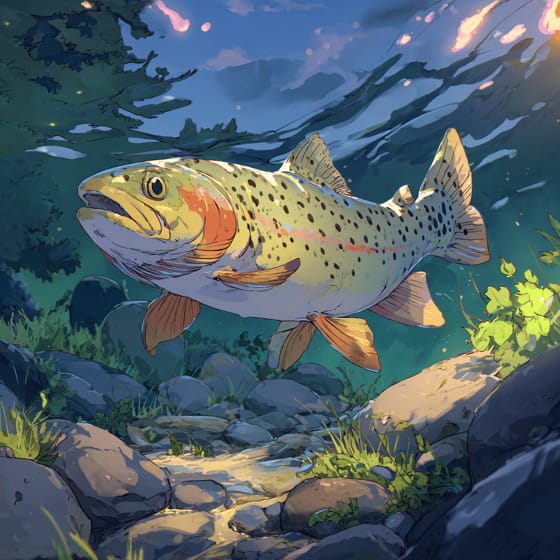
Oncorhynchus mykiss
Young crayfish are a favorite meal for trout in rivers.

Lontra canadensis
Otters are skilled hunters that frequently catch crayfish.
Baetis rhodani
Crayfish consume mayfly nymphs found on stream beds.
Solitary animals live alone for most of their lives, only interacting with others for mating or parental care.
Colorful describes organisms or objects displaying a wide range of bright and distinct colors.
Describes organisms that break down dead organic material, recycling nutrients back into the ecosystem.
This trait identifies organisms whose diet consists entirely or primarily of animal tissue.

Aquatic habitats encompass environments where organisms live predominantly in water, including oceans, rivers, lakes, and wetlands.
Danger
1/5 · Very low
No special safety notes yet.
The easiest way to identify Pacifastacus is to use the Snappit nature identifier app.
15 cm
50 g
4 years
These omnivores munch on aquatic plants, dead matter, and tiny water creatures.
Freshwater rivers and streams
Foraging
Zoom in to split clusters and explore where this object has been snapped.
Recent snaps will appear here as new observations are added.
Take the discovery with you
Snap it with Snappit to identify it, learn what makes it special, and add the discovery to your collection.