Pacific Golden Chanterelle
cantharellus formosus
The Pacific Golden Chanterelle is a beautiful mushroom that grows in the forest. Its bright yellow color and unique shape make it a fun find for little explorers!
Habitat: Pacific Golden Chanterelles thrive in damp forests, often near coniferous trees.
The Pacific Golden Chanterelle has a vibrant golden-yellow to orange cap with wavy, irregular edges and a trumpet-like shape. Its distinguishing feature is blunt, vein-like folds running down the stem, not true gills. The firm flesh inside is pale yellowish.
Category
FungiRarity
Common
Danger
1/5 · Very low
Snaps
Be the first to snap!
It can live for many years underground, sending up new mushrooms annually!
Its 'gills' are actually blunt, wrinkled folds, not true blade-like gills!
The name 'chanterelle' comes from a Greek word meaning 'little cup' or 'goblet'!
This mushroom cannot be easily grown on farms; it prefers wild forests!
Pacific Golden Chanterelle has a 'Root Whisperer' ability that helps trees get water and nutrients from the soil, in exchange for sugars!
Pacific Golden Chanterelle can use its 'Scent Signal' power to release a yummy apricot-like smell, guiding animals and humans to its location!
Pacific Golden Chanterelle has a 'Forest Camouflage' ability that helps it hide amongst fallen leaves, protecting it from hungry foragers!
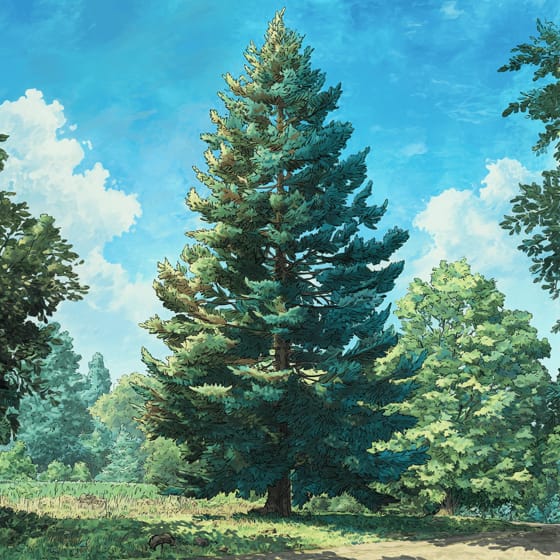
Pseudotsuga menziesii
Forms a vital underground partnership with its roots.
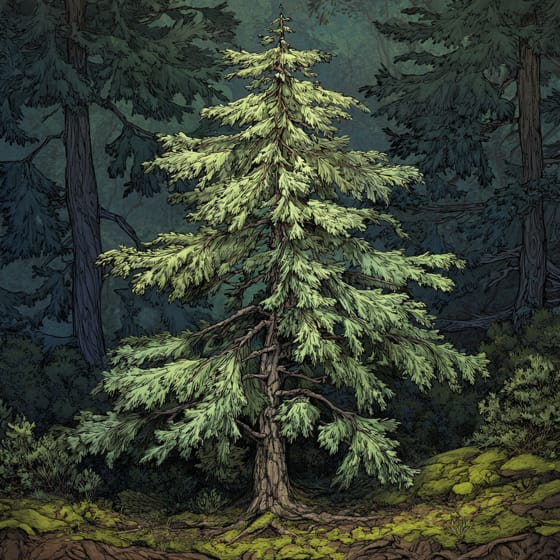
Tsuga heterophylla
Exchanges nutrients and water with this tree.

Quercus agrifolia
Shares resources through its root network.
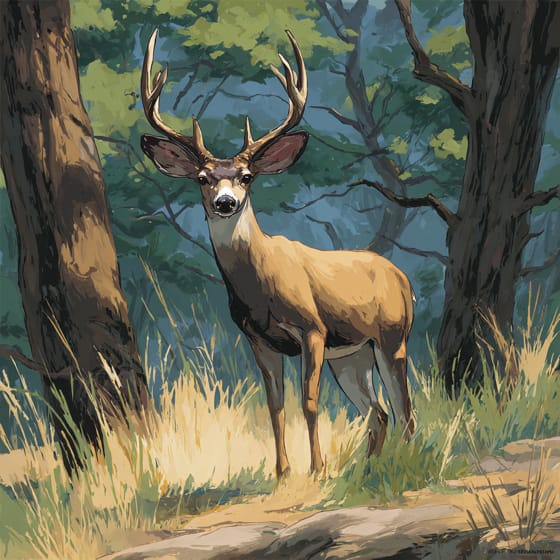
Odocoileus hemionus
Deer sometimes forage for these tasty mushrooms.
Solitary animals live alone for most of their lives, only interacting with others for mating or parental care.
Colorful describes organisms or objects displaying a wide range of bright and distinct colors.
Describes organisms that break down dead organic material, recycling nutrients back into the ecosystem.
Forest habitats are terrestrial environments dominated by dense tree cover, supporting a high diversity of plant and animal life.

Diurnal animals are primarily active during daylight hours, typically resting or sleeping at night.
Danger
1/5 · Very low
Always ask an adult before touching or picking wild mushrooms.
The easiest way to identify Pacific Golden Chanterelle is to use the Snappit nature identifier app.
5-12 cm
edible
3-10 cm
Pacific Golden Chanterelles thrive in damp forests, often near coniferous trees.
soil
Late summer to fall, sometimes early winter
Cream to pale yellowish
Zoom in to split clusters and explore where this object has been snapped.
Recent snaps will appear here as new observations are added.
Take the discovery with you
Snap it with Snappit to identify it, learn what makes it special, and add the discovery to your collection.