.jpg&width=800)





Cracked Cap Polypore
fulvifomes robiniae
The Cracked Cap Polypore is a fascinating fungus that grows on trees! Its unique cracked cap looks like it's wearing a cool hat!
Habitat: It typically lives on decaying hardwood trees in forests.
The Cracked Cap Polypore is a woody, hoof-shaped fungus with a distinctive dark brown to black cap margin and an orange-brown pore surface. Its upper surface is often deeply cracked and zoned, making it visually distinct from smoother polypores on similar trees.
Category
FungiRarity
Common
Danger
1/5 · Very low
Snaps
3
It can live for many years, growing new layers each season like tree rings!
Its super tough body makes it one of the hardest fungi in the forest!
Look closely for tiny holes on its underside where millions of spores are released!
This mushroom makes its home on a special tree called the Black Locust!
Cracked Cap Polypore can break down dead hardwood because it has powerful enzymes that help them return nutrients to the soil.
Cracked Cap Polypore has a deeply cracked cap that helps them release spores and endure dry conditions over years.
Cracked Cap Polypore has a very hard, woody texture that helps them resist pests and survive long on tree trunks.

Robinia pseudoacacia
Causes heart rot in its favorite host tree.
Cis boleti
Feeds on woody fruiting bodies of polypore fungi.
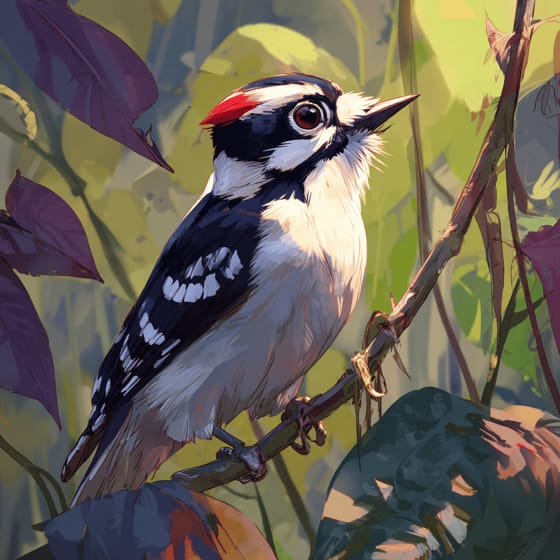
Picoides pubescens
Woodpeckers find insects in the weakened, rotting wood.
Solitary animals live alone for most of their lives, only interacting with others for mating or parental care.
Arboreal animals live primarily in trees, utilizing them for shelter, food, and protection from predators.
Colorful describes organisms or objects displaying a wide range of bright and distinct colors.
Describes organisms that break down dead organic material, recycling nutrients back into the ecosystem.

Forest habitats are terrestrial environments dominated by dense tree cover, supporting a high diversity of plant and animal life.
Danger
1/5 · Very low
No special safety notes yet.
The easiest way to identify Cracked Cap Polypore is to use the Snappit nature identifier app.
3-10 cm
inedible
10-30 cm
It typically lives on decaying hardwood trees in forests.
wood
Year-round, but active in summer/fall
Brown
Zoom in to split clusters and explore where this object has been snapped.

New Jersey, US
You might spot Duck, Canada Goose, and Red-Winged Blackbird.
View guide →
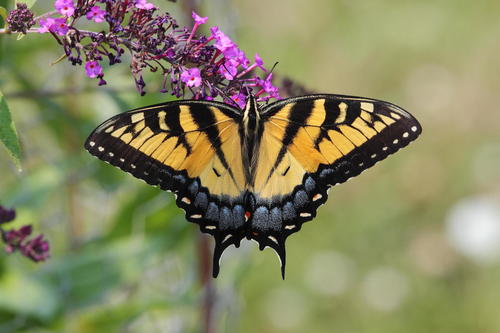
Pennsylvania, US
You might spot Eastern Tiger Swallowtail, Eastern Bluebird, and Monarch.
View guide →

New York, US
You might spot White Snakeroot and Common Milkweed.
View guide →
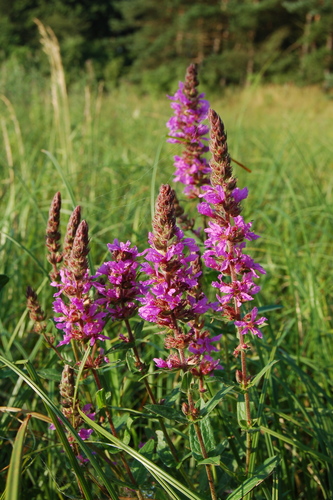
Virginia, US
You might spot Purple Loosestrife, Haircap Mosses, and Magnolias.
View guide →
Take the discovery with you
Snap it with Snappit to identify it, learn what makes it special, and add the discovery to your collection.