Pacific Lion'S Mane Jelly
cyanea ferruginea
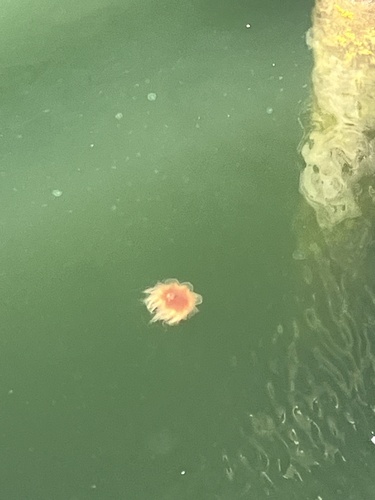
The Pacific Lion's Mane Jelly is a beautiful jellyfish with long, flowing tentacles that look like a lion's mane! It floats gracefully in the ocean and can be found in warm waters.
Habitat: They live in the warm waters of the Pacific Ocean, often near coastal areas.
The Pacific Lion'S Mane Jelly has a large, flattened bell, usually reddish-brown, yellow, or orange. Its bell is divided into eight distinct lobes. It is visually striking due to its dense, flowing curtain of extremely long, fine tentacles beneath the bell.
Category
InvertebrateRarity
Common
Danger
3/5 · Moderate
Snaps
6
Its long tentacles can stretch longer than a blue whale, making it one of the longest animals!
Lion's Mane Jellies have no brain, heart, or blood, yet they are skilled hunters!
Smaller fish often hide safely amongst its stinging tentacles, using them for protection!
These amazing creatures are 95% water, like a living ocean blob!
Pacific Lion'S Mane Jelly has stinging cells (nematocysts) on its tentacles that help them catch prey and defend against predators.
Pacific Lion'S Mane Jelly can glow in the dark (bioluminesce) because of special proteins in their cells.
Pacific Lion'S Mane Jelly can propel itself through water by rhythmically pulsing its bell, which helps them move and encounter food.
They float through the ocean, catching tiny creatures with their long, sticky, stinging tentacles.
Mola mola
Sunfish are known predators of jellyfish.
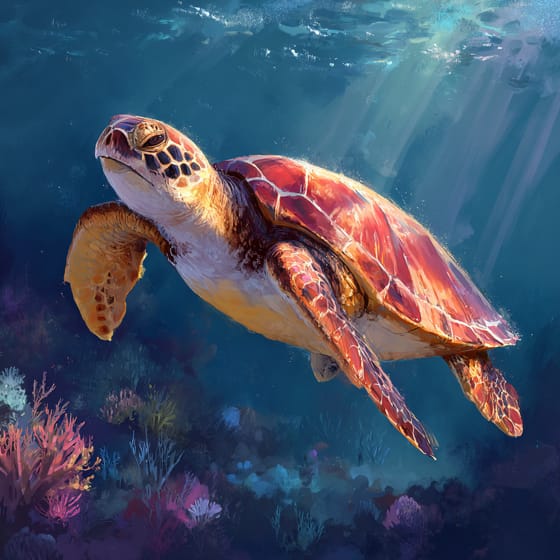
Caretta caretta
Sea turtles eat these jellies without getting stung.
Engraulis mordax
Actively captures small fish with its venomous tentacles.
Solitary animals live alone for most of their lives, only interacting with others for mating or parental care.
Colorful describes organisms or objects displaying a wide range of bright and distinct colors.
Filter feeders obtain nutrients by straining suspended food particles and small organisms from water.
Aquatic habitats encompass environments where organisms live predominantly in water, including oceans, rivers, lakes, and wetlands.

Marine habitats encompass all saltwater environments of the Earth's oceans, supporting an immense diversity of aquatic life.
Danger
3/5 · Moderate
Always observe jellyfish from a safe distance as they can sting.
The easiest way to identify Pacific Lion'S Mane Jelly is to use the Snappit nature identifier app.
70 cm
15 kg
0.75 years
They float through the ocean, catching tiny creatures with their long, sticky, stinging tentacles.
They live in the warm waters of the Pacific Ocean, often near coastal areas.
Ambush
Zoom in to split clusters and explore where this object has been snapped.
Jun 16, 2026
Saxman Totem ParkPhoto attribution
no rights reserved
License: CC0 1.0 ↗
Image may be shown cropped inside the card frame.

Alaska, US
You might spot Bald Eagle, Salmonberry, and Ochre Sea Star.
View guide →
Washington, US
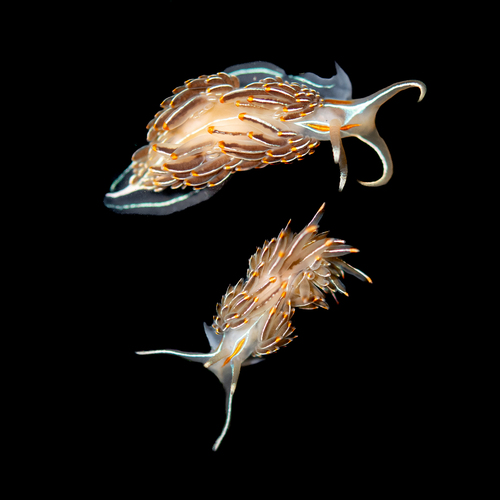
You might spot Horned Nudibranch and Madrone Skin Miner.
View guide →

US
You might spot Brown Bear, Double-Crested Cormorant, and Bald Eagle.
View guide →
British Columbia, CA
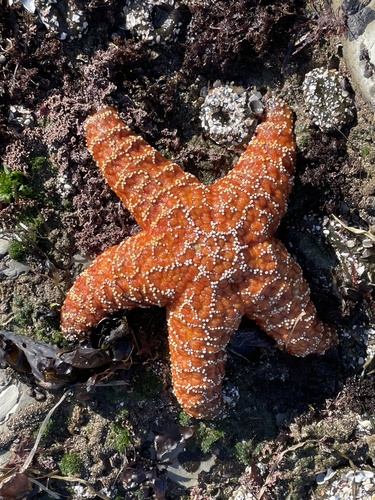
You might spot Ochre Sea Star, Fringe Cups, and Moonglow Anemone.
View guide →
Washington, US
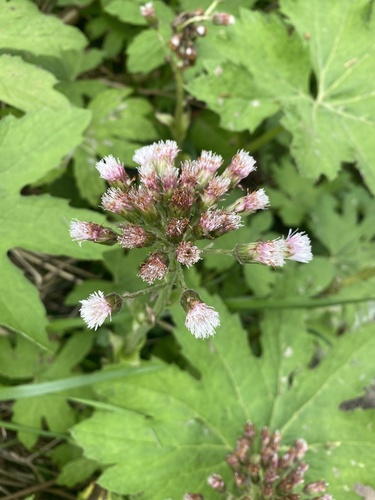
You might spot Arctic Butterbur, Red Valerian, and American Brooklime.
View guide →
Take the discovery with you
Snap it with Snappit to identify it, learn what makes it special, and add the discovery to your collection.