Great Blue Heron
East Park in Kitsap County, Washington, beckons as a vibrant and accessible natural sanctuary, offering a captivating escape into the Pacific Northwest's diverse ecosystems.
East Park in Kitsap County, Washington, beckons as a vibrant and accessible natural sanctuary, offering a captivating escape into the Pacific Northwest's diverse ecosystems. This family-friendly paradise provides free admission, inviting visitors to immerse themselves in stunning landscapes where forest meets saltwater. With a rich tapestry of hiking trails and a remarkable array of wildlife, East Park stands out as a prime destination for nature lovers and adventurers alike. The park's commitment to preserving its natural beauty ensures a tranquil and enriching experience for everyone who walks its paths.
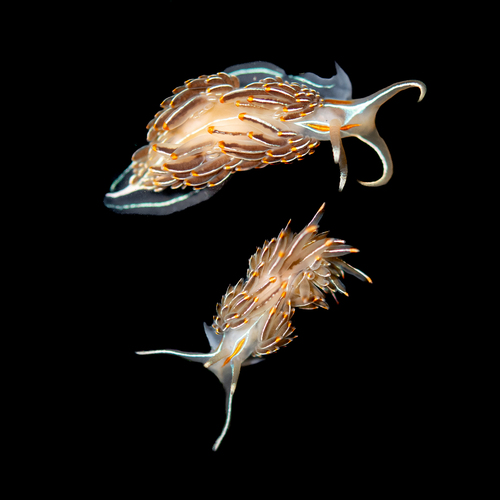
The park boasts a fascinating blend of habitats, from lush terrestrial forests to dynamic marine shorelines, supporting an extraordinary variety of plant and animal life. Along its coastal stretches, tide pool explorers might marvel at the vibrant colors of the Horned Nudibranch, Giant Nudibranch, and Shag-rug Nudibranch, alongside the graceful movements of Plumose Anemone and Giant Plumose Anemone. Overhead and along the waters, keen observers can spot Pelagic Cormorants, Glaucous-winged Gulls, and Great Blue Herons, showcasing the park's thriving avian population. The forests are home to magnificent Pacific madrone and Douglas-fir trees, while terrestrial creatures like Mule Deer and Eastern Gray Squirrels are common sights, making every visit a discovery.
East Park is truly memorable for its blend of accessibility and untamed beauty. It offers a unique opportunity to connect with nature without venturing far from civilization, making it an ideal spot for a quick retreat or a day-long exploration. The chance to witness diverse wildlife, from delicate sea slugs to majestic raptors, and traverse varied terrain from forest paths to rocky shores, ensures a rich and fulfilling experience that encourages a deeper appreciation for the Pacific Northwest's natural heritage. Whether seeking serene contemplation or active adventure, East Park provides an unparalleled setting for creating lasting memories. Planning to visit? Download the Snappit app to identify the wildlife you spot in real-time.
While specific historical records for a large natural preserve explicitly named "East Park" in Kitsap County are not readily available through general searches (the name often refers to smaller urban parks or development areas in Bremerton), the Kitsap Peninsula itself boasts a profound natural and cultural history that likely shaped the landscapes now encompassing places like East Park. The region was carved by immense glaciers during the last Ice Age, leaving behind a labyrinth of waterways, coves, and inlets that define its stunning coastline. For thousands of years, these lands and waters were the ancestral territories of Coast Salish Indigenous peoples, including the Suquamish and S'Klallam tribes, who thrived on the abundant natural resources of the area. In the late 19th and early 20th centuries, as European settlers arrived, much of the Kitsap Peninsula's natural landscape was impacted by logging and other industries. However, local communities and conservation efforts have, over time, worked to preserve significant natural areas. Many of Kitsap County's parks and nature reserves today are the result of dedicated efforts to protect forests, shorelines, and critical wildlife habitats for future generations, transforming areas that may have once been private estates or vulnerable to development into public sanctuaries for nature and recreation. East Park, reflecting this rich legacy, stands as a testament to the ongoing commitment to conservation within the Kitsap Peninsula.
Hiking: Explore a network of trails suitable for various skill levels, winding through lush forests and leading to scenic viewpoints and saltwater access points.
Wildlife Viewing: Keep an eye out for terrestrial animals such as Mule Deer and Eastern Gray Squirrels, and a wide array of birdlife including Pelagic Cormorants, Glaucous-winged Gulls, and Great Blue Herons.
Marine Exploration: At low tide, discover the fascinating world of the intertidal zone, home to the Horned Nudibranch, Giant Nudibranch, Plumose Anemone, and other captivating marine invertebrates.
Photography: Capture the park's scenic beauty and diverse wildlife.
Spring: Witness an explosion of wildflowers and increased bird activity, including migratory species.
Summer: Ideal for marine activities like tide pooling and enjoying the warmer weather on trails. Expect to see Great Blue Herons foraging.
Fall: Enjoy vibrant autumn foliage and the passage of migratory birds.
Winter: Offers a quieter, serene experience, with opportunities to observe resident bird species and the hardy Pacific madrone with its distinctive red bark.
While detailed information for a specific "East Park" with a natural, extensive trail system isn't readily available, many larger Kitsap County parks strive for some level of accessibility. Expect a mix of paved and unpaved trails. Some major parks in the region offer ADA-compliant trails, but natural reserves often feature rugged, unpaved paths. Facilities like restrooms may be available in some areas.
The varied ecosystems, from mature forests featuring Pacific madrone and Douglas-fir to the marine intertidal zones, are major highlights. The opportunity to observe diverse species like the colorful nudibranchs in tide pools, or various seabirds and raptors along the shore, provides continuous points of interest.
Each card links to a full Explore page with photos, traits, and fun facts.
Start with the big picture, then zoom in to explore individual wildlife observations around this place.
Check Tide Charts
For the best marine life viewing, plan your visit during low tide to explore the intertidal zones.
Wear Appropriate Footwear
Trails can be varied, from packed earth to potentially muddy or rocky sections, especially near the shoreline.
Bring Binoculars
Enhance your wildlife viewing experience, particularly for spotting distant birds and other animals.
Practice Leave No Trace
Help preserve the park's natural beauty by staying on marked trails, packing out all trash, and refraining from disturbing wildlife or plants.
Visit During Off-Peak Hours
Early mornings or late afternoons often provide a more serene experience and better opportunities for wildlife encounters.
Carry Water and Snacks
While the park offers natural immersion, facilities may be limited, so come prepared.
Recent snaps will appear here as new observations are added.

Maryland, US
You might spot White-Tailed Deer and Eastern Gray Squirrel.
View guide →
.jpg)
District of Columbia, US
You might spot Eastern Gray Squirrel, Duck, and House Sparrow.
View guide →

Illinois, US
You might spot American Robin, Canada Goose, and House Sparrow.
View guide →

Virginia, US
You might spot Spotted Lanternfly and Northern Cardinal.
View guide →
Take the discovery with you
Identify the wildlife you spot, learn as you go, and keep a collection of the adventure.