

Brown Bear

Uncover millennia of human history amidst the breathtaking Alaskan wilderness at Amalik Bay.
Uncover millennia of human history amidst the breathtaking Alaskan wilderness at Amalik Bay.
Nestled within the vast Katmai National Park and Preserve on Alaska's Pacific coast, the Amalik Bay Archeological District is a designated National Historic Landmark of immense cultural and natural significance. This remote and pristine area preserves a remarkable record of human habitation stretching back over 7,000 years, making it one of the oldest known sites of continuous human occupation on the Alaska Peninsula. Visitors are invited to experience a unique landscape where ancient cultures thrived, shaped by the dramatic coastal environment and its abundant resources.
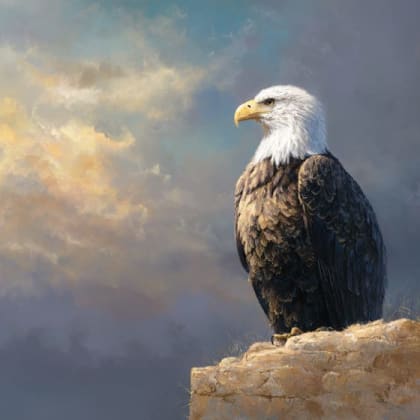
The district encompasses over two dozen archaeological sites, with the most significant discoveries made on Mink Island. Here, archeologists have unearthed evidence of ancient pit houses, rich shell middens, and a progression of stone tools—from basalt oil lamps and blades to ground slate tools and fiber-tempered pottery—detailing various cultural phases. Beyond its cultural treasures, Amalik Bay captivates with its rugged natural beauty: vibrant green islands, dramatic waterfalls cascading from towering cliffs, unique columnar rock formations, and expansive tidal flats. This dynamic environment also supports abundant wildlife, including coastal brown bears, majestic bald eagles, and various sea mammals.
A visit to Amalik Bay offers a profound opportunity for reflection, allowing you to envision how ancient peoples lived, adapted, and flourished in harmony with this powerful landscape. It's a place where the echoes of human ingenuity resonate through time, set against a backdrop of raw, untamed Alaskan beauty. The absence of modern development allows for an authentic, immersive experience, showcasing a dynamic interplay between culture and nature that remains largely as it has been for thousands of years. Turn your visit into a safari! Use the Snappit app to scan and log wildlife sightings here.
The human story of Amalik Bay began over 7,000 years ago, with the earliest known settlers arriving around 5500 BCE, when sea levels were significantly lower. These hunter-gatherer communities established homes and communities, adapting to the changing coastal environment and resource availability. Archeological investigations, notably beginning in the 1960s on Mink Island, revealed layers of cultural deposits, providing a continuous record of occupation across multiple cultural phases, including Paleoarctic, Ocean Bay, Kachemak, and Thule traditions. The region's history is also marked by significant geological events, such as a major volcanic eruption around 4600 BCE and the 1912 Novarupta eruption, which blanketed parts of the area with pumice. Despite these natural disturbances, people consistently returned to Amalik Bay, demonstrating remarkable resilience and adaptability. Recognizing its unparalleled historical value, the Amalik Bay Archeological District was designated a National Historic Landmark and listed on the National Register of Historic Places in 2005. The National Park Service actively monitors and protects these fragile sites from erosion, ensuring their preservation for future generations.
Explore the designated archeological sites (without disturbing them), observe the dynamic tidal flats and tide pools at low tide, and engage in exceptional wildlife viewing, particularly for brown bears, bald eagles, and various sea mammals. Photography opportunities are abundant.
Summer offers the best weather for travel and the peak season for wildlife activity, including salmon runs that attract bears. The weather, however, can be unpredictable, with vibrant sunny periods quickly giving way to bitter rain and strong winds.
Amalik Bay is a remote, undeveloped wilderness area. There are no paved trails or wheelchair-accessible features. Access requires navigating rugged terrain, often by boat or floatplane, and hiking over uneven ground.
The ancient village sites on Mink Island, where evidence of pit houses and shell middens can be found. Keep an eye out for the exposed stratigraphy of occupation layers along the coast. The dramatic coastal scenery featuring columnar rock formations, vibrant green islands, and numerous waterfalls is also a major highlight.
Each card links to a full Explore page with photos, traits, and fun facts.
Start with the big picture, then zoom in to explore individual wildlife observations around this place.
Plan for Remote Travel
Access to Amalik Bay is typically via floatplane or boat, often requiring careful planning and permits through Katmai National Park and Preserve.
Practice Leave No Trace
This is a pristine wilderness and an invaluable archaeological site. Pack out everything you pack in, stay on established paths where they exist, and never disturb or remove any cultural or natural features.
Be Bear Aware
Amalik Bay is prime brown bear habitat. Carry bear spray, know how to use it, and follow all bear safety guidelines provided by the park service.
Dress in Layers
Alaskan weather is notoriously unpredictable. Be prepared for sun, rain, and wind, even on the same day. Waterproof and windproof outer layers are essential.
Bring Optics and Camera Gear
Binoculars are excellent for spotting wildlife and distant geological features. A good camera with a telephoto lens will capture both the grand landscapes and the elusive wildlife.
Consider a Guided Tour
Due to the remoteness and the delicate nature of the archaeological sites, a guided tour with an experienced outfitter or park ranger can enhance your understanding and ensure a safe, respectful visit.
Sep 4, 2025
Sep 4, 2025
Sep 4, 2025
Sep 4, 2025
Aug 2, 2025

Maryland, US
You might spot White-Tailed Deer and Eastern Gray Squirrel.
View guide →
.jpg)
District of Columbia, US
You might spot Eastern Gray Squirrel, Duck, and House Sparrow.
View guide →

Illinois, US
You might spot American Robin, Canada Goose, and House Sparrow.
View guide →

Virginia, US
You might spot Spotted Lanternfly and Northern Cardinal.
View guide →
Take the discovery with you
Identify the wildlife you spot, learn as you go, and keep a collection of the adventure.