.jpg&width=800)





Pale Evening Primrose
Oenothera pallida
The Pale Evening Primrose is a beautiful flower that blooms in the evening. Its soft yellow petals open up at night and close in the morning, making it a special sight to see as the sun sets.
Habitat: Grasslands
The Pale Evening Primrose has delicate white to pinkish-white flowers that open in the evening. Its broad, often crinkled petals contrast with bright yellow stamens, making it look different from many daytime blooms. The plant forms a low clump of green, lance-shaped leaves.
Category
PlantsRarity
Common
Danger
1/5 · Very low
Snaps
2
Its delicate petals glow subtly under moonlight, guiding night-flying insects to its nectar!
Its seeds contain an oil rich in nutrients, valued by humans for centuries!
Native American tribes traditionally used parts of this plant for various purposes.
Though called "evening," some flowers can stay open well into the morning sun.
Pale Evening Primrose can open its flowers precisely at dusk to attract special nighttime pollinators.
Pale Evening Primrose flowers change from white to a pinkish-red as they age, signaling to pollinators.
Pale Evening Primrose has a long taproot that helps it find water deep underground to survive dry spells.
Hyles lineata
Its long proboscis reaches deep nectar.
Apis mellifera
Collects pollen and nectar in morning.
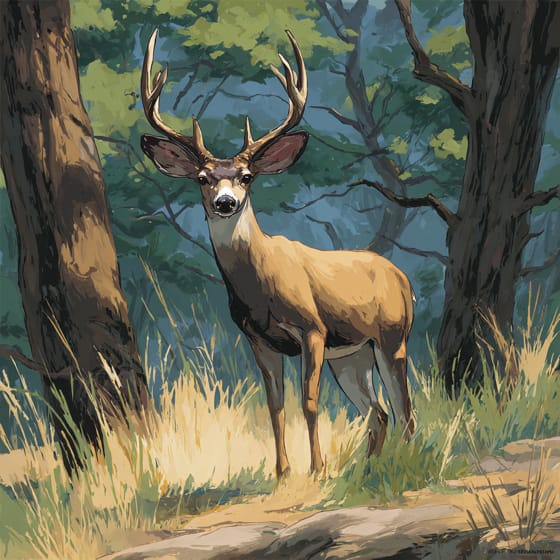
Odocoileus hemionus
Browses on leaves and young stems.
Flowering plants are any plants that produce flowers as part of their reproductive cycle.
Ornamental plants are cultivated primarily for their aesthetic appeal, enhancing landscapes and gardens with their attractive foliage, flowers, or form.
Night blooming plants open their flowers after sunset, often to attract nocturnal pollinators with their scent and appearance.
Drought-tolerant plants can survive and flourish in conditions with limited water availability.

Grassland habitats are terrestrial biomes dominated by grasses and herbaceous plants, supporting a variety of grazing animals.

Describes plants that are particularly attractive and beneficial to a wide range of pollinating organisms.
No aliases listed yet.
Danger
1/5 · Very low
Always look but don't touch flowers without asking an adult first.
The easiest way to identify Pale Evening Primrose is to use the Snappit nature identifier app.
10-50 cm
15-45 cm
2-5 cm
Late spring to mid-summer
Yes
None
Perennial
Zoom in to split clusters and explore where this object has been snapped.
Take the discovery with you
Snap it with Snappit to identify it, learn what makes it special, and add the discovery to your collection.









.jpg&width=800)



_001.jpg&width=800)




