





Sandhill St. John's-wort
Hypericum tenuifolium
Sandhill St. John's-wort is a bright yellow flower that grows in sunny places. Its cheerful blooms can make any field look happy and bright!
Habitat: Grasslands
The Sandhill St. John's-wort has slender stems and small, narrow, linear leaves. Its vibrant yellow flowers feature five petals and numerous prominent stamens, giving them a fuzzy, star-like appearance. These bright blooms stand out against its green foliage.
Category
PlantsRarity
Common
Danger
1/5 · Very low
Snaps
Be the first to snap!
Its many stamens make the flower look fuzzy, inviting hungry bees to visit!
Some Hypericum plants have a special red pigment that inspired old dyes!
The plant can survive wildfires by regrowing from hidden roots underground!
This plant's tiny flower petals look like bright sunbeams pointing outwards!
Sandhill St. John's-wort has deep roots that help it find water in dry, sandy soils to survive periods of drought.
Sandhill St. John's-wort can attract pollinators with its many bright yellow stamens, making its flowers irresistible for reproduction.
Sandhill St. John's-wort has small capsules that release tiny seeds, allowing it to spread and colonize new sandy areas.
Apis mellifera
Gathers nectar and pollen from blooms.
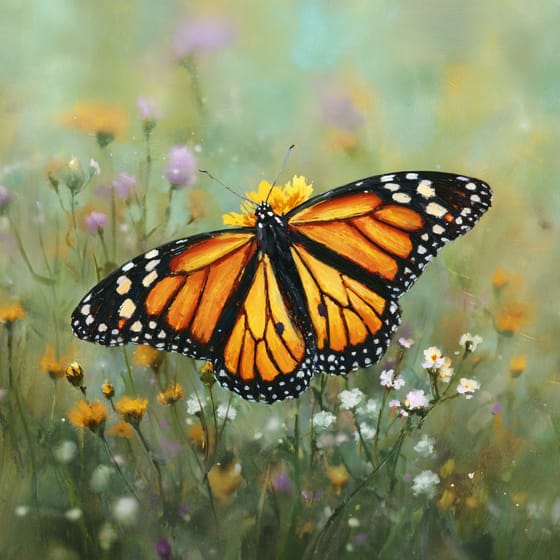
Danaus plexippus
Sips nectar, helping transfer pollen.
Chrysolina quadrigemina
Feeds on leaves and stems.

Odocoileus virginianus
Browses occasionally on foliage.
Flowering plants are any plants that produce flowers as part of their reproductive cycle.
Summer blooming plants produce their flowers during the summer season, often providing vibrant color when many other plants have finished.
Fragrant flowers emit a pleasant aroma, often to attract pollinators or for defense.
Medicinal plants possess chemical compounds that can be used for therapeutic purposes to treat illnesses or maintain health.

Edible plants are those parts of a plant that are considered safe for human consumption.

Grassland habitats are terrestrial biomes dominated by grasses and herbaceous plants, supporting a variety of grazing animals.

Describes plants that are particularly attractive and beneficial to a wide range of pollinating organisms.
No aliases listed yet.
Danger
1/5 · Very low
Always look but don't touch flowers unless a grown-up says it's okay.
The easiest way to identify Sandhill St. John's-wort is to use the Snappit nature identifier app.
30-60 cm
1-2 cm
Summer
No
Mild
Perennial
Insect
Zoom in to split clusters and explore where this object has been snapped.
Recent snaps will appear here as new observations are added.
Take the discovery with you
Snap it with Snappit to identify it, learn what makes it special, and add the discovery to your collection.








.jpg&width=800)


_001.jpg&width=800)



