





Carolina Bristlemallow
modiola caroliniana
The Carolina Bristlemallow is a beautiful flowering plant that loves to bask in the sun. Its bright yellow blooms attract many butterflies and bees, making it a favorite in gardens!
Habitat: It typically grows in coastal areas, wetlands, and sandy soils.
The Carolina Bristlemallow is a low-growing plant with sprawling stems and soft, rounded, slightly hairy leaves. It displays small, bright orange to reddish-orange flowers, each with five petals, which can resemble tiny hibiscus blooms.
Category
PlantsRarity
Common
Danger
0/5 · No known danger
Snaps
4
Even though it looks delicate, this plant can grow in really tough, compacted soil!
It's related to hibiscus and cotton, which might surprise you!
Its tiny orange flowers twirl open and close with the sun each day!
The bristly seed pods are often called 'cheesewheels' because of their shape!
Carolina Bristlemallow can regrow quickly from its deep taproot, helping it survive mowing or grazing animals.
Its unique bristly fruits easily attach to fur or clothes, helping the seeds travel far from the parent plant.
This plant produces cheerful orange flowers for many months, attracting pollinators throughout the growing season.
Apis mellifera
visits flowers for nectar

Bombus impatiens
collects pollen and nectar
Spodoptera eridania
caterpillars feed on leaves
Colorful describes organisms or objects displaying a wide range of bright and distinct colors.
This trait characterizes organisms whose diet consists entirely or primarily of plant material.
Coastal habitats are dynamic environments located along the interface between land and sea, influenced by tides, waves, and saltwater.
Diurnal animals are primarily active during daylight hours, typically resting or sleeping at night.

Describes organisms that transfer pollen, enabling the fertilization and reproduction of plants.
Danger
0/5 · No known danger
No special safety notes yet.
The easiest way to identify Carolina Bristlemallow is to use the Snappit nature identifier app.
10-60 cm
30-90 cm
1-2 cm
Spring-fall
No
None
Perennial
Zoom in to split clusters and explore where this object has been snapped.

Georgia, US
You might spot Common Vetch, Tiny Bluet, and Carolina Crane's-Bill.
View guide →

Georgia, US
You might spot Tiny Bluet, Mountain Laurel, and Eastern Box Turtle.
View guide →
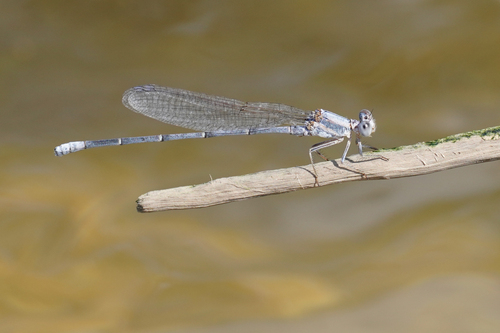
Texas, US
You might spot Powdered Dancer and Glassy-Winged Sharpshooter.
View guide →

North Carolina, US
You might spot American Alligator, Striped Bass, and Sturgeon.
View guide →
Take the discovery with you
Snap it with Snappit to identify it, learn what makes it special, and add the discovery to your collection.









.jpg&width=800)



_001.jpg&width=800)




