





Pale Tasselflower
Emilia praetermissa
The Pale Tasselflower is a pretty little flower with soft, fluffy seeds. It grows in sunny places and adds a splash of color to fields and gardens, making nature look even more beautiful!
Habitat: Grasslands
The Pale Tasselflower is a delicate, slender herb with upright stems and narrow leaves. It has small, airy flower heads, typically appearing in shades of pale pink, lavender, or white, which transform into fluffy, dandelion-like seed clusters.
Category
PlantsRarity
Common
Danger
1/5 · Very low
Snaps
Be the first to snap!
Each fluffy flower head is actually a cluster of many tiny individual flowers, called florets.
It's sometimes called "Flora's Paintbrush" because its dainty flowers resemble tiny art brushes!
The plant’s scientific name, Emilia, honors an Italian noblewoman from the 17th century!
This small plant can pop up as a harmless weed in gardens, fields, and even cracks in pavement!
Pale Tasselflower has parachute-like seeds that help it fly on the wind, spreading far and wide to new growing spots.
Pale Tasselflower can grow quickly from seed to flower in just a few weeks, helping it finish its life cycle fast.
Pale Tasselflower has strong roots and grows well even in poor or disturbed soils, helping it survive tough conditions.
Apis mellifera
gathers nectar and pollen for its colony
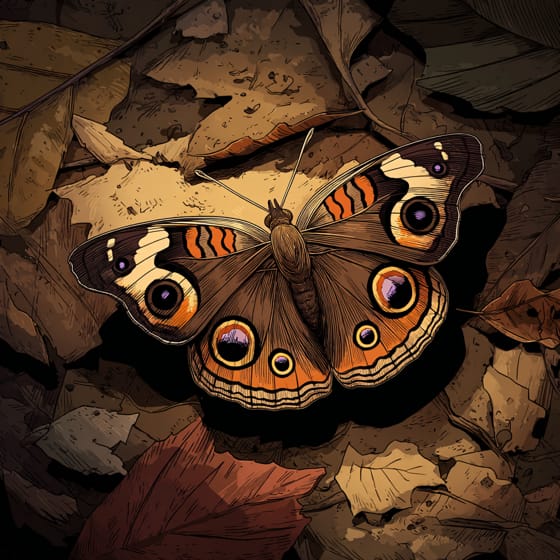
Junonia coenia
sips nectar, transferring pollen between flowers
Spodoptera litura
larvae feed on leaves and stems
Flowering plants are any plants that produce flowers as part of their reproductive cycle.
Summer blooming plants produce their flowers during the summer season, often providing vibrant color when many other plants have finished.
Fragrant flowers emit a pleasant aroma, often to attract pollinators or for defense.
Colorful describes organisms or objects displaying a wide range of bright and distinct colors.

Grassland habitats are terrestrial biomes dominated by grasses and herbaceous plants, supporting a variety of grazing animals.

Describes plants that are particularly attractive and beneficial to a wide range of pollinating organisms.
No aliases listed yet.
Danger
1/5 · Very low
Always look but don't pick flowers, so everyone can enjoy their beauty!
The easiest way to identify Pale Tasselflower is to use the Snappit nature identifier app.
20-60 cm
10-30 cm
1-2 cm
Year-round in warm climates, summer-fall elsewhere
No
None
Annual
Zoom in to split clusters and explore where this object has been snapped.
Recent snaps will appear here as new observations are added.
Take the discovery with you
Snap it with Snappit to identify it, learn what makes it special, and add the discovery to your collection.









.jpg&width=800)


_001.jpg&width=800)




