

Bottlenose Dolphin
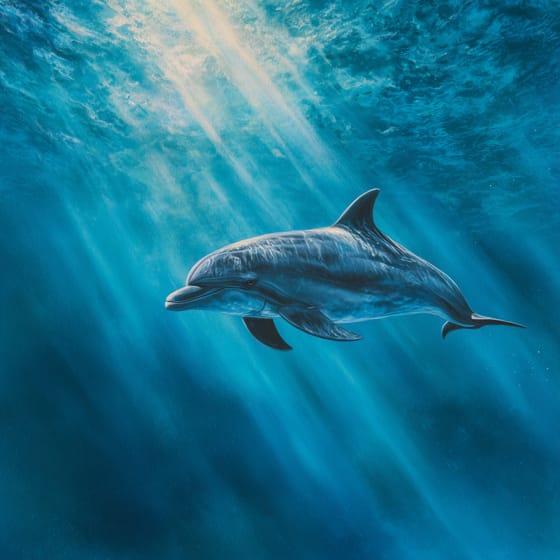
The Dolphin Research Center, nestled in the heart of the Florida Keys, offers an extraordinary opportunity to connect with marine mammals in a beautiful, natural lagoon setting.
The Dolphin Research Center, nestled in the heart of the Florida Keys, offers an extraordinary opportunity to connect with marine mammals in a beautiful, natural lagoon setting. This non-profit marine mammal education and research facility provides a unique "edu-vacation" experience where visitors can engage with a diverse family of Atlantic bottlenose dolphins and California sea lions. Imagine witnessing the incredible intelligence and playful personalities of these creatures up close, all while learning about their care, conservation, and the vital research conducted on-site. Beyond general admission, which allows for observation of narrated behavior sessions and educational presentations occurring every half hour, the center offers a variety of interactive programs.
These include the chance to meet, play with, or even swim alongside a dolphin, providing unforgettable, hands-on experiences. You might find yourself giving a high-five to a dolphin like Aleta or Talon, learning about their "dolphinalities" directly from dedicated trainers, or observing cutting-edge research in action. The natural seawater lagoons are not only home to the dolphins and sea lions but also host a variety of local fish and other marine life, occasionally even drawing wild dolphins to visit through the perimeter fence.
A visit to the Dolphin Research Center is more than just an encounter; it's an immersive journey into the world of marine mammals, emphasizing education, conservation, and the deep bond between humans and these magnificent animals. Whether you're captivated by high-flying acrobatics, intrigued by scientific studies, or simply want to cool off in the Sprayground, the center offers a full day of engaging activities for all ages. It's a place where every interaction reinforces a commitment to providing a lifelong, healthy, and enriching home for its animal residents. Unlock an interactive field guide for this spot: get the Snappit app to identify nature on the go.
The Dolphin Research Center (DRC) has a rich history rooted in a long-standing tradition of marine mammal interaction and study. Its story began in 1958 when fisherman Milton Santini opened "Santini's Porpoise School" on the same Grassy Key property. Santini ingeniously created deeper pools for the dolphins by carefully blasting parts of the seashore. One of the school's most famous residents, Mitzi, even starred in the iconic film Flipper and its 1964 sequel. After changing hands and operating as "Flipper's Sea School" and then the "Institute for Delphinid Research," the facility was finally founded as the non-profit Dolphin Research Center in 1984 by Jayne Shannon-Rodriguez and Armando "Mandy" Rodriguez. Their vision was to establish a unique education and research facility dedicated to providing a permanent home for the dolphins and sea lions, ensuring their well-being, and advancing understanding of marine mammals through research and public education. Today, over half of the animal residents were born at the center, while others are rescues deemed unreleasable into the wild.
Watch narrated behavior sessions showcasing dolphin and sea lion abilities, research, and training. Chat with trainers and staff to learn about the animals and marine mammals in general. Observe dolphins "people-watching" and interacting with guests from the shaded areas. Consider booking an interactive program for a closer experience, such as a Dolphin Encounter, Family Dolphin Splash, or even "Paint with a Dolphin." Explore the gift shop for unique souvenirs, including paintings created by the dolphins.
The center is generally open year-round but is closed on Memorial Day, Labor Day, Thanksgiving Day, and Christmas Day. The warm Florida Keys weather makes it a suitable destination for most of the year.
The Dolphin Research Center is highly accessible, featuring wheelchair-accessible restrooms, pathways, and public buildings. An aqua-lift chair and trained staff are available to assist guests with physical or cognitive limitations for in-water programs. Pets and service animals on leashes are also welcome.
Observe the Atlantic bottlenose dolphins and Atlantic spotted dolphin, Summer, in their natural seawater habitats, engaging in behaviors, research, and playtime.
Witness the antics and intelligence of the resident California sea lions like Clyde, Diamond, Lina, and Raleigh.
Enjoy air-conditioned presentations that delve into marine mammal biology, behavior, and conservation.
A fun area featuring fresh water blasts and mists, accompanied by recorded dolphin sounds, perfect for cooling off.
Each card links to a full Explore page with photos, traits, and fun facts.
Start with the big picture, then zoom in to explore individual wildlife observations around this place.
Book interactive programs in advance
If you're interested in hands-on experiences like swimming with dolphins or the "Ultimate Trainer for a Day" program, it's highly recommended to prebook your activities, as spots can fill up quickly.
Check the daily schedule
Upon arrival, locate the large board near the main lagoon for the day's schedule of narrated behavior sessions and educational presentations. This helps you plan your visit to catch specific activities.
Wear comfortable shoes and sun protection: The center has brick sidewalks and boardwalks, so sensible footwear like sandals is ideal. Don't forget eco-friendly sunscreen, hats, and sunglasses, as much of the experience is outdoors in the Florida sun.
Bring a camera, but consider professional photos: While you can take your own photos, the center has professional photographers for interactive programs. Investing in these can provide high-quality memories of your close encounters.
Utilize the Sprayground
Especially on warmer days, the Family Sprayground is a great spot for kids and adults to cool off and enjoy some playful mist.
Don't rush between sessions
Take time to observe the dolphins and sea lions during their "private time" between scheduled sessions; they often engage in natural behaviors and may even "people-watch."
Feb 28, 2026
Feb 27, 2026
Feb 4, 2026
Jan 24, 2026
Jan 23, 2026

Michigan, US
You might spot African Lion, Komodo Dragon, and Brown Bear.
View guide →
.jpg)
Municipal District of Cobh, IE
You might spot Ring-Tailed Lemur, Giraffes, and Cheetahs.
View guide →

Nouvelle-Aquitaine, FR
You might spot Greater Flamingo, Giraffes, and Red Panda.
View guide →

Texas, US
You might spot Giraffes, African Lion, and Eastern Black Rhinoceros.
View guide →
Take the discovery with you
Identify the wildlife you spot, learn as you go, and keep a collection of the adventure.