





pennywort
Obolaria virginica
Pennywort is a small, pretty plant that grows close to the ground. It has round leaves and can often be found in shady places like forests and along streams.
Habitat: Forests
The pennywort is a petite plant with purplish-green to brownish-green scale-like leaves, quite unlike common pennyworts. Its tiny, bell-shaped flowers are white or pale purple, growing in a short cluster on a delicate stem. It blends well into the woodland floor.
Category
PlantsRarity
Common
Danger
1/5 · Very low
Snaps
4
It's sometimes called "false-pennywort" because its leaves are tiny scales, not round coins!
Its delicate, bell-shaped flowers are among the first to bloom in the forest each spring!
Pennywort spends much of its life hidden as a tiny underground rhizome before popping up!
This plant gets most of its food by quietly borrowing from nearby tree roots.
Pennywort can 'steal' nutrients from tree roots using special underground connections, helping it grow in shady forests.
Pennywort has the ability to bloom very early in spring, often before the forest canopy leafs out, catching sunlight when it's available.
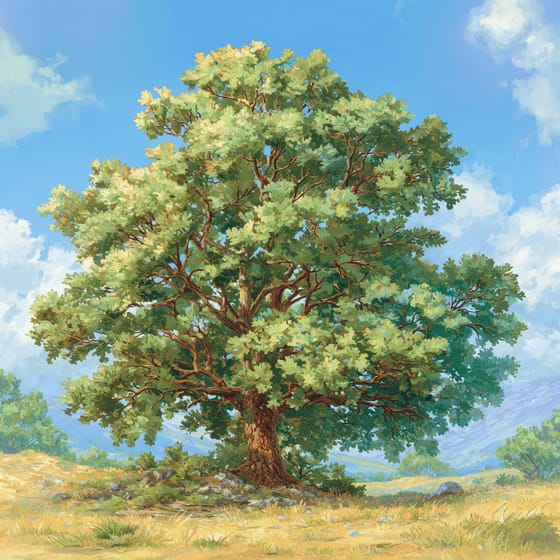
Quercus alba
for nutrients through its roots
Apis mellifera
its small, bell-shaped flowers
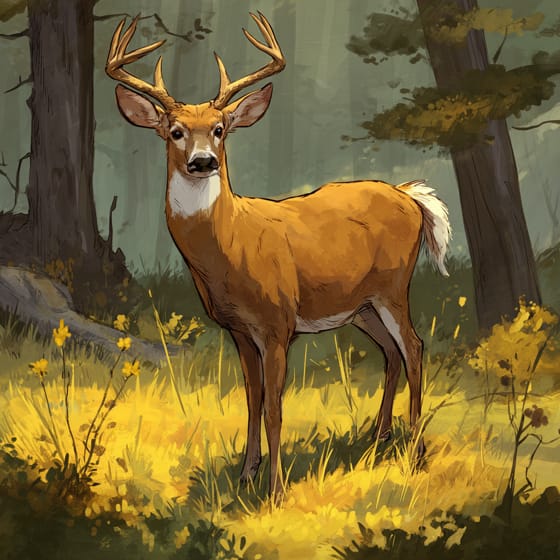
Odocoileus virginianus
occasionally browses its delicate foliage
Flowering plants are any plants that produce flowers as part of their reproductive cycle.
Shade tolerant plants are adapted to grow and thrive in areas with low light levels, requiring less direct sunlight.
Medicinal plants possess chemical compounds that can be used for therapeutic purposes to treat illnesses or maintain health.
Edible plants are those parts of a plant that are considered safe for human consumption.

Describes plants that are particularly attractive and beneficial to a wide range of pollinating organisms.

Forest habitats are terrestrial environments dominated by dense tree cover, supporting a high diversity of plant and animal life.

This habitat trait identifies species found in wetlands, which are areas of land saturated with water, either permanently or seasonally, including marshes, swamps, and bogs.
No aliases listed yet.
Danger
1/5 · Very low
Always ask an adult before touching or eating any plants.
The easiest way to identify pennywort is to use the Snappit nature identifier app.
5-15 cm
5-15 cm
0.5-1 cm
Early spring
No
None
Perennial
Zoom in to split clusters and explore where this object has been snapped.

New Jersey, US
You might spot Common Mugwort and White-Tailed Deer.
View guide →

Kentucky, US
You might spot Large White Trillium and Sharp-Lobed Hepatica.
View guide →

North Carolina, US
You might spot Eastern Tiger Swallowtail, Anole, and Monarch.
View guide →

North Carolina, US
You might spot Virginia Heartleaf, Dwarf Crested Iris, and Galax.
View guide →
Take the discovery with you
Snap it with Snappit to identify it, learn what makes it special, and add the discovery to your collection.







.jpg&width=800)



_001.jpg&width=800)


