Top.JPG&width=800)





Palmetto Weevil
Rhynchophorus cruentatus
The Palmetto Weevil is a small, black beetle with a long snout. It loves to munch on palm trees and can be found in warm, sunny places. These little bugs are important for nature, helping to break down dead plants.
Habitat: Coastal areas
The Palmetto Weevil is a large, reddish-brown to black beetle, easily recognized by its long, curved snout and a distinct reddish-orange pattern on its thorax. Its robust body and size make it visually stand out among other weevil species.
Category
InsectsRarity
Common
Danger
1/5 · Very low
Snaps
1
A female weevil can lay over 200 eggs deep inside a palm tree!
Their grubs are considered a protein-rich delicacy in some countries!
These weevils can totally destroy an adult palm tree in less than a year!
They make a unique "chipping" sound by scraping body parts together!
Palmetto Weevil can use its strong, curved snout to bore holes deep into palm trees because of its specialized mouthparts.
Palmetto Weevil has a tough, protective exoskeleton that helps them resist attacks from predators and environmental damage.
Palmetto Weevil can release and detect special scents (pheromones) that helps them find mates and new palm trees.
Palmetto Weevil can fly quite well using its strong wings, which helps them travel long distances to new food sources.
These beetles love to munch on the soft parts of palm trees, especially the inner crown.
Age differences: Larvae tunnel and feed deep inside the palm's soft tissues, while adults prefer outer softer parts and sap.

Sabal palmetto
Its larvae tunnel into the heart of this palm.
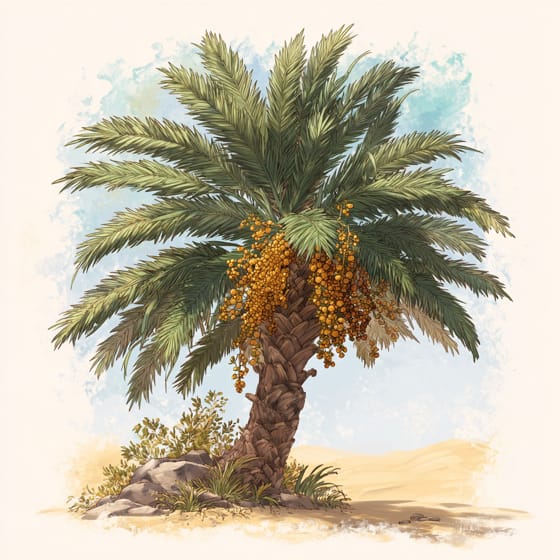
Phoenix dactylifera
Adults and larvae can severely damage cultivated date palms.

Cocos nucifera
A serious pest, destroying the crown of coconut trees.
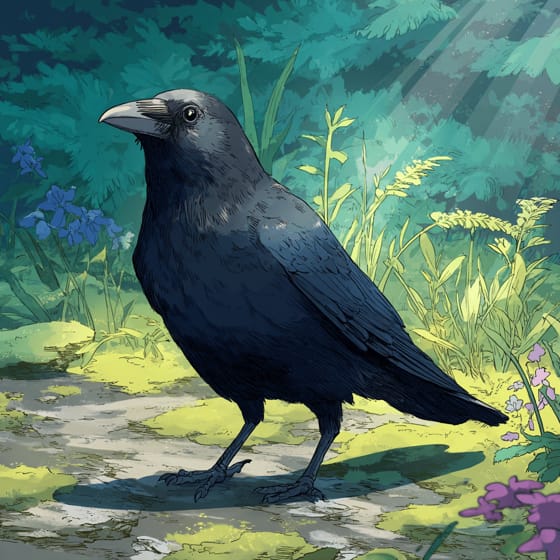
Corvus brachyrhynchos
Crows may prey on adult weevils when visible.

Procyon lotor
Raccoons might opportunistically eat larvae or adults.
Solitary animals live alone for most of their lives, only interacting with others for mating or parental care.
This trait characterizes organisms whose diet consists entirely or primarily of plant material.
Describes organisms that break down dead organic material, recycling nutrients back into the ecosystem.
Coastal habitats are dynamic environments located along the interface between land and sea, influenced by tides, waves, and saltwater.

Describes a species whose presence and role have a disproportionately large effect on its environment.

Pertaining to species that are significantly smaller than typical or average for their kind.

Invasive species are non-native organisms that cause harm to the environment, economy, or human health.
No aliases listed yet.
Danger
1/5 · Very low
Don't touch insects without asking an adult, as some can bite.
The easiest way to identify Palmetto Weevil is to use the Snappit nature identifier app.
30-60 mm
20-40 mm
60-180 days
12 km/h
These beetles love to munch on the soft parts of palm trees, especially the inner crown.
Coastal areas
Foraging
Zoom in to split clusters and explore where this object has been snapped.
Take the discovery with you
Snap it with Snappit to identify it, learn what makes it special, and add the discovery to your collection.









.jpg&width=800)



