





cabbage palmetto
Sabal palmetto
The cabbage palmetto is a tall tree with fan-shaped leaves that look like big green umbrellas! It grows in warm places and is often found near the beach.
Habitat: Coastal areas
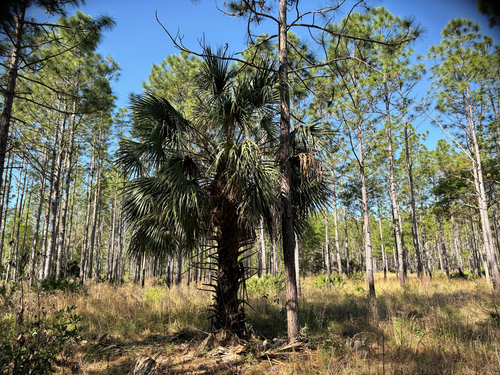
The cabbage palmetto is a tall, slender palm with an unbranched trunk that often retains old leaf bases, giving it a unique textured look when young. Its crown features large, stiff, fan-shaped leaves, green to bluish-green, that emerge from a central point.
Category
PlantsRarity
Common
Danger
1/5 · Very low
Snaps
6
Indigenous people used its sturdy leaves for making baskets and thatch roofs.
It's the official state tree of both Florida and South Carolina!
Native bees and other insects flock to its small white summer flowers for nectar!
The fibrous trunk was historically used to build docks and wharf pilings.
Cabbage palmetto can bend significantly without breaking during strong winds, helping it survive powerful storms.
This palm has special adaptations to tolerate both salt spray and occasional flooding by brackish water.
Its abundant tiny black fruits provide vital food for countless birds and mammals in its habitat.
Apis mellifera
collects nectar from its flowers
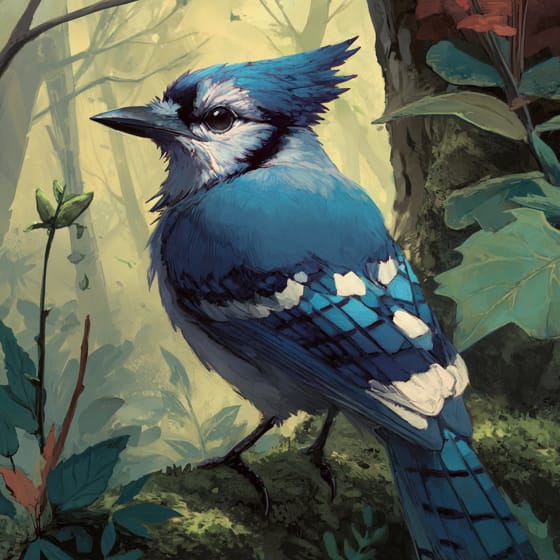
Cyanocitta cristata
consumes its small black fruits
Ursus americanus
eats its sweet, ripe fruits
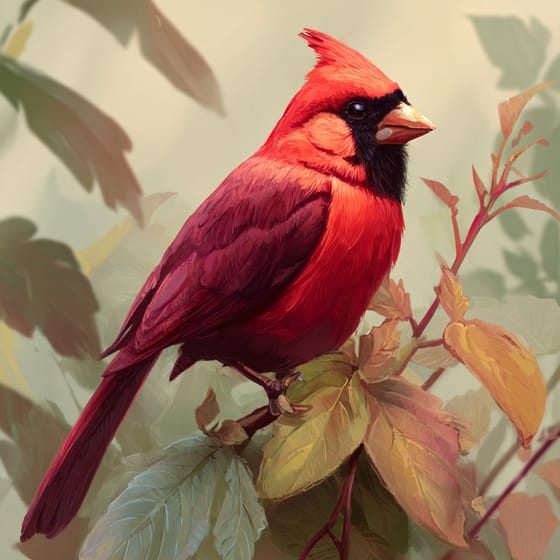
Cardinalis cardinalis
uses its crown for nesting
Flowering plants are any plants that produce flowers as part of their reproductive cycle.
Broadleaf trees are angiosperms characterized by flat, wide leaves that are typically shed annually in temperate climates.
Evergreen plants retain their foliage throughout the year, never shedding all their leaves at once.
This human use trait identifies species that yield natural fibers, used by humans for textiles, rope, paper, and other manufactured goods.

Edible plants are those parts of a plant that are considered safe for human consumption.

Timber refers to wood that has been prepared for use in building and carpentry.

Coastal habitats are dynamic environments located along the interface between land and sea, influenced by tides, waves, and saltwater.

Describes a species whose presence and role have a disproportionately large effect on its environment.
No aliases listed yet.
Danger
1/5 · Very low
Stay away from the sharp edges of the leaves.
The easiest way to identify cabbage palmetto is to use the Snappit nature identifier app.
1000-2000 cm
250-400 cm
0.5-1 cm
Summer
Yes
None
Perennial
Zoom in to split clusters and explore where this object has been snapped.
Apr 21, 2026
Morningside Nature CenterPhoto attribution
(c) Emily Geest, some rights reserved (CC BY)
License: CC BY 4.0 ↗
Image may be shown cropped inside the card frame.

Florida, US
You might spot American Beautyberry and Brown Anole.
View guide →

Florida, US
You might spot Brown Anole, Monarch, and Eastern Lubber Grasshopper.
View guide →

Florida, US
You might spot American Alligator, Great Blue Heron, and Anhinga.
View guide →

Florida, US
You might spot Eastern Redcedar, Fetterbush Lyonia, and Virginia Creeper.
View guide →

Florida, US
You might spot Coastalplain Chaffhead, Slimleaf Pawpaw, and Woolly Pawpaw.
View guide →

Georgia, US
You might spot Spanish Moss, Gulf Fritillary, and Long-Tailed Skipper.
View guide →
Take the discovery with you
Snap it with Snappit to identify it, learn what makes it special, and add the discovery to your collection.








.jpg&width=800)


_001.jpg&width=800)


