





Peninsular fishhook cactus
Cochemiea dioica
The Peninsular fishhook cactus is a unique cactus that grows in the desert. It has beautiful, bright flowers and sharp spines that help it survive in dry places.
Habitat: Desert
The Peninsular fishhook cactus is a small, clumping cactus with multiple stems covered in dense, hooked spines. Its green stems are often obscured by whitish-gray spines, and it produces small, funnel-shaped flowers ranging from white to yellow, followed by bright red, berry-like fruits.
Category
PlantsRarity
Rare
Danger
3/5 · Moderate
Snaps
Be the first to snap!
Despite its small size, it boasts vibrant flowers that pop in the desert sun!
Its bright red fruits are a tasty treat for birds and other desert creatures!
Some say its hooked spines help spread its seeds by catching on passing animals!
This tiny cactus can grow a whole colony of stems, spreading across the ground!
Peninsular fishhook cactus has sharp, hooked spines that help it protect itself from hungry desert animals trying to take a bite.
This cactus has a thick, waxy skin that helps it lock in precious water, allowing it to survive in very dry desert conditions.
Peninsular fishhook cactus uses a special trick called CAM photosynthesis, opening its pores only at night to save water while making food.
Apis mellifera
visits flowers for nectar and pollen
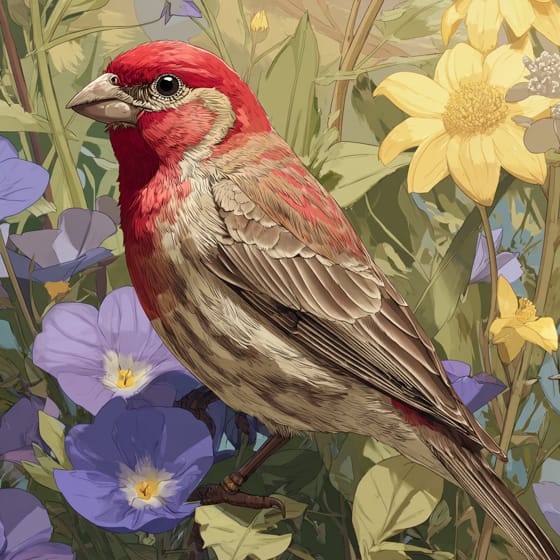
Haemorhous mexicanus
consumes the small, red fruits
Peromyscus eremicus
may nibble on stems or fruits
Flowering plants are any plants that produce flowers as part of their reproductive cycle.
Spring blooming plants produce their flowers during the spring season, often signifying the end of winter and the start of new growth.
Drought-tolerant plants can survive and flourish in conditions with limited water availability.
Succulent plants have thickened, fleshy parts, usually leaves or stems, adapted to store water in arid climates.

Describes plants that are particularly attractive and beneficial to a wide range of pollinating organisms.

Desert habitats are arid regions characterized by extremely low precipitation and often extreme temperatures, supporting specialized flora and fauna.

This trait characterizes organisms with an exceptionally long lifespan compared to others of their kind.

Possessing sharp, pointed projections or spines on the body or surface.

Endangered status indicates a species is at a very high risk of extinction in the wild in the near future.
No aliases listed yet.
Danger
3/5 · Moderate
Be careful around cacti! Their spines can be sharp and hurt if you touch them.
The easiest way to identify Peninsular fishhook cactus is to use the Snappit nature identifier app.
10-30 cm
15-45 cm
2-3 cm
Spring to early summer
No
None
Perennial
Zoom in to split clusters and explore where this object has been snapped.
Recent snaps will appear here as new observations are added.
Take the discovery with you
Snap it with Snappit to identify it, learn what makes it special, and add the discovery to your collection.










.jpg&width=800)



_001.jpg&width=800)



