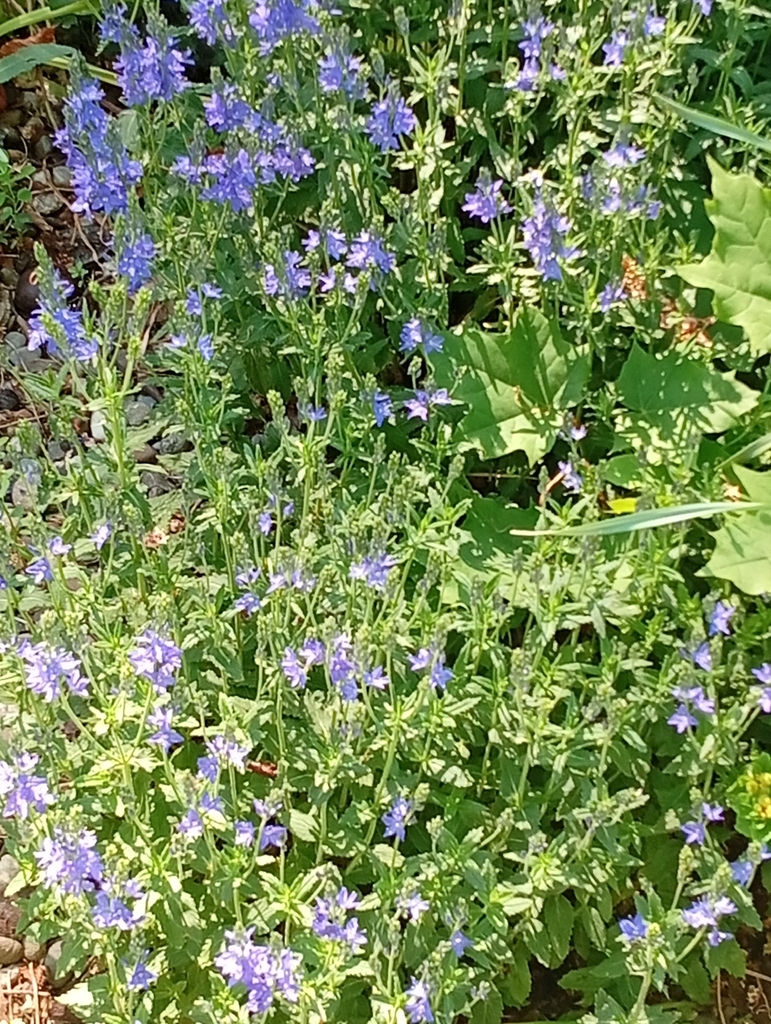





Pentasepalae
Pentasepalae
The Pentasepalae is a fascinating creature that loves to explore its surroundings. With its unique five-part structure, it can adapt to various environments, making it an exciting find in nature!
Habitat: Forests and grasslands
The Pentasepalae has a sleek, iridescent teal fur coat that shimmers in the sunlight, making it distinct. Its most striking features are its five-lobed, velvety maroon ears that can swivel independently, and unusually long, slender front limbs.
Category
PlantsRarity
Common
Danger
1/5 · Very low
Snaps
Be the first to snap!
Its strong, curved claws are perfect for digging intricate underground burrows for shelter.
Newborn Pentasepalae are born with their eyes wide open and can walk within hours!
Pentasepalae communicate using complex clicks and whistles, creating unique group melodies!
This mammal has a unique digestive system that helps it process tough plant fibers quickly.
Pentasepalae has five-lobed ears that can swivel independently, helping them pinpoint faint sounds from any direction with incredible accuracy.
Pentasepalae can produce a soft, blue-green glow from specialized skin patches, used to signal mates in dense undergrowth.
Pentasepalae has iridescent fur that shimmers and changes hue, helping them blend seamlessly into dappled light and shadows.
The Pentasepalae is an omnivore, munching on a mix of juicy fruits, roots, insects, and small animals.

Panthera pardus
A formidable predator, the leopard often hunts unwary Pentasepalae.
Macrotermes natalensis
Pentasepalae unearth and consume large colonies of these nutritious termites.
Ficus sur
The fig depends on Pentasepalae to spread its seeds after they eat the fruit.
Social animals live in organized groups, cooperating for survival benefits such as foraging, defense, and raising offspring.
Colorful describes organisms or objects displaying a wide range of bright and distinct colors.
This trait characterizes organisms whose diet consists entirely or primarily of plant material.
Diurnal animals are primarily active during daylight hours, typically resting or sleeping at night.
Nocturnal animals are primarily active during the nighttime hours, typically resting or sleeping during the day.
Danger
1/5 · Very low
Always observe wildlife from a distance and do not touch any animals.
Start with the whole plant, then compare leaf arrangement, leaf edges, stems and any flowers or fruit. Opposite leaves grow in pairs; alternate leaves come one at a time along the stem. These details tell you far more together than a single green leaf does. Plant Identifier: upload a photo and compare the visible details.
60-90 cm
15-25 kg
8-12 years
35 km/h
The Pentasepalae is an omnivore, munching on a mix of juicy fruits, roots, insects, and small animals.
Forests and grasslands
Foraging
Zoom in to split clusters and explore where this object has been snapped.
Recent snaps will appear here as new observations are added.
Take the discovery with you
Snap it with Snappit to identify it, learn what makes it special, and add the discovery to your collection.