





Sea Lion
Zalophus californianus
Sea lions are playful marine mammals that love to swim and bask in the sun on rocky shores. They have sleek bodies, long whiskers, and are excellent divers.
Habitat: Coastal areas
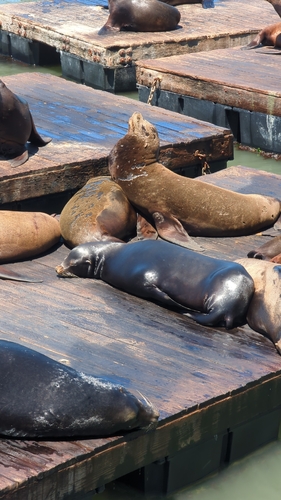
The Sea Lion has a streamlined body with large, powerful fore-flippers and visible external ear flaps, unlike true seals. Its fur varies from light yellowish-brown to dark brown, often appearing lighter on the belly. Adult males develop a distinct, raised crest on their forehead.
Category
MammalsRarity
Common
Danger
2/5 · Low
Snaps
61
Sea lions are very social and often gather in large groups called 'rafts' or 'colonies'.
Sea lions can hold their breath for up to 10 minutes by slowing their heart rate when diving!
They can turn their back flippers forward to help them walk and even run on land!
To stay warm in cold water, sea lions have a thick layer of blubber, not just their fur!
Sea Lions can close their nostrils and ears, helping them dive deep and navigate efficiently underwater without water rushing in.
Sea Lions have large, rotatable flippers that allow them to 'walk' on land and propel through water with incredible agility.
Sea Lions have highly sensitive whiskers (vibrissae) that help them detect fish and other prey in murky underwater environments.
Sea lions are expert underwater hunters that mostly eat many kinds of fish and squid!
Age differences: Pups drink milk from their mothers for many months, gradually learning to hunt small prey.
Sardinops sagax
A primary food source for sea lions in coastal waters.
Engraulis mordax
An important schooling fish often targeted by sea lions.
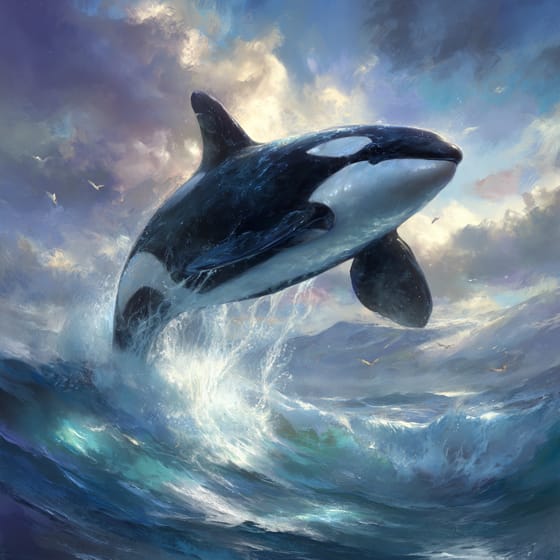
Orcinus orca
Orcas are top predators that hunt sea lions.
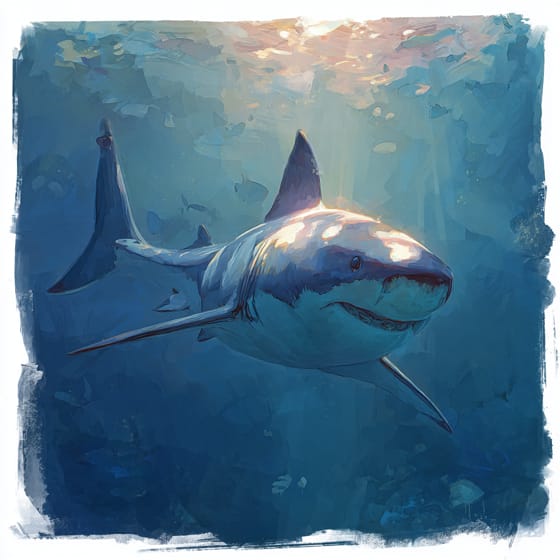
Carcharodon carcharias
Great White Sharks also prey on sea lions in their range.
Wildlife encompasses all undomesticated animal and plant life existing in their natural habitats.
Furry describes animals possessing a dense covering of soft hair or fur.
Characterized by having toes connected by a membrane, typically aiding in swimming.
Possessing prominent sensory hairs or vibrissae, often around the snout.

Social animals live in organized groups, cooperating for survival benefits such as foraging, defense, and raising offspring.

Piscivorous organisms are animals that primarily subsist on a diet of fish.

Coastal habitats are dynamic environments located along the interface between land and sea, influenced by tides, waves, and saltwater.

Marine habitats encompass all saltwater environments of the Earth's oceans, supporting an immense diversity of aquatic life.
Danger
2/5 · Low
Always observe sea lions from a safe distance and never approach or feed them.
The easiest way to identify Sea Lion is to use the Snappit nature identifier app.
180-250 cm
90-380 kg
15-25 years
35 km/h
Sea lions are expert underwater hunters that mostly eat many kinds of fish and squid!
Coastal areas
Pursuit
Zoom in to split clusters and explore where this object has been snapped.
Jun 5, 2026
Aquarium of the BayPhoto attribution
(c) Daveozric, some rights reserved (CC BY)
License: CC BY 4.0 ↗
Image may be shown cropped inside the card frame.

California, US
You might spot Sunburst Anemone, Ochre Sea Star, and Striped Shore Crab.
View guide →

California, US
You might spot Western Gull, Sea Lion, and Great Blue Heron.
View guide →
New York, US
You might spot Gorilla, Tiger, and Snow Leopard.
View guide →
Texas, US
You might spot African Lion, Giraffes, and Meerkat.
View guide →

California, US
You might spot Orca, Bottlenose Dolphin, and Beluga Whale.
View guide →

Oklahoma, US
You might spot Tiger, Snow Leopard, and Komodo Dragon.
View guide →
Take the discovery with you
Snap it with Snappit to identify it, learn what makes it special, and add the discovery to your collection.





.jpg&width=800)



.JPG&width=800)



.jpg&width=800)
