





Phylloteras poculum
Phylloteras poculum
Phylloteras poculum is a special type of insect that loves to hide in leaves. It has a unique shape and color that helps it blend in with its surroundings, making it a master of disguise!
Habitat: Forests
The Phylloteras poculum is a small, oval-shaped insect, typically emerald green or mottled brown, perfectly mimicking a leaf. It has a slightly textured, cup-like indentation on its back, helping it blend seamlessly with its plant surroundings.
Category
InsectsRarity
Common
Danger
1/5 · Very low
Snaps
Be the first to snap!
It can taste with its feet, helping it find the tastiest leaves!
It lays its eggs inside leaves, creating a cozy, hidden nursery!
Its tiny eyes see the world in thousands of mosaic pieces!
When threatened, it can play dead for several minutes to escape danger!
Phylloteras poculum can disappear in plain sight because of its incredible camouflage that helps them look exactly like a leaf.
Phylloteras poculum has a unique cup-like indentation on its back that helps them collect dew or blend with leaf imperfections.
Phylloteras poculum can detect tiny ground vibrations because of specialized leg sensors that help them sense predators approaching.
This tiny insect munches on many types of plant leaves, helping to prune plants.
Quercus rubra
Leaves are a food source for this insect.
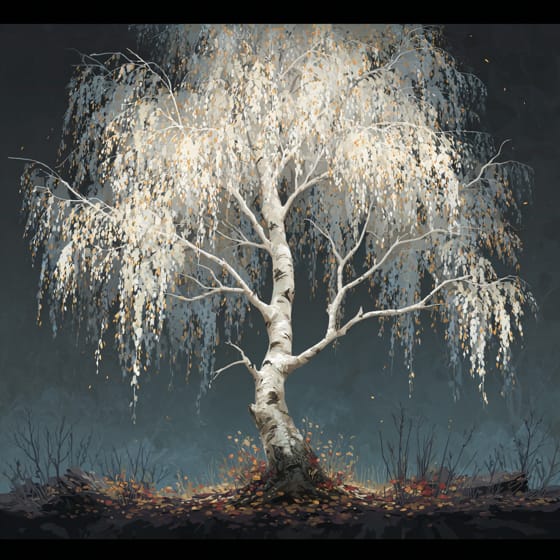
Betula pendula
Its leaves provide sustenance for the Phylloteras.
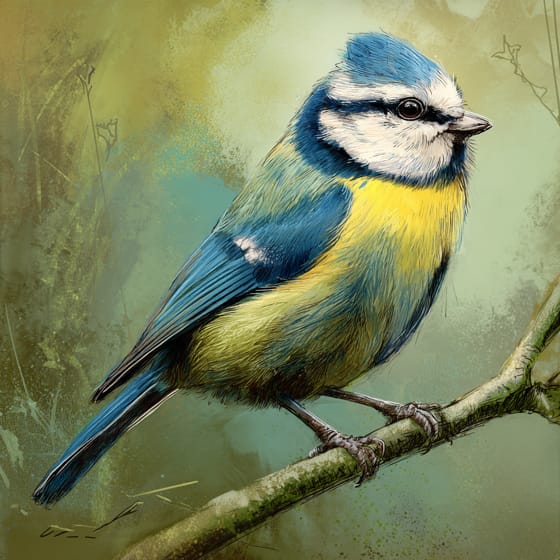
Parus caeruleus
Birds often prey on these small insects.
Misumena vatia
Spiders often ambush them on flowers and leaves.
Solitary animals live alone for most of their lives, only interacting with others for mating or parental care.
Camouflaged describes organisms that possess coloring or patterns that allow them to blend into their environment.
This trait characterizes organisms whose diet consists entirely or primarily of plant material.
Forest habitats are terrestrial environments dominated by dense tree cover, supporting a high diversity of plant and animal life.

Diurnal animals are primarily active during daylight hours, typically resting or sleeping at night.

Pertaining to species that are significantly smaller than typical or average for their kind.

Describes organisms that transfer pollen, enabling the fertilization and reproduction of plants.
No aliases listed yet.
Danger
1/5 · Very low
Always look but don't touch insects, as some can be delicate.
The easiest way to identify Phylloteras poculum is to use the Snappit nature identifier app.
8-12 mm
3-6 mm
45-75 days
8 km/h
This tiny insect munches on many types of plant leaves, helping to prune plants.
Forests
Foraging
Zoom in to split clusters and explore where this object has been snapped.
Recent snaps will appear here as new observations are added.
Take the discovery with you
Snap it with Snappit to identify it, learn what makes it special, and add the discovery to your collection.







.jpg&width=800)



