





pied tamarin
Saguinus bicolor
The pied tamarin is a small monkey with a fluffy white beard and a cute face! They love to swing through the trees and play with their friends in the rainforest.
Habitat: Rainforests
The pied tamarin has a striking appearance, featuring a mostly black body with a contrasting white or creamy-white chest, arms, and shoulders. Its hairless, black face gives it a unique, somewhat serious expression, distinguishing it from other vibrant forest monkeys.
Category
MammalsRarity
Common
Danger
1/5 · Very low
Snaps
Be the first to snap!
Pied tamarins sometimes team up with other monkey species, like squirrel monkeys, to help spot lurking predators.
Their scientific name, *Saguinus bicolor*, actually means "two-colored monkey" in Latin!
These amazing creatures are only found in a tiny area of Brazil, making them very special and rare!
When a tamarin family moves, all the grown-ups take turns carrying the babies, often the father doing most of the work!
Pied tamarins can mark their territory using special scent glands, which helps them communicate with other tamarins without even seeing them.
Pied tamarins have sharp claws and flexible joints that help them climb quickly and leap between trees, making them masters of the forest canopy.
Pied tamarins use a wide range of chirps, whistles, and trills that help them warn of predators and find family members in the dense jungle.
They munch on yummy fruits, juicy insects, and tasty flower nectar!
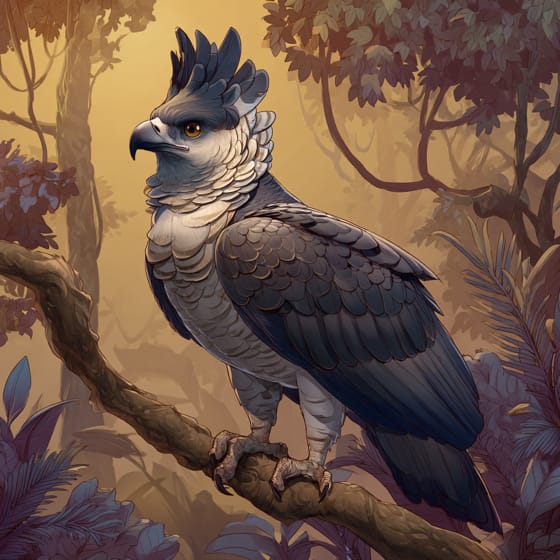
Harpia harpyja
A powerful bird of prey that hunts monkeys in the canopy.
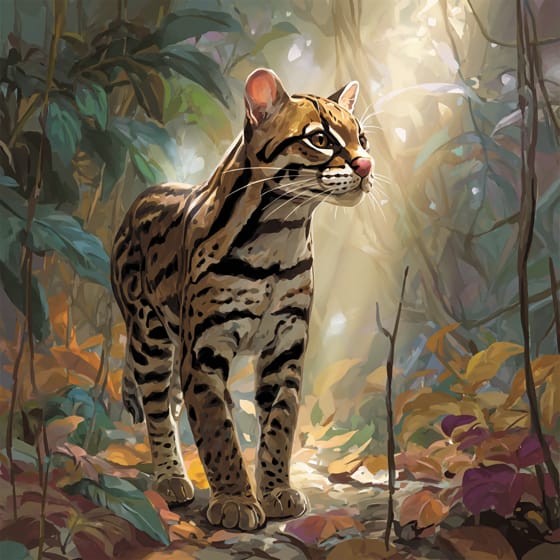
Leopardus pardalis
A nocturnal wild cat that preys on small arboreal mammals.
Ficus insipida
Tamarins feed on the fruits of this common rainforest tree.
.jpg&width=800)
Saimiri sciureus
Often forages in mixed-species groups for better predator detection.
Furry describes animals possessing a dense covering of soft hair or fur.
Social animals live in organized groups, cooperating for survival benefits such as foraging, defense, and raising offspring.
This trait identifies organisms whose diet includes both plant and animal matter.
Arboreal animals live primarily in trees, utilizing them for shelter, food, and protection from predators.

This habitat trait refers to species found in tropical rainforests, characterized by high annual rainfall, high biodiversity, and dense tree cover.

Diurnal animals are primarily active during daylight hours, typically resting or sleeping at night.

This trait identifies organisms that exhibit exceptional swiftness in movement for hunting, escape, or travel.

Endangered status indicates a species is at a very high risk of extinction in the wild in the near future.
No aliases listed yet.
Danger
1/5 · Very low
Always watch from a distance and never try to touch wild animals.
The easiest way to identify pied tamarin is to use the Snappit nature identifier app.
20-28 cm
0.3-0.45 kg
10-15 years
20 km/h
They munch on yummy fruits, juicy insects, and tasty flower nectar!
Rainforests
Foraging
Zoom in to split clusters and explore where this object has been snapped.
Recent snaps will appear here as new observations are added.
Take the discovery with you
Snap it with Snappit to identify it, learn what makes it special, and add the discovery to your collection.





.jpg&width=800)


.JPG&width=800)



.jpg&width=800)
