.jpg&width=800)





Common Squirrel Monkey
Saimiri sciureus
Common Squirrel Monkeys are playful little monkeys with bright yellow fur and long tails! They love to jump around in trees and are very social, often seen playing with their friends.
Habitat: Forests
The Common Squirrel Monkey has olive-green fur on its back and limbs, with striking white fur around its eyes forming a distinctive mask and a dark muzzle. Its underparts are often yellowish-orange, and it possesses a long, non-prehensile tail with a black tip.
Category
MammalsRarity
Common
Danger
2/5 · Low
Snaps
Be the first to snap!
Female squirrel monkeys gather together to raise their babies in a 'nursery' group!
Males can puff up their chests to look bigger, especially during mating season!
These clever monkeys sometimes follow larger capuchin monkeys to snatch leftovers!
They often form massive groups of up to 100 monkeys to forage and stay safe!
Common Squirrel Monkey can leap impressive distances between branches because of strong leg muscles and incredible agility.
Common Squirrel Monkey has a unique habit of 'urine washing' to scent-mark trails and communicate with its group.
Common Squirrel Monkey can use a complex repertoire of over 25 different calls to warn, greet, and locate others.
Common Squirrel Monkey has excellent vision and quick reflexes that help them spot tiny insects and ripe fruits.
This omnivore loves to eat a delicious mix of juicy fruits, crunchy insects, and even some flowers!
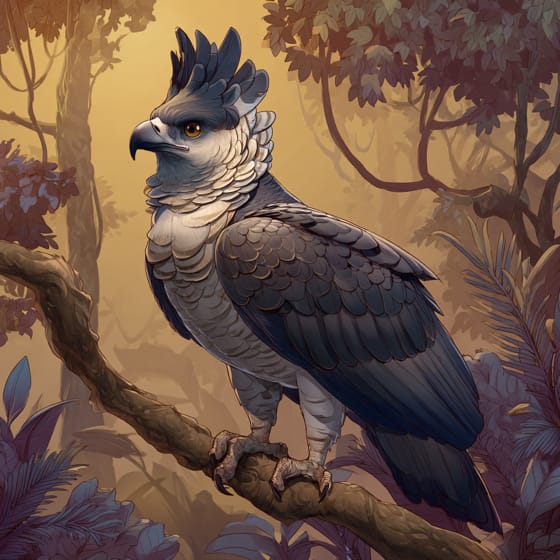
Harpia harpyja
A powerful raptor that preys on arboreal monkeys.
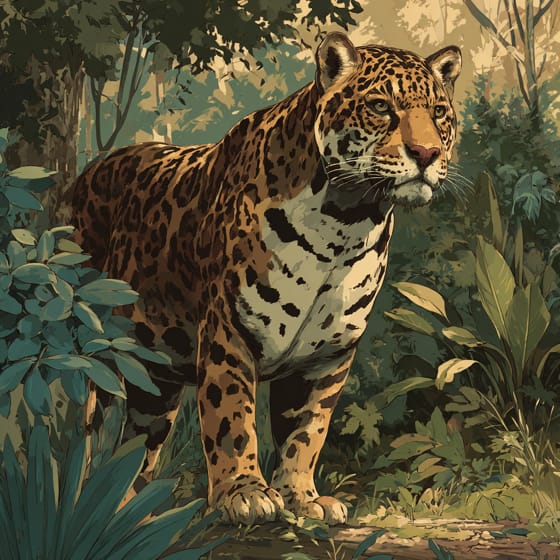
Panthera onca
A large cat that hunts them from the forest floor.
Ficus insipida
Consumes the sweet fruits of this common fig tree.
Gryllus assimilis
Forages for various insects, including crickets.
Furry describes animals possessing a dense covering of soft hair or fur.
Social animals live in organized groups, cooperating for survival benefits such as foraging, defense, and raising offspring.
This trait identifies organisms whose diet includes both plant and animal matter.
Arboreal animals live primarily in trees, utilizing them for shelter, food, and protection from predators.

Colorful describes organisms or objects displaying a wide range of bright and distinct colors.

Forest habitats are terrestrial environments dominated by dense tree cover, supporting a high diversity of plant and animal life.

Diurnal animals are primarily active during daylight hours, typically resting or sleeping at night.
No aliases listed yet.
Danger
2/5 · Low
Always watch from a distance and never try to touch wild animals.
The easiest way to identify Common Squirrel Monkey is to use the Snappit nature identifier app.
25-35 cm
0.7-1.1 kg
15-20 years
25 km/h
This omnivore loves to eat a delicious mix of juicy fruits, crunchy insects, and even some flowers!
Forests
Foraging
Zoom in to split clusters and explore where this object has been snapped.
Recent snaps will appear here as new observations are added.
Take the discovery with you
Snap it with Snappit to identify it, learn what makes it special, and add the discovery to your collection.




.jpg&width=800)

.JPG&width=800)



.jpg&width=800)
