




pignut hickory
Carya glabra
The pignut hickory is a tall tree that grows in forests. It has strong wood and produces tasty nuts that many animals love to eat!
Habitat: Forests
The pignut hickory is a tall tree with a straight trunk and a rounded crown. It has smooth gray bark when young, becoming shaggy or ridged with age. Its bright green leaves are compound, typically displaying five narrow, pointed leaflets.
Category
PlantsRarity
Common
Danger
1/5 · Very low
Snaps
2
Its compound leaves often have exactly five pointy leaflets, like a splayed hand!
Its nickname 'pignut' comes from pigs loving its small, hard-shelled nuts!
Pignut hickory wood is so strong, it was used for wagon wheels and tool handles!
This mighty tree can live for hundreds of years, making it a true forest elder!
Pignut hickory has incredibly dense and strong wood that helps it resist storms and provides sturdy material for animals seeking shelter.
This tree produces small, pear-shaped nuts, providing vital food for many forest creatures, helping them survive harsh winters.
The pignut hickory grows a very deep taproot that helps it find water deep underground and stay upright during strong winds.
Sciurus carolinensis
Feeds on its nutritious nuts

Odocoileus virginianus
Browses on young saplings and leaves
Meleagris gallopavo
Forages for fallen hickory nuts
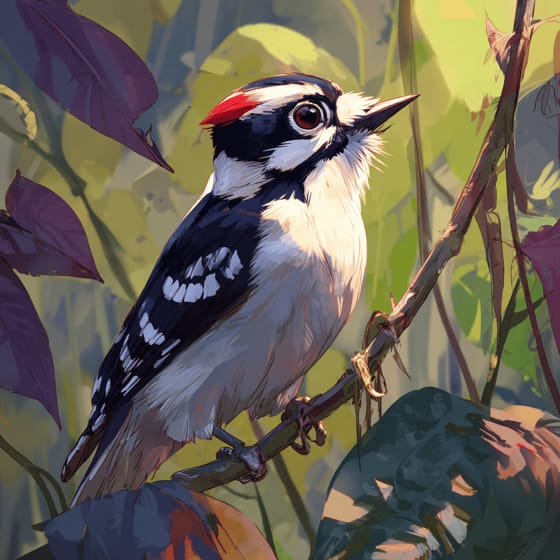
Dryobates pubescens
Forages for insects on its bark
Deciduous plants periodically shed all their leaves, typically during autumn or dry seasons.
Broadleaf trees are angiosperms characterized by flat, wide leaves that are typically shed annually in temperate climates.
Nut bearing plants produce hard-shelled fruits, commonly known as nuts, which contain a single seed and are a valuable food source.
Edible plants are those parts of a plant that are considered safe for human consumption.

Fall color refers to the seasonal change in foliage pigmentation, primarily in deciduous plants, displaying vibrant hues.
Timber refers to wood that has been prepared for use in building and carpentry.

Forest habitats are terrestrial environments dominated by dense tree cover, supporting a high diversity of plant and animal life.

This trait characterizes organisms with an exceptionally long lifespan compared to others of their kind.
No aliases listed yet.
Danger
1/5 · Very low
Be careful not to climb too high in trees, and watch out for falling nuts!
The easiest way to identify pignut hickory is to use the Snappit nature identifier app.
2000-3500 cm
900-1500 cm
5-10 cm
Spring
Yes
None
Perennial
Zoom in to split clusters and explore where this object has been snapped.
Take the discovery with you
Snap it with Snappit to identify it, learn what makes it special, and add the discovery to your collection.








.jpg&width=800)


_001.jpg&width=800)


