





Pimelia bipunctata
Pimelia bipunctata
Pimelia bipunctata is a special beetle with a shiny black body and two bright spots. These beetles love to hide under rocks and in the soil, making them fun to find during nature walks!
Habitat: Grasslands
The Pimelia bipunctata is a medium-sized, oval-shaped beetle, typically dull black or dark brown. Its hard, fused wing covers often have a rough, granular texture and sometimes two subtle, darker spots, giving it its name. Its robust body helps it survive in sandy environments.
Category
InsectsRarity
Common
Danger
1/5 · Very low
Snaps
Be the first to snap!
Instead of flying, they rely on powerful legs to scurry away from danger fast.
Some Pimelia beetles can live for several years, which is long for an insect!
Their tough body helps them walk on scorching hot desert sand without harm.
They are excellent at playing dead, freezing completely still to trick predators.
Pimelia bipunctata has a tough, dark exoskeleton that helps them endure extreme temperature changes in arid environments.
Pimelia bipunctata can quickly burrow into loose sand because its strong legs and tough body allow it to escape predators or intense heat.
Pimelia bipunctata has a special body shape that helps them collect tiny dew drops on its exoskeleton, providing much-needed water in dry places.
These beetles mostly eat dead plants and seeds found in their dry habitats.
Buthus occitanus
hunts Pimelia bipunctata in arid landscapes.
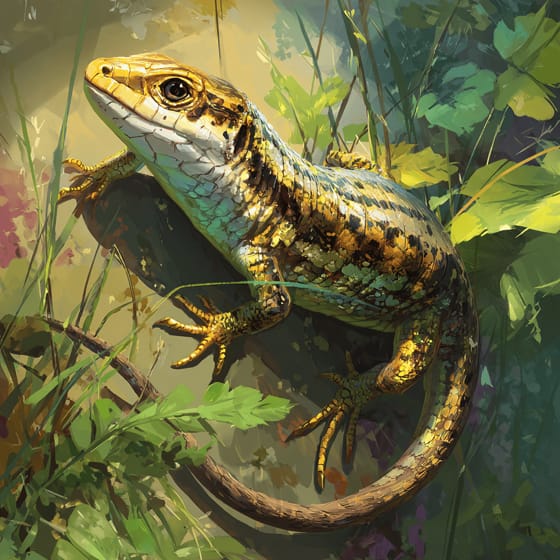
Podarcis muralis
preys on these beetles in sunny, rocky habitats.
Stipa tenacissima
consumes dead plant material and seeds from this tough grass.

Athene noctua
adds these beetles to its diverse diet in arid regions.
Marked with spots or patches of a different color.
Solitary animals live alone for most of their lives, only interacting with others for mating or parental care.
Burrowing animals dig tunnels and chambers in the ground, using these subterranean structures for shelter, hunting, or breeding.
Camouflaged describes organisms that possess coloring or patterns that allow them to blend into their environment.

Grassland habitats are terrestrial biomes dominated by grasses and herbaceous plants, supporting a variety of grazing animals.

This trait characterizes organisms whose diet consists entirely or primarily of plant material.

Describes organisms that break down dead organic material, recycling nutrients back into the ecosystem.

Nocturnal animals are primarily active during the nighttime hours, typically resting or sleeping during the day.
No aliases listed yet.
Danger
1/5 · Very low
Be gentle if you find one; they are small and can be scared easily.
The easiest way to identify Pimelia bipunctata is to use the Snappit nature identifier app.
15-25 mm
120-365 days
These beetles mostly eat dead plants and seeds found in their dry habitats.
Grasslands
Foraging
6
Zoom in to split clusters and explore where this object has been snapped.
Recent snaps will appear here as new observations are added.
Take the discovery with you
Snap it with Snappit to identify it, learn what makes it special, and add the discovery to your collection.







.jpg&width=800)




