





Pink-Masked Pyralid Moth
aglossa disciferalis
The Pink-Masked Pyralid Moth has vibrant pink and yellow patterns that make it look like a tiny work of art! These moths are great at hiding during the day and come out at night to flutter around flowers.
Habitat: Gardens, fields, and meadows
The Pink-Masked Pyralid Moth has striking yellow-orange forewings, often marked with dark spots, and a distinctive reddish or pinkish head and thorax. This vibrant coloring makes it easily recognizable among other moths, appearing as if wearing a colorful mask.
Category
InsectsRarity
Common
Danger
0/5 · No known danger
Snaps
Be the first to snap!
Its caterpillars are quite unusual; they prefer to munch on dried plants and even animal waste!
Moths like this can detect tiny vibrations in the air, helping them escape from bats!
They have special scales on their wings that absorb sound, helping them fly silently!
This moth belongs to a huge group with over 6,000 species, making them super diverse!
Pink-Masked Pyralid Moth has a pink head and thorax that may mimic a toxic flower part, deterring predators.
Pink-Masked Pyralid Moth can fly effectively in darkness because of its excellent night vision, helping it find food.
Pink-Masked Pyralid Moth can find a mate from far away using special chemical scents, even in the dark!
Pink-Masked Pyralid Moth has a long, straw-like proboscis that helps them sip nectar deep inside flowers.
As an adult, it sips nectar from flowers; its caterpillars eat dried plants and decaying matter.
Age differences: Larvae are detritivores, munching on dried plants, animal waste, or stored food; adults drink flower nectar.
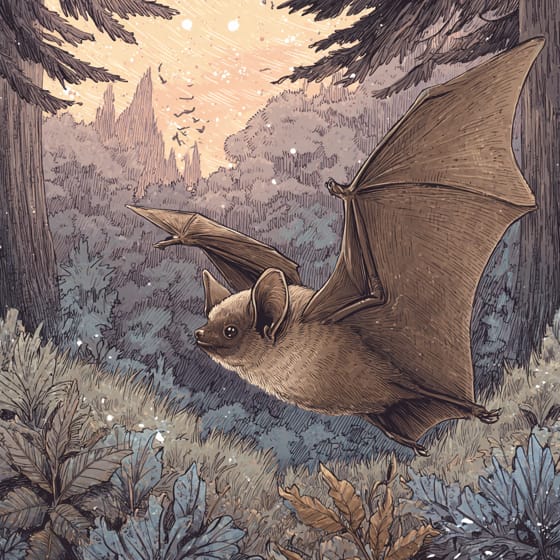
Myotis lucifugus
Bats are nocturnal predators that hunt moths at night.
Lonicera sempervirens
Visits tubular flowers to drink nectar, helping pollination.
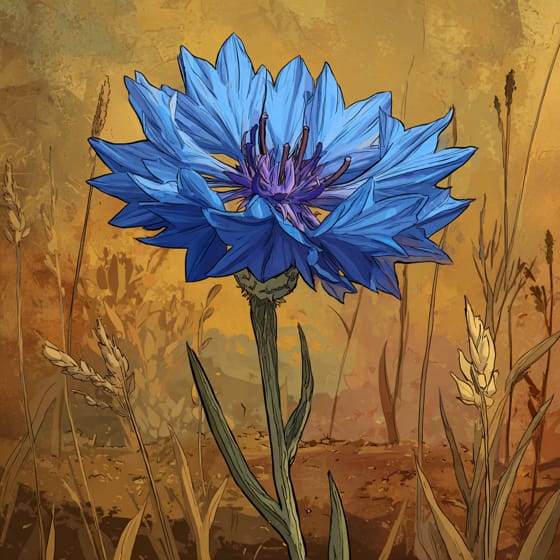
Zea mays
Its caterpillars can sometimes feed on stored dry corn products.
Formica rufa
Ants may prey on eggs or slow-moving caterpillars.
Solitary animals live alone for most of their lives, only interacting with others for mating or parental care.
Colorful describes organisms or objects displaying a wide range of bright and distinct colors.
This trait characterizes organisms whose diet consists entirely or primarily of plant material.
Nocturnal animals are primarily active during the nighttime hours, typically resting or sleeping during the day.

Describes organisms that transfer pollen, enabling the fertilization and reproduction of plants.
Danger
0/5 · No known danger
No special safety notes yet.
The easiest way to identify Pink-Masked Pyralid Moth is to use the Snappit nature identifier app.
25-40 mm
10-25 mm
10-25 days
As an adult, it sips nectar from flowers; its caterpillars eat dried plants and decaying matter.
Gardens, fields, and meadows
Foraging
6
Zoom in to split clusters and explore where this object has been snapped.
Recent snaps will appear here as new observations are added.
Take the discovery with you
Snap it with Snappit to identify it, learn what makes it special, and add the discovery to your collection.









.jpg&width=800)



