

Pink Sundew
drosera capillaris
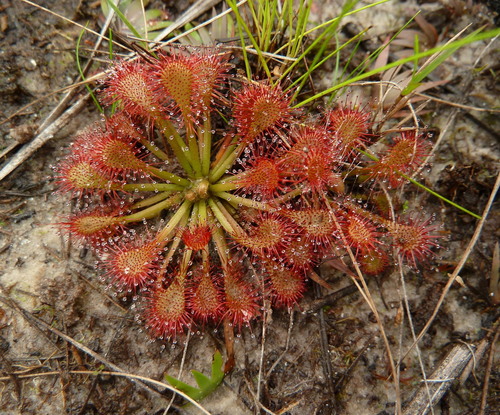
The Pink Sundew (Drosera capillaris) is a fascinating miniature carnivorous plant that adds a touch of deadly beauty to acidic bogs and wet pine flatwoods. Known for its glittering, dew-covered leaves, this species belongs to a remarkable group of plants that have adapted to nutrient-poor soils by turning the tables on the animal kingdom. Rather than relying solely on the soil for sustenance, the Pink Sundew supplements its diet by trapping and digesting tiny insects. Despite its small stature—often no larger than a coin—it is a formidable predator in the micro-world. When sunlight catches the sticky mucilage on its leaves, the plant sparkles like a tiny jewel, luring unsuspecting gnats and flies to their doom. This delicate balance of visual allure and lethal efficiency makes the Pink Sundew a captivating subject for botanists and nature enthusiasts alike.
Habitat: Typically found in highly acidic, nutrient-poor wetland environments such as peat bogs, wet pine flatwoods, and damp sandy savannas.
The Pink Sundew forms a flat, ground-hugging basal rosette of small, spatulate (spoon-shaped) leaves, typically measuring only 2 to 4 centimeters in diameter. Its leaves range in color from pale lime green to deep crimson depending on their exposure to direct sunlight. The leaf blades are densely covered with hair-like red tentacles, each tipped with a glistening droplet of clear-to-pink sticky mucilage. During its blooming season, it produces a tall, slender flower stalk that rises several centimeters above the sticky leaves to bear tiny, five-petaled pink or white flowers.
Category
PlantsRarity
Common
Danger
1/5 · Very low
Snaps
1
Charles Darwin was famously obsessed with sundews, once writing that he cared more about the Drosera genus than the origin of all the species in the world.
The 'dew' on the Pink Sundew isn't water at all, but a complex biological glue strong enough to trap struggling insects.
To prevent eating its own pollinators, the Pink Sundew cleverly grows its flowers on a long stalk high above its deadly, sticky leaves.
Secretes a sticky, sweet-smelling glandular fluid that mimics morning dew to lure and trap small insects.
Possesses the ability to slowly curl its tentacles and leaves around captured prey, maximizing the surface area in contact with the insect.
Produces specialized digestive enzymes, such as proteases and phosphatases, to dissolve insect exoskeletons and absorb essential nutrients directly through its leaves.
Supplements its nutrient-poor soil environment by passively trapping, killing, and digesting small flying and crawling insects.
Bradysia impatiens
The Pink Sundew regularly catches and digests small winged insects that inhabit its damp environment.
_0120.JPG&width=800)
Sphagnum spp.
Often grows alongside and competes for light and space with various wetland mosses in bog habitats.
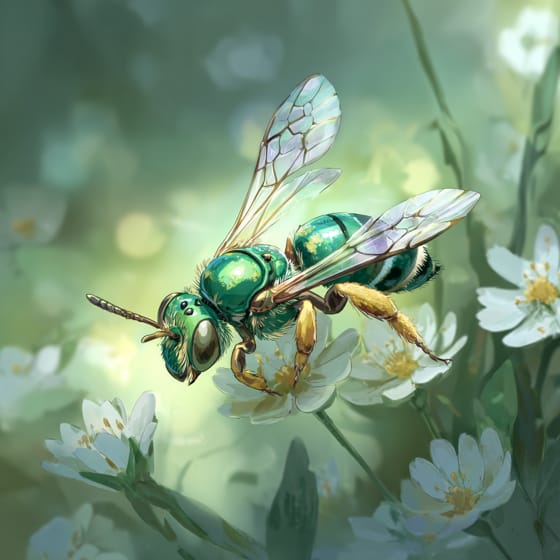
Lasioglossum spp.
Small bees visit the tall flowers for nectar and serve as pollinators, remaining safely out of reach of the sticky leaves.
No trait badges are assigned for this object yet.
No aliases listed yet.
Collections for this object will appear here as more themes are added.
Danger
1/5 · Very low
No special safety notes yet.
The easiest way to identify Pink Sundew is to use the Snappit nature identifier app.
1-4 cm
1-5 years
Supplements its nutrient-poor soil environment by passively trapping, killing, and digesting small flying and crawling insects.
Typically found in highly acidic, nutrient-poor wetland environments such as peat bogs, wet pine flatwoods, and damp sandy savannas.
Ambush
Zoom in to split clusters and explore where this object has been snapped.
Florida, US
You might spot Pink Sundew, Drooping Forked Fern, and Netted Pawpaw.
View guide →

Florida, US
You might spot Yellow Pitcher Plant and Parrot Pitcher Plant.
View guide →

Florida, US
You might spot Lady Lupine, Woolly Pawpaw, and Tarflower.
View guide →
Take the discovery with you
Snap it with Snappit to identify it, learn what makes it special, and add the discovery to your collection.











.jpg&width=800)



_001.jpg&width=800)




