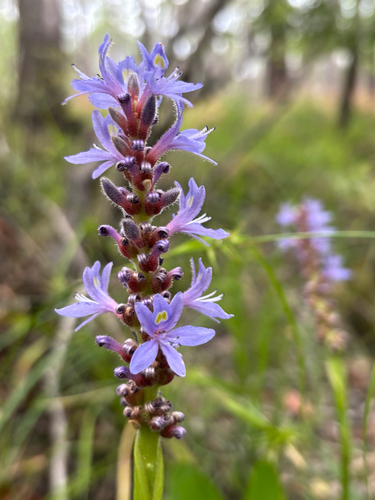





Apr 19, 2026
i
Photo attribution
no rights reserved
License: CC0 1.0 ↗
Image may be shown cropped inside the card frame.

Dead Lakes Park offers a hauntingly beautiful landscape of cypress skeletons and thriving wildlife.
Dead Lakes Park offers a hauntingly beautiful landscape of cypress skeletons and thriving wildlife. This unique Gulf County park serves as a gateway to the mesmerizing 6,700-acre Dead Lakes, an extraordinary natural phenomenon in Florida's Panhandle. The "dead" trees—a striking "graveyard" of bottom-heavy cypress skeletons, stumps, and knees—create a surreal, otherworldly environment, where dark tannic waters reflect the dramatic silhouettes of the past. Despite its somber name, the area is brimming with life, offering an unspoiled expanse of nature for exploration and relaxation.
The park's diverse habitats support an array of flora and fauna, making it a paradise for nature enthusiasts. Visitors can witness majestic bald cypress and Tupelo trees still standing tall, alongside Longleaf Pines dominating the uplands and Sweetbay Magnolias gracing the wetlands. The Dead Lakes are also home to a vibrant ecosystem, where observant eyes might spot alligators lurking in the waters, white-tailed deer roaming the shores, or graceful osprey and even eagles soaring overhead and roosting on branches.
Dead Lakes Park promises an unforgettable adventure, blending serene natural beauty with ample recreational opportunities. Whether you're casting a line for trophy bass, paddling through ancient cypress stands, or simply capturing the stunning scenery with your camera, the park provides a distinctive Florida experience. Its mysterious charm and rich biodiversity ensure a memorable visit, inviting guests to connect deeply with an environment unlike any other. Don't forget to bring the Snappit nature identification app along to scan local species.
The unique formation of the Dead Lakes is a tale of natural hydrology. The lakes were reportedly formed when sand bars created by the Apalachicola River's current blocked the Chipola River, leading to a significant rise in water levels. This inundation caused the death of thousands of trees in the floodplain, particularly cypress and tupelo, leaving behind the distinctive skeletal landscape that gives the area its name. The land now known as Dead Lakes Park has a history of conservation and recreation. It was utilized as a fish hatchery by the Florida Fish and Wildlife Conservation Commission from 1936 to 1951. In 1974, the Florida Department of Natural Resources leased 83 acres for use as the Dead Lakes State Recreation Area. The recreation area was later removed from the State Park system in 2003 and subsequently managed by Gulf County, becoming known as Dead Lakes Park around 2014. The area experienced significant impact from Hurricane Michael in 2018, affecting some of its ancient trees and infrastructure, but efforts have been made to restore and maintain its offerings.
Boating and Kayaking: Navigate through the intricate channels lined with cypress stumps and enjoy the serene waters. Kayak rentals may be available at local facilities.
* **Fishing: ** Dead Lakes is renowned for its fishing. Target largemouth bass, bluegill (bream), redear sunfish (shellcracker), black crappie (specks), and various catfish species. Several fishing piers are available.
* **Wildlife Viewing: ** Keep an eye out for alligators, white-tailed deer, raccoons, and a variety of birdlife, including osprey and eagles, often perched on the skeletal trees.
* **Hiking: ** Explore trails that meander through the uplands featuring longleaf pines and bordering wetlands.
* **Camping: ** Dead Lakes offers RV campsites with full hookups and designated tent areas.
While spring and fall are prime, summer offers warmer waters for swimming and longer daylight hours, though it can be hot and humid. Winter is cooler and quieter, with bass fishing picking up from late winter into spring. Boaters should exercise caution due to fluctuating water levels and numerous submerged stumps and snags.
The park offers boat ramps, picnic tables, restrooms, and showers. RV campsites are spacious. Pets are welcome on leash.
The hauntingly beautiful cypress tree skeletons rising from the dark waters, exceptional freshwater fishing, and opportunities for wildlife observation. The boat ramps provide easy access to the sprawling Dead Lakes.
Each card links to a full Explore page with photos, traits, and fun facts.
We are still adding species preview cards for this place.
Start with the big picture, then zoom in to explore individual wildlife observations around this place.
Exercise caution while boating
The Dead Lakes are filled with cypress snags and stumps, some submerged, which can be challenging for navigation. Always idle in unfamiliar areas and watch water levels closely.
Bring your fishing license
Ensure you have a valid Florida fishing license if you plan to fish. Check the Florida Fish and Wildlife Conservation Commission's website for current regulations.
Pack insect repellent
As a wetlands area in Florida, mosquitoes and other insects can be prevalent, especially during warmer months or around dawn and dusk.
Capture the unique scenery
The skeletal cypress trees, reflective waters, and diverse wildlife provide incredible photography opportunities. A wide-angle lens can be great for landscapes, and a telephoto for wildlife.
Explore by paddle
Renting a kayak or canoe is an excellent way to intimately explore the quieter coves and channels of the Dead Lakes, offering close-up views of the unique environment and wildlife.
Visit in the morning
Early mornings often offer calmer waters for paddling and fishing, better chances for wildlife sightings, and the soft, diffused light is ideal for photography.
Apr 19, 2026
Photo attribution
no rights reserved
License: CC0 1.0 ↗
Image may be shown cropped inside the card frame.
Apr 19, 2026
Photo attribution
no rights reserved
License: CC0 1.0 ↗
Image may be shown cropped inside the card frame.
Apr 19, 2026
Photo attribution
no rights reserved
License: CC0 1.0 ↗
Image may be shown cropped inside the card frame.
Mar 21, 2026
Photo attribution
(c) Arturo Santos, some rights reserved (CC BY)
License: CC BY 4.0 ↗
Image may be shown cropped inside the card frame.
Mar 21, 2026
Photo attribution
(c) rainbowkitten, some rights reserved (CC BY)
License: CC BY 4.0 ↗
Image may be shown cropped inside the card frame.

Maryland, US
You might spot White-Tailed Deer and Eastern Gray Squirrel.
View guide →
.jpg)
District of Columbia, US
You might spot Eastern Gray Squirrel, Duck, and House Sparrow.
View guide →

Illinois, US
You might spot American Robin, Canada Goose, and House Sparrow.
View guide →

Virginia, US
You might spot Spotted Lanternfly and Northern Cardinal.
View guide →
Take the discovery with you
Identify the wildlife you spot, learn as you go, and keep a collection of the adventure.