





Virginia strawberry
Fragaria virginiana
Virginia strawberries are small, sweet fruits that grow close to the ground. They are bright red and delicious, perfect for snacking or making yummy treats!
Habitat: Grasslands
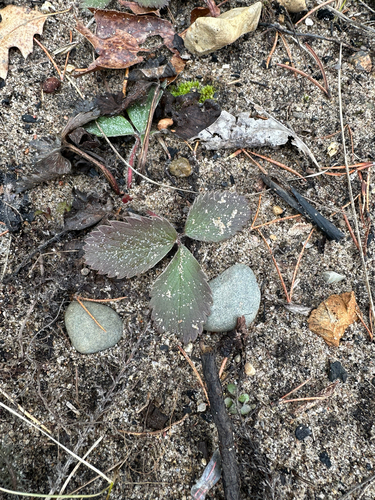
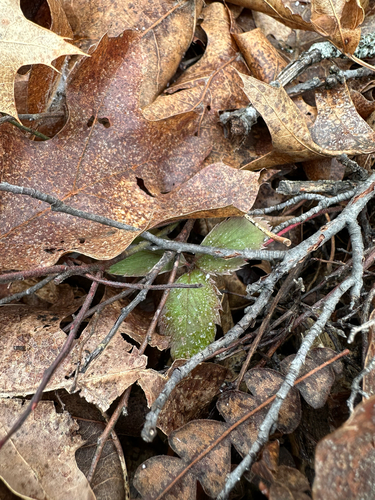
The Virginia strawberry has glossy green leaves with three leaflets, often hairy stems, and small white flowers. Its bright red, heart-shaped fruits grow close to the ground, appearing smaller than garden strawberries. Its seeds are visible as tiny specks on the fruit's surface.
Category
PlantsRarity
Common
Danger
1/5 · Very low
Snaps
23
Even though it's called a 'strawberry,' botanically it's not a true berry!
Indigenous peoples used its leaves for tea and fruit for food and medicine.
This wild plant is a parent of the big strawberries you eat today!
Unlike most fruits, its tiny seeds grow *outside* on the red, fleshy part!
Virginia strawberry can send out 'runners' called stolons to quickly grow new plants, spreading across wide areas.
Virginia strawberry has sweet, edible fruit that attracts animals, who then help scatter its tiny seeds far and wide.
Virginia strawberry has tough leaves and roots that allow it to survive freezing temperatures and even grow under snow.
Apis mellifera
Visits flowers to collect nectar and pollen.
.JPG&width=800)
Sylvilagus floridanus
Feeds on the leaves and sometimes the fruits.
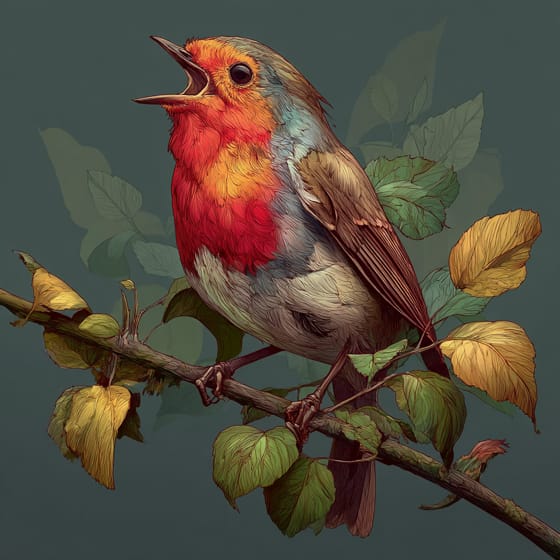
Turdus migratorius
Eats the ripe red fruits, dispersing the seeds.
Bombus impatiens
Important pollinator for its small white flowers.
Deciduous plants periodically shed all their leaves, typically during autumn or dry seasons.
Flowering plants are any plants that produce flowers as part of their reproductive cycle.
Fruit-bearing plants produce fruits, which are the mature ovaries of flowering plants containing seeds.
This human use trait describes species cultivated or domesticated by humans for agricultural purposes, including crops and livestock.

Edible plants are those parts of a plant that are considered safe for human consumption.

Grassland habitats are terrestrial biomes dominated by grasses and herbaceous plants, supporting a variety of grazing animals.

Describes plants that are particularly attractive and beneficial to a wide range of pollinating organisms.

Rapid growing plants exhibit accelerated growth rates, quickly increasing in size and biomass within a short period.
No aliases listed yet.
Danger
1/5 · Very low
Always wash strawberries before eating them to keep them clean and safe.
The easiest way to identify Virginia strawberry is to use the Snappit nature identifier app.
5-20 cm
20-60 cm
1-2 cm
Spring
Yes
None
Perennial
Zoom in to split clusters and explore where this object has been snapped.
Apr 1, 2026
Five Channels DamPhoto attribution
(c) jyoung2399, some rights reserved (CC BY)
License: CC BY 4.0 ↗
Image may be shown cropped inside the card frame.
Apr 1, 2026
Five Channels DamPhoto attribution
(c) jyoung2399, some rights reserved (CC BY)
License: CC BY 4.0 ↗
Image may be shown cropped inside the card frame.

Pennsylvania, US
You might spot Pinesap, Great Rhododendron, and Mountain Laurel.
View guide →

Vermont, US
You might spot Eastern White Pine, Staghorn Sumac, and Box Elder.
View guide →

Michigan, US
You might spot Eastern Skunk Cabbage and Kirtland's Warbler.
View guide →

Alaska, US
You might spot Sandhill Crane, Fireweed, and Prickly Wild Rose.
View guide →

Colorado, US
You might spot Rocky Mountain Marsh-Marigold and American Bistort.
View guide →

Colorado, US
You might spot Fireweed, Scentless Mayweed, and Quaking Aspen.
View guide →
Take the discovery with you
Snap it with Snappit to identify it, learn what makes it special, and add the discovery to your collection.







.jpg&width=800)



_001.jpg&width=800)



