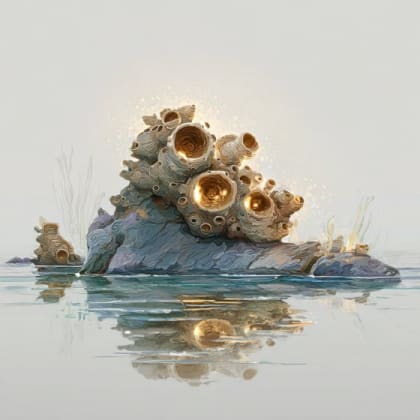
Eastern Crayfish
cambarus bartonii
The Eastern Crayfish is a fascinating creature that lives underwater! Its pincers help it catch food and defend itself from predators.
Habitat: Freshwater rivers, lakes, and ponds
The Eastern Crayfish has a robust, reddish-brown to dark olive body, often with mottling. It has two prominent claws and ten walking legs, and a smoother carapace compared to some other crayfish species.
Category
InvertebrateRarity
Common
Danger
1/5 · Very low
Snaps
Be the first to snap!
A group of crayfish is sometimes called a "waddle" or a "colony"!
Some Eastern Crayfish can live for up to five years!
Their blood isn't red; it's clear or bluish because it lacks hemoglobin!
They breathe underwater using feathery gills, just like fish!
Eastern Crayfish can rapidly flip their tails to dart backward through water, helping them escape predators quickly.
Eastern Crayfish can regenerate lost limbs, like claws or legs, allowing them to recover from injuries and continue thriving.
Eastern Crayfish can dig complex burrows in mud or sand, which provides safe shelter from predators and harsh conditions.
Eastern Crayfish has excellent low-light vision and is more active at night, allowing it to forage for food undetected.
These busy omnivores munch on tiny plants, algae, insects, and decaying bits they find in the water.

Procyon lotor
A frequent meal for hungry raccoons.
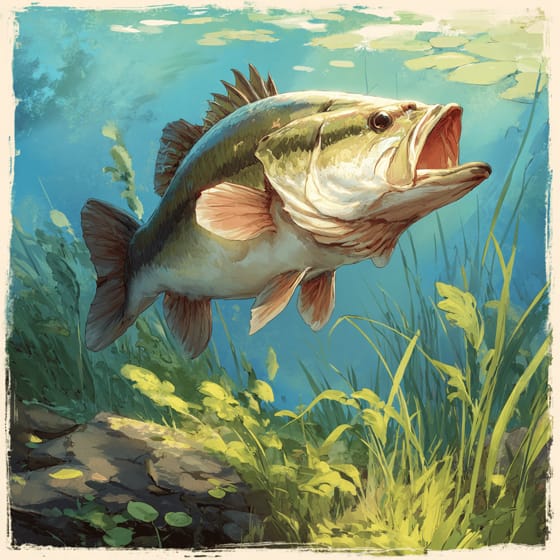
Micropterus salmoides
A common prey item for freshwater game fish.
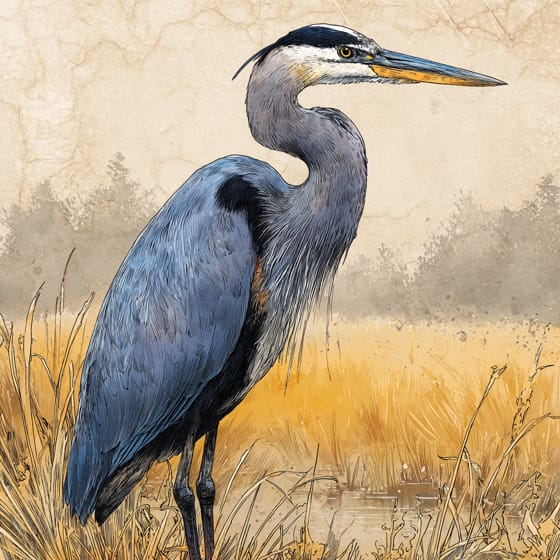
Ardea herodias
Wading birds often hunt them in shallow waters.
Stenonema modestum
Feeds on these tiny aquatic insect larvae.
Cladophora glomerata
Grazes on various forms of aquatic plant life.
Solitary animals live alone for most of their lives, only interacting with others for mating or parental care.
Camouflaged describes organisms that possess coloring or patterns that allow them to blend into their environment.
This trait identifies organisms whose diet consists entirely or primarily of animal tissue.
Diurnal animals are primarily active during daylight hours, typically resting or sleeping at night.

Aquatic habitats encompass environments where organisms live predominantly in water, including oceans, rivers, lakes, and wetlands.
Danger
1/5 · Very low
Always wash your hands after touching a crayfish.
The easiest way to identify Eastern Crayfish is to use the Snappit nature identifier app.
7 cm
35 g
4 years
These busy omnivores munch on tiny plants, algae, insects, and decaying bits they find in the water.
Freshwater rivers, lakes, and ponds
Foraging
300
Zoom in to split clusters and explore where this object has been snapped.
Recent snaps will appear here as new observations are added.
Take the discovery with you
Snap it with Snappit to identify it, learn what makes it special, and add the discovery to your collection.