





Podarcis lusitanicus
Podarcis lusitanicus
The Lusitanian wall lizard is a small, colorful reptile that loves to bask in the sun. It has a long body and can run quickly to escape from danger.
Habitat: Coastal areas
The Podarcis lusitanicus is a slender lizard, typically brownish or greyish, often with faint darker spots or stripes along its back. Males can sometimes show a greenish tinge on their sides or head, and their bellies are whitish to yellowish.
Category
ReptilesRarity
Common
Danger
1/5 · Very low
Snaps
Be the first to snap!
Lusitanian wall lizards have excellent eyesight to spot even the smallest insects from afar!
Males do push-ups to show off and defend their territory from other lizards!
These tiny lizards often choose to lay their eggs underground, keeping them safe and warm!
They are cold-blooded, meaning their body temperature changes with the air around them!
Podarcis lusitanicus can detach its tail if caught, which wiggles to distract predators while the lizard flees to safety.
Podarcis lusitanicus uses sunlight to warm its body, which helps them gain energy for quick bursts of movement and hunting.
Podarcis lusitanicus has varied patterns that help it blend perfectly into rocks, walls, and leaf litter, hiding from watchful eyes.
These speedy lizards primarily feast on small invertebrates they find scurrying about.
Formica rufa
preys on small ant species found on the ground.
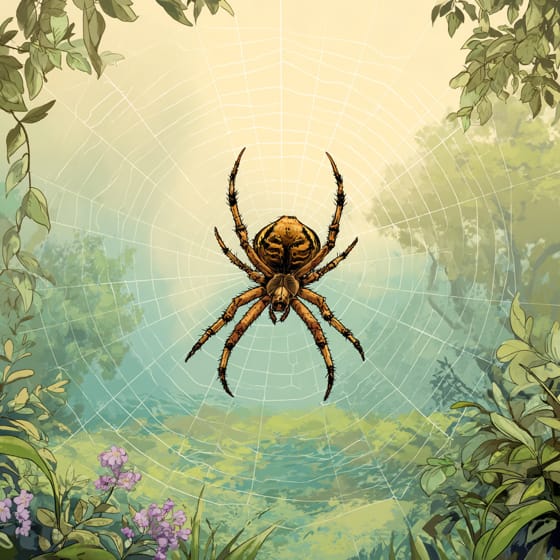
Araneus diadematus
catches spiders that venture within its reach.
Malpolon monspessulanus
a common snake predator in its native range.
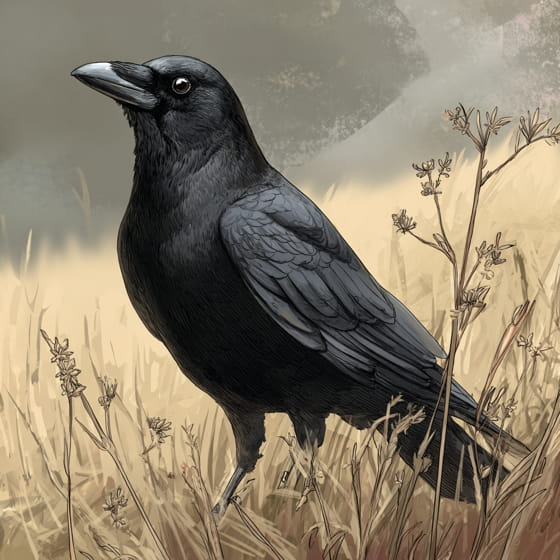
Corvus corone
opportunistic birds that prey on small reptiles.
Camouflaged describes organisms that possess coloring or patterns that allow them to blend into their environment.
Colorful describes organisms or objects displaying a wide range of bright and distinct colors.
This trait identifies organisms whose diet primarily consists of insects and other small invertebrates.
Coastal habitats are dynamic environments located along the interface between land and sea, influenced by tides, waves, and saltwater.

Diurnal animals are primarily active during daylight hours, typically resting or sleeping at night.

This trait identifies organisms that exhibit exceptional swiftness in movement for hunting, escape, or travel.
No aliases listed yet.
Danger
1/5 · Very low
If you see a lizard, watch it from a distance and don't try to touch it.
The easiest way to identify Podarcis lusitanicus is to use the Snappit nature identifier app.
12-20 cm
0.002-0.008 kg
3-8 years
12 km/h
These speedy lizards primarily feast on small invertebrates they find scurrying about.
Coastal areas
Foraging
Zoom in to split clusters and explore where this object has been snapped.
Recent snaps will appear here as new observations are added.
Take the discovery with you
Snap it with Snappit to identify it, learn what makes it special, and add the discovery to your collection.













