_Tethea_or_-_Boskovice_Czech_Republic-_Male.jpg&width=800)





Poplar Lutestring
Tethea or
The Poplar Lutestring is a beautiful moth that loves to rest on tree bark. Its soft, fuzzy wings help it blend in with nature, making it hard for predators to spot!
Habitat: Forests
The Poplar Lutestring is a medium-sized moth with greyish-brown forewings intricately patterned with white, black, and orange-brown lines that form a distinctive 'O' shape. Its camouflaged wings make it appear like a knot or lichen on tree bark, differing from plain brown moths.
Category
InsectsRarity
Common
Danger
1/5 · Very low
Snaps
Be the first to snap!
Poplar Lutestring caterpillars build a cozy cocoon using silk and leaves!
Their scientific name, 'or', comes from the 'O' mark on their wings!
This moth can have two generations in one year, meaning twice the moths!
Wow, they spend most of their life as a caterpillar, munching leaves!
Poplar Lutestring has forewings that perfectly mimic bark patterns, helping them blend seamlessly with tree trunks to hide from predators.
Poplar Lutestring can sense bat echolocation using special ear organs, allowing them to take evasive action and avoid being caught.
Poplar Lutestring uses invisible chemical signals called pheromones to attract mates across distances, ensuring they can find each other.
As caterpillars, they munch on tree leaves, but adult moths do not eat!
Age differences: Adult moths do not feed, relying on energy stored as a caterpillar; caterpillars are herbivores.
Populus tremula
Its caterpillars feed on the leaves of this tree.
Salix caprea
Another key food source for caterpillars.
Nyctalus noctula
Bats are major predators, catching adult moths.
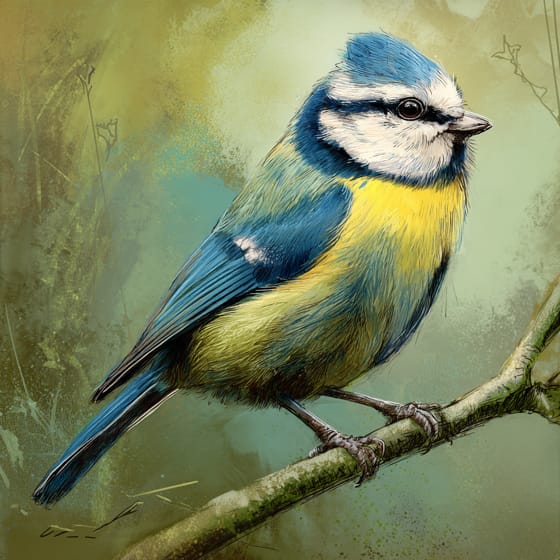
Cyanistes caeruleus
Young birds feed on the protein-rich caterpillars.
Furry describes animals possessing a dense covering of soft hair or fur.
Camouflaged describes organisms that possess coloring or patterns that allow them to blend into their environment.
This trait characterizes organisms whose diet consists entirely or primarily of plant material.
Forest habitats are terrestrial environments dominated by dense tree cover, supporting a high diversity of plant and animal life.

Nocturnal animals are primarily active during the nighttime hours, typically resting or sleeping during the day.

Describes organisms that transfer pollen, enabling the fertilization and reproduction of plants.
No aliases listed yet.
Danger
1/5 · Very low
Moths are safe to observe, but it's best to watch them from a distance.
The easiest way to identify Poplar Lutestring is to use the Snappit nature identifier app.
33-38 mm
15-20 mm
7-14 days
5-10 km/h
As caterpillars, they munch on tree leaves, but adult moths do not eat!
Forests
Grazing
Zoom in to split clusters and explore where this object has been snapped.
Recent snaps will appear here as new observations are added.
Take the discovery with you
Snap it with Snappit to identify it, learn what makes it special, and add the discovery to your collection.







.jpg&width=800)



