Powdered Ruffle Lichen
parmotrema hypotropum
The Powdered Ruffle Lichen is a fascinating plant that looks like a soft, ruffled blanket! It often grows on rocks and trees, adding a touch of color to nature.
Habitat: It lives on rocks and trees in forests and coastal areas.
The Powdered Ruffle Lichen is a flat, leafy lichen with a distinctive ruffled or wavy edge. Its upper surface is typically greenish-gray, often with a powdery, bluish-white dusting called soredia. The underside is dark brown to black, contrasting with pale, unbranched rhizines, which helps distinguish it.
Category
FungiRarity
Common
Danger
0/5 · No known danger
Snaps
1
It grows incredibly slowly, sometimes only a tiny bit each year!
Lichens are a super team of a fungus and algae working together to survive!
Some tiny insects and snails love to munch on this amazing lichen!
This lichen can make its own food using sunlight, just like a plant!
Powdered Ruffle Lichen can only thrive in clean air, so its presence means the environment is healthy!
Powdered Ruffle Lichen releases special acids that slowly break down rocks, helping create new soil.
Powdered Ruffle Lichen can dry out completely and rehydrate when wet, surviving long dry spells.
Trebouxia erici
provides food for the lichen through photosynthesis.
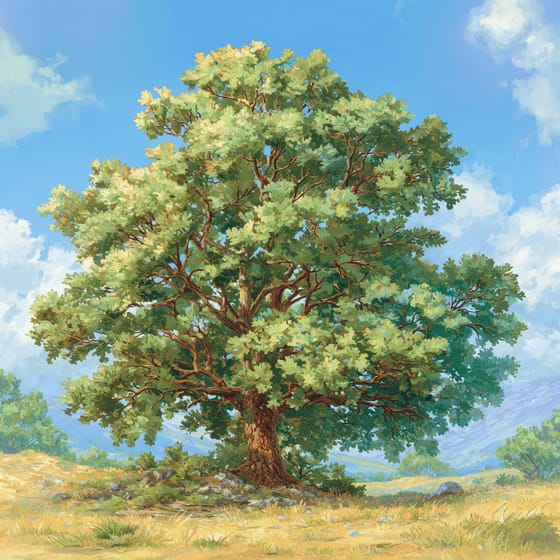
Quercus alba
often grows on its bark for support and sunlight.

Arion ater
a common slug species that sometimes munches on its thallus.

Poecile carolinensis
weaves pieces of this lichen into its cozy nest for camouflage.
Colorful describes organisms or objects displaying a wide range of bright and distinct colors.
Describes organisms that break down dead organic material, recycling nutrients back into the ecosystem.
Forest habitats are terrestrial environments dominated by dense tree cover, supporting a high diversity of plant and animal life.
Coastal habitats are dynamic environments located along the interface between land and sea, influenced by tides, waves, and saltwater.

Diurnal animals are primarily active during daylight hours, typically resting or sleeping at night.
Danger
0/5 · No known danger
No special safety notes yet.
The easiest way to identify Powdered Ruffle Lichen is to use the Snappit nature identifier app.
0.5-2 cm
5-20 cm
No
None
Perennial
It lives on rocks and trees in forests and coastal areas.
Zoom in to split clusters and explore where this object has been snapped.
Take the discovery with you
Snap it with Snappit to identify it, learn what makes it special, and add the discovery to your collection.