_(33030160105).png&width=800)





Pseudocistela ceramboides
Pseudocistela ceramboides
Pseudocistela ceramboides is a special type of beetle that loves to hide under bark and wood. It has a shiny body and is often found in forests, making it a fun little critter to discover!
Habitat: Forests
The Pseudocistela ceramboides is an elongated beetle, typically dark brown to black, often with a subtle reddish or metallic sheen. Its body is somewhat flattened, and it has distinctive segmented antennae, making it stand out from many rounder beetles.
Category
InsectsRarity
Common
Danger
1/5 · Very low
Snaps
Be the first to snap!
Despite its name, it's not related to true longhorn beetles, which look similar!
Its larvae are like tiny forest recyclers, living inside decaying logs for years.
Sometimes, you can find them hanging out on flowers, enjoying some sweet nectar.
This beetle is a "xylophagous" insect, meaning it loves to eat wood!
Pseudocistela ceramboides can break down dead wood because of its strong mandibles and specialized digestion that helps recycle nutrients.
Pseudocistela ceramboides has a tough, shell-like exoskeleton that helps protect its soft body from predators and bumps.
Pseudocistela ceramboides can blend in with tree bark because of its dark, often textured body, which helps them hide from hungry birds.
This beetle mostly dines on decaying wood and fungi, helping to clean up the forest!
Age differences: Larvae primarily eat decaying wood, while adults may also supplement their diet with fungi, pollen, and nectar.
Quercus robur
Larvae develop within its decaying wood.
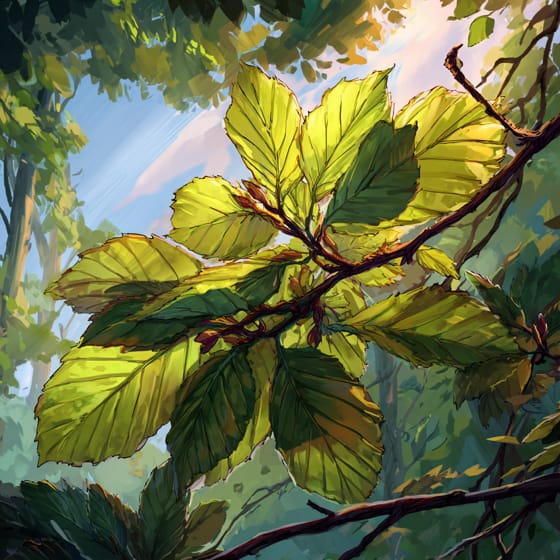
Fagus sylvatica
Larvae often feed on its dead wood.
%2C_Parc_de_Woluw%C3%A9%2C_Brussels_(13042792905).jpg&width=800)
Parus major
Adults and larvae can be prey for insectivorous birds.
Solitary animals live alone for most of their lives, only interacting with others for mating or parental care.
Camouflaged describes organisms that possess coloring or patterns that allow them to blend into their environment.
This trait characterizes organisms whose diet consists entirely or primarily of plant material.
Describes organisms that break down dead organic material, recycling nutrients back into the ecosystem.

Forest habitats are terrestrial environments dominated by dense tree cover, supporting a high diversity of plant and animal life.

Pertaining to species that are significantly smaller than typical or average for their kind.

Nocturnal animals are primarily active during the nighttime hours, typically resting or sleeping during the day.
No aliases listed yet.
Danger
1/5 · Very low
Always look at insects from a distance and don’t touch them unless you have an adult's help.
The easiest way to identify Pseudocistela ceramboides is to use the Snappit nature identifier app.
10-20 mm
5-10 mm
60-120 days
This beetle mostly dines on decaying wood and fungi, helping to clean up the forest!
Forests
Foraging
6
Zoom in to split clusters and explore where this object has been snapped.
Recent snaps will appear here as new observations are added.
Take the discovery with you
Snap it with Snappit to identify it, learn what makes it special, and add the discovery to your collection.








.jpg&width=800)



