





Grass Flies
Chloropinae
Grass flies are small, shiny insects that love to buzz around grassy areas. They are often seen flitting about in the sunshine, making them fun to watch!
Habitat: Grasslands
The Grass Flies is a tiny insect, often shiny green or yellow with dark stripes on its body. It has clear wings and large, often reddish eyes. Its small size and prominent triangular scutellum help distinguish it from other small flies.
Category
InsectsRarity
Common
Danger
1/5 · Very low
Snaps
Be the first to snap!
Certain Grass Fly species lay their eggs inside other insect or spider egg sacs!
One species, the frit fly, can destroy entire fields of grain crops like wheat!
Some tiny Grass Fly larvae eat fungus, helping clear rotting plants!
They use their amazing eyesight to spot the smallest drops of sweet honeydew on leaves.
Grass Flies larvae can burrow inside plant stems for protection and to feed, helping them grow safely.
Adult Grass Flies have mouthparts that help them sip sugary honeydew, a sweet treat from aphids.
Some Grass Flies larvae are predatory, hunting aphids and other small insect pests on plants.
Adults sip sweet plant juices, while larvae munch on plants or other insects, making them quite diverse.
Age differences: Larvae often feed inside plant stems or roots, sometimes preying on other insects, while adults consume sugary liquids from plants.
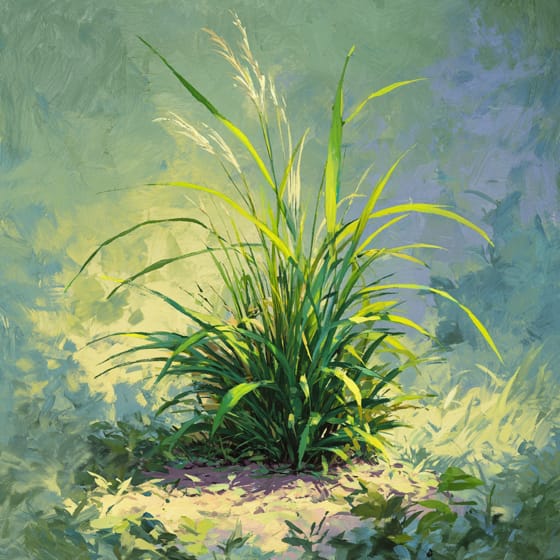
Poa pratensis
Larvae burrow into grass stems for food and shelter.
Rhopalosiphum padi
Some Grass Fly larvae are predators of these common aphids.
%2C_Parc_de_Woluw%C3%A9%2C_Brussels_(13042792905).jpg&width=800)
Parus major
Adult Grass Flies are a common food source for small insect-eating birds.
Social animals live in organized groups, cooperating for survival benefits such as foraging, defense, and raising offspring.
Colorful describes organisms or objects displaying a wide range of bright and distinct colors.
Grassland habitats are terrestrial biomes dominated by grasses and herbaceous plants, supporting a variety of grazing animals.
This trait characterizes organisms whose diet consists entirely or primarily of plant material.

Describes plants that are particularly attractive and beneficial to a wide range of pollinating organisms.

Diurnal animals are primarily active during daylight hours, typically resting or sleeping at night.

Pertaining to species that are significantly smaller than typical or average for their kind.

This trait identifies organisms that exhibit exceptional swiftness in movement for hunting, escape, or travel.

Describes organisms that transfer pollen, enabling the fertilization and reproduction of plants.
No aliases listed yet.
Danger
1/5 · Very low
Grass flies are harmless, but it's best to watch them from a distance.
The easiest way to identify Grass Flies is to use the Snappit nature identifier app.
2-8 mm
1-4 mm
15-45 days
3 km/h
Adults sip sweet plant juices, while larvae munch on plants or other insects, making them quite diverse.
Grasslands
Foraging
Zoom in to split clusters and explore where this object has been snapped.
Recent snaps will appear here as new observations are added.
Take the discovery with you
Snap it with Snappit to identify it, learn what makes it special, and add the discovery to your collection.






.jpg&width=800)



