





Pug Moths
Eupithecia
Pug moths are small, fuzzy insects that often blend in with their surroundings. They have unique shapes and colors that help them hide from predators, making them special little creatures in nature.
Habitat: Forests
The Pug Moths has often drab, mottled wings in shades of brown, grey, or olive green, frequently adorned with subtle wavy lines or crossbands. Their slender bodies and delicate build allow them to blend seamlessly into bark or foliage, making them quite camouflaged.
Category
InsectsRarity
Common
Danger
1/5 · Very low
Snaps
Be the first to snap!
A single female Pug Moth can lay hundreds of tiny eggs in one short season!
Adult Pug Moths often rest with their wings spread flat, making them incredibly hard to spot!
Some Pug Moth caterpillars look *exactly* like tiny twigs, fooling hungry birds!
Their scientific name, Eupithecia, means 'falling well,' hinting at their delicate flight!
Pug Moths can perfectly blend into bark or leaves because of their mottled wing patterns that helps them hide from predators.
Pug Moth caterpillars can move with a unique looping motion because their body has fewer prolegs that helps them traverse twigs and leaves efficiently.
Pug Moths can fly under the cover of darkness because of their keen night vision that helps them find mates and food sources safely.
Adult Pug Moths sip nectar from flowers, while their caterpillars munch on leaves and buds.
Age differences: Yes, caterpillars eat plant leaves and flowers, but adult moths drink nectar from flowers.
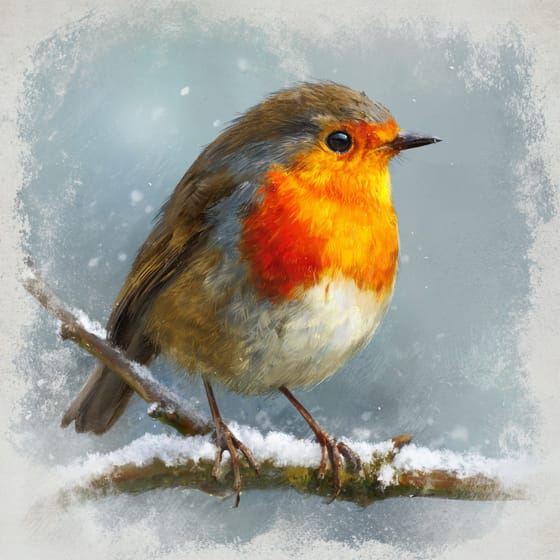
Erithacus rubecula
A common bird that preys on moths and caterpillars.
Salix caprea
Leaves provide essential nutrients for caterpillar growth.
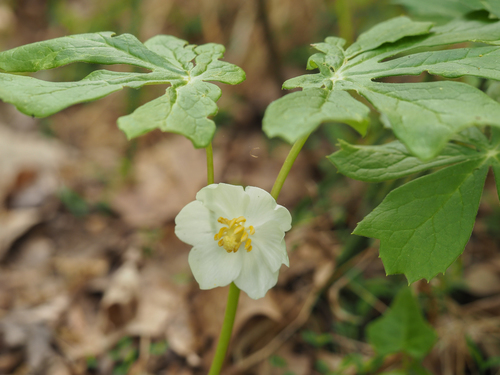
Rubus fruticosus
Adult moths visit flowers for nectar, aiding pollination.
Furry describes animals possessing a dense covering of soft hair or fur.
Solitary animals live alone for most of their lives, only interacting with others for mating or parental care.
Camouflaged describes organisms that possess coloring or patterns that allow them to blend into their environment.
This trait characterizes organisms whose diet consists entirely or primarily of plant material.

Forest habitats are terrestrial environments dominated by dense tree cover, supporting a high diversity of plant and animal life.

Nocturnal animals are primarily active during the nighttime hours, typically resting or sleeping during the day.

Describes organisms that transfer pollen, enabling the fertilization and reproduction of plants.
No aliases listed yet.
Danger
1/5 · Very low
Pug moths are harmless, but it's best to look at them without touching.
The easiest way to identify Pug Moths is to use the Snappit nature identifier app.
15-25 mm
10-20 mm
14-30 days
Adult Pug Moths sip nectar from flowers, while their caterpillars munch on leaves and buds.
Forests
6
Zoom in to split clusters and explore where this object has been snapped.
Recent snaps will appear here as new observations are added.
Take the discovery with you
Snap it with Snappit to identify it, learn what makes it special, and add the discovery to your collection.







.jpg&width=800)



