





Curlycup Gumweed
grindelia squarrosa
Curlycup Gumweed is a bright and cheerful flower that loves to grow in sunny places! Its curly petals and sticky leaves make it a favorite for bees and butterflies.
Habitat: Curlycup Gumweed typically lives in open fields, roadsides, and disturbed areas across North America.
The Curlycup Gumweed has bright yellow, daisy-like flowers that bloom from sticky, resinous buds. Its unique curled leaf-like structures, called phyllaries, cup the base of each flower head. The plant has stiff, branched stems and rough, toothed green leaves.
Category
PlantsRarity
Common
Danger
0/5 · No known danger
Snaps
5
Its name 'curlycup' comes from the unique curled bracts under its flowers.
Native Americans once used its resin to make traditional cough remedies.
The 'gum' on its flower buds feels like chewing gum to the touch!
This resilient plant is often one of the first to grow in disturbed areas.
Curlycup Gumweed has sticky resin on its buds that helps protect it from hungry insects and disease.
Curlycup Gumweed can thrive in dry, tough soils, making it a super survivor where other plants struggle.
Its unique resin helps seal in moisture and protect its flowers from harsh sunlight in open, sunny places.
Apis mellifera
Collects nectar and pollen from flowers.
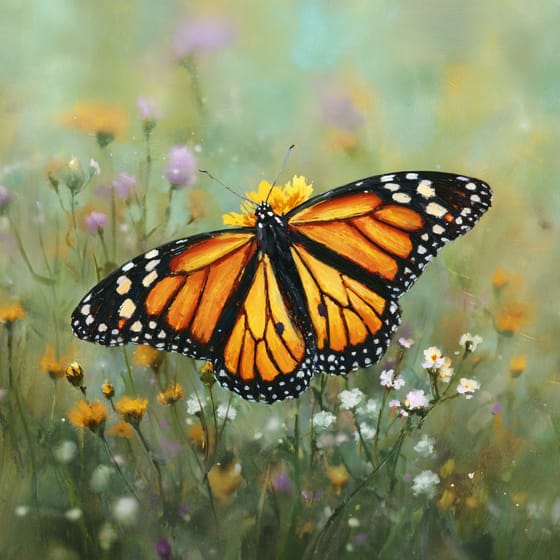
Danaus plexippus
Feeds on nectar during its long migrations.

Odocoileus virginianus
May browse on its leaves, especially young plants.
Bombus impatiens
Busy visitor, collecting pollen and nectar.
Colorful describes organisms or objects displaying a wide range of bright and distinct colors.
Grassland habitats are terrestrial biomes dominated by grasses and herbaceous plants, supporting a variety of grazing animals.
This trait characterizes organisms whose diet consists entirely or primarily of plant material.
Diurnal animals are primarily active during daylight hours, typically resting or sleeping at night.

Describes organisms that transfer pollen, enabling the fertilization and reproduction of plants.
Danger
0/5 · No known danger
No special safety notes yet.
The easiest way to identify Curlycup Gumweed is to use the Snappit nature identifier app.
30-100 cm
30-60 cm
2-6 cm
Summer-fall
No
Mild
Biennial
Zoom in to split clusters and explore where this object has been snapped.

Nebraska, US
You might spot Showy Milkweed and Straight-Lined Wave.
View guide →

Utah, US
You might spot Duck, Gambel Oak, and Box Elder.
View guide →

Washington, US
You might spot Arrowleaf Balsamroot and Canada Goose.
View guide →

Nebraska, US
You might spot House Finch, Woodhouse's Toad, and Mourning Dove.
View guide →

Utah, US
You might spot Duck, Gambel Oak, and Box Elder.
View guide →
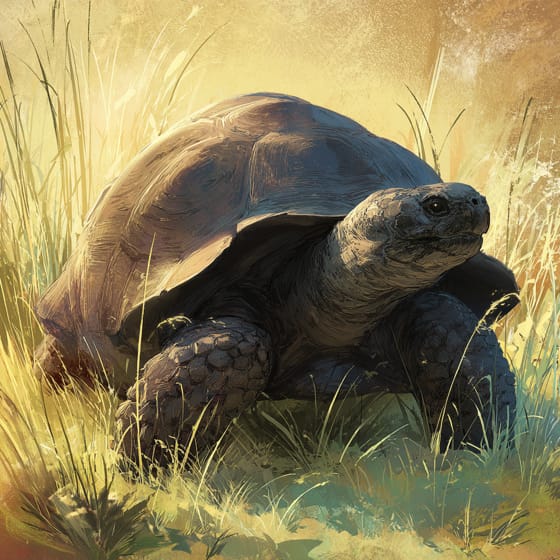
South Dakota, US
You might spot Aldabra Giant Tortoise and Saltwater Crocodile.
View guide →
Take the discovery with you
Snap it with Snappit to identify it, learn what makes it special, and add the discovery to your collection.









.jpg&width=800)



_001.jpg&width=800)




