





Pyxicephalus
Pyxicephalus
The Pyxicephalus, also known as the African Bullfrog, is a big, strong frog that can be found in Africa. They are known for their loud croaks and can jump really far!
Habitat: Wetlands
The Pyxicephalus is a very large, robust frog with a broad head and a stout body. It often has an olive-green or brownish coloration with darker blotches, and males display a vibrant yellow or orange throat sac. Its prominent bony ridges on the head make it visually distinct from many other frog species.
Category
AmphibiansRarity
Common
Danger
2/5 · Low
Snaps
Be the first to snap!
Male bullfrogs fiercely guard their pond territory, even from large animals!
Their powerful hind legs allow them to jump amazing distances for their size.
They can live for over 20 years, longer than many common pets!
When threatened, these big frogs inflate their bodies and hiss loudly.
Pyxicephalus can dig deep underground using specialized spades on its hind feet, which helps it survive long, dry periods.
Pyxicephalus has incredibly strong jaws and sharp bony projections that help it hold onto and devour large prey.
Male Pyxicephalus can guard their tadpoles and even dig channels, helping them find water in drying pools.
A big, hungry frog that eats almost anything it can fit in its mouth!
Age differences: Tadpoles are primarily herbivorous/omnivorous, eating algae and detritus, while adults are strict carnivores.
Xenopus laevis
A common prey item in their wetland habitats.
Mastomys natalensis
Often preys on small rodents found in grasslands.

Naja nivea
Larger snakes are known predators of adult frogs.
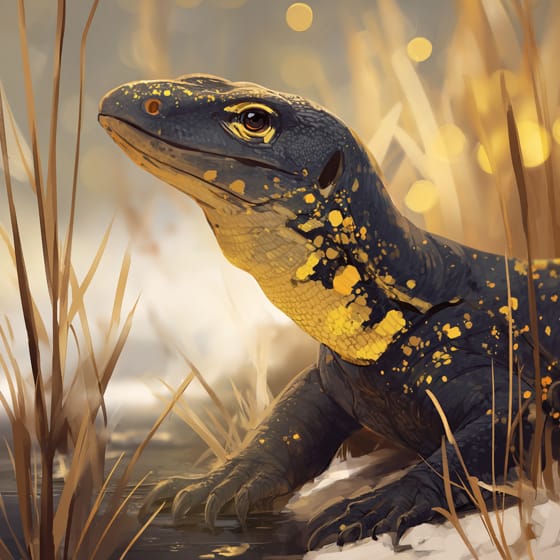
Varanus niloticus
Monitors prey on frogs and their eggs in aquatic areas.
Characterized by having toes connected by a membrane, typically aiding in swimming.
Solitary animals live alone for most of their lives, only interacting with others for mating or parental care.
Singing animals produce complex vocalizations, often for purposes of attracting mates, defending territory, or communicating within their species.
An ambush predator hunts by patiently waiting and concealing itself, then launching a sudden attack when unsuspecting prey comes within range.

This habitat trait identifies species found in wetlands, which are areas of land saturated with water, either permanently or seasonally, including marshes, swamps, and bogs.

This trait identifies organisms whose diet consists entirely or primarily of animal tissue.

Describes a species whose presence and role have a disproportionately large effect on its environment.

Giant describes organisms or objects of significantly larger size than average for their species or type.

Nocturnal animals are primarily active during the nighttime hours, typically resting or sleeping during the day.
Danger
2/5 · Low
Always watch frogs from a distance and do not touch them, as they can be sensitive to skin oils.
The easiest way to identify Pyxicephalus is to use the Snappit nature identifier app.
9-24 cm
0.5-1.4 kg
10-25 years
10 km/h
A big, hungry frog that eats almost anything it can fit in its mouth!
Wetlands
Ambush
Zoom in to split clusters and explore where this object has been snapped.
Recent snaps will appear here as new observations are added.
Take the discovery with you
Snap it with Snappit to identify it, learn what makes it special, and add the discovery to your collection.









.JPG&width=800)




.jpg&width=800)
