





Queen of Spain Fritillary
Issoria lathonia
The Queen of Spain Fritillary is a beautiful butterfly with orange and black patterns on its wings. It loves to flutter around flowers and can often be seen in sunny meadows during warm days.
Habitat: Grasslands
The Queen of Spain Fritillary has vibrant orange upper wings boldly patterned with distinct black spots. Its hindwing undersides are particularly striking, featuring large, brilliant silvery-white spots against a purplish-brown background, making it visually distinct from other fritillary species.
Category
InsectsRarity
Common
Danger
1/5 · Very low
Snaps
Be the first to snap!
Despite its name, this butterfly is common across much of Europe and Asia, not just Spain!
Its caterpillars love to munch on pansy and viola leaves, growing super fast!
Some Queen of Spain Fritillaries fly thousands of kilometers, migrating across continents!
The underside of its hindwings sparkles with large, mirror-like silver spots!
Queen of Spain Fritillary has silvery undersides that help them blend into bright surroundings, confusing predators when they rest.
Queen of Spain Fritillary can sense the sweetest flowers with its antennae, helping them find vital energy.
Queen of Spain Fritillary performs a complete metamorphosis, transforming from a crawling larva into a flying beauty.
Caterpillars munch on leaves, while adult butterflies sip sweet flower nectar!
Age differences: Yes, caterpillars eat leaves, and adults drink nectar.

Viola tricolor
Caterpillars feed on its leaves.
Cirsium vulgare
Adults collect nectar from its flowers.
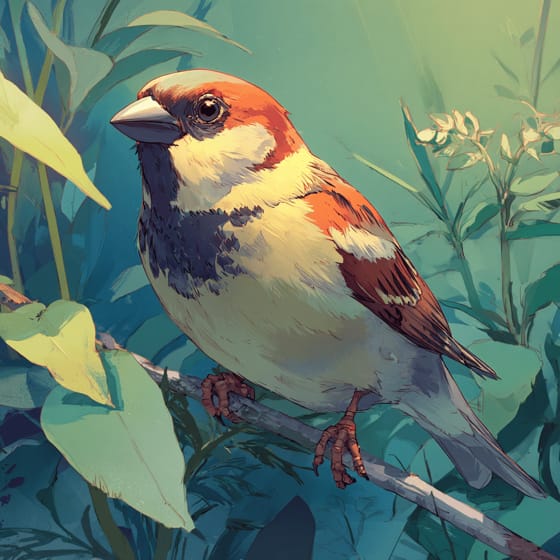
Passer domesticus
Birds can prey on adult butterflies.
Marked with spots or patches of a different color.
Colorful describes organisms or objects displaying a wide range of bright and distinct colors.
Grassland habitats are terrestrial biomes dominated by grasses and herbaceous plants, supporting a variety of grazing animals.
This trait characterizes organisms whose diet consists entirely or primarily of plant material.

Describes plants that are particularly attractive and beneficial to a wide range of pollinating organisms.

Diurnal animals are primarily active during daylight hours, typically resting or sleeping at night.

Migratory animals undertake seasonal movements from one region to another, typically in response to changes in climate or food availability.

Describes organisms that transfer pollen, enabling the fertilization and reproduction of plants.
No aliases listed yet.
Danger
1/5 · Very low
Butterflies are gentle and safe to watch, but don't try to catch them.
The easiest way to identify Queen of Spain Fritillary is to use the Snappit nature identifier app.
38-50 mm
10-15 mm
14-21 days
15 km/h
Caterpillars munch on leaves, while adult butterflies sip sweet flower nectar!
Grasslands
Foraging
Zoom in to split clusters and explore where this object has been snapped.
Recent snaps will appear here as new observations are added.
Take the discovery with you
Snap it with Snappit to identify it, learn what makes it special, and add the discovery to your collection.






.jpg&width=800)



