





Pallid-winged Grasshopper
Trimerotropis pallidipennis
The Pallid-winged Grasshopper is a small, colorful insect that loves to hop around in grasslands. It has pale wings that help it blend in with its surroundings and avoid predators.
Habitat: Grasslands
The Pallid-winged Grasshopper has a robust body, often sandy-brown or grayish, blending seamlessly with arid terrain. Its hind wings are typically a pale yellow with distinct dark bands, visible during flight, setting it apart from uniformly colored grasshoppers. Their antennae are short and robust.
Category
InsectsRarity
Common
Danger
1/5 · Very low
Snaps
17
Some years, so many appear they look like moving carpets across the desert!
These grasshoppers chew their food sideways, not up and down, like we do.
They have ears on their belly, not on their head, to hear things all around them!
They use their antennae to smell and feel their way around the world.
Pallid-winged Grasshopper can leap amazing distances because of its powerful hind legs that help them escape predators quickly.
Pallid-winged Grasshopper has sandy colors and textured body that helps them blend perfectly with desert environments.
Pallid-winged Grasshopper can make a loud crackling sound during flight because its wings rub together to attract mates.
Munching on various plants and grasses, they help keep dry lands tidy.
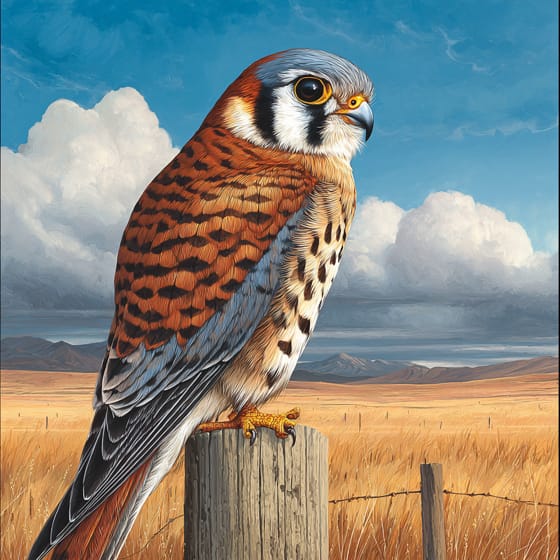
Falco sparverius
A common bird of prey
Gambelia wislizenii
A quick desert predator
Salsola tragus
Feeds on this common weed
Social animals live in organized groups, cooperating for survival benefits such as foraging, defense, and raising offspring.
Singing animals produce complex vocalizations, often for purposes of attracting mates, defending territory, or communicating within their species.
Camouflaged describes organisms that possess coloring or patterns that allow them to blend into their environment.
Colorful describes organisms or objects displaying a wide range of bright and distinct colors.

Grassland habitats are terrestrial biomes dominated by grasses and herbaceous plants, supporting a variety of grazing animals.

This trait characterizes organisms whose diet consists entirely or primarily of plant material.

Diurnal animals are primarily active during daylight hours, typically resting or sleeping at night.

This trait identifies organisms that exhibit exceptional swiftness in movement for hunting, escape, or travel.
No aliases listed yet.
Danger
1/5 · Very low
Be gentle and watch where you step to avoid hurting small insects like grasshoppers.
The easiest way to identify Pallid-winged Grasshopper is to use the Snappit nature identifier app.
36-100 mm
24-51 mm
60-120 days
18 km/h
Munching on various plants and grasses, they help keep dry lands tidy.
Grasslands
Foraging
Zoom in to split clusters and explore where this object has been snapped.

California, US
You might spot California Poppy and Common Side-Blotched Lizard.
View guide →

California, US
You might spot Western Fence Lizard, Duck, and California Brittlebush.
View guide →

Texas, US
You might spot Texas Rainbow Cactus, Ocotillo, and Greater Earless Lizard.
View guide →

New Mexico, US
You might spot Vermilion Flycatcher, Turkey, and American Rubyspot.
View guide →

Arizona, US
You might spot Saguaro and Graham's Nipple Cactus.
View guide →

New Mexico, US
You might spot Common Side-Blotched Lizard and Kingcup Cactus.
View guide →
Take the discovery with you
Snap it with Snappit to identify it, learn what makes it special, and add the discovery to your collection.






.jpg&width=800)



