.jpg&width=800)





Two-spotted Tree Cricket
Neoxabea bipunctata
The Two-spotted Tree Cricket is a small, green insect known for its beautiful singing. They love to hide in trees and bushes, making music at night during the warm months.
Habitat: Forests
The Two-spotted Tree Cricket is slender, pale green, or yellowish, allowing it to blend perfectly with foliage. It is easily recognized by two distinct small black spots located on its translucent forewings near the base, which differentiates it from other tree crickets.
Category
InsectsRarity
Common
Danger
1/5 · Very low
Snaps
Be the first to snap!
A group of crickets is sometimes called an 'orchestra' because of their musical calls!
Did you know tree crickets hear with their legs? They have tiny 'ears' on their front knees!
Their songs are like a thermometer; the hotter it is, the faster they chirp!
Unlike many insects, these crickets lay their eggs inside plant stems for safekeeping.
Two-spotted Tree Cricket can produce a rhythmic, trilling song by rubbing its wings together, which helps them attract mates in the dark.
Two-spotted Tree Cricket has a pale green body that perfectly blends with leaves and stems, helping them hide from hungry birds.
Two-spotted Tree Cricket can detect tiny vibrations in leaves and branches using special leg sensors, helping find food or sense danger.
This cricket enjoys a varied diet, munching on soft plant parts and tiny insects like aphids.
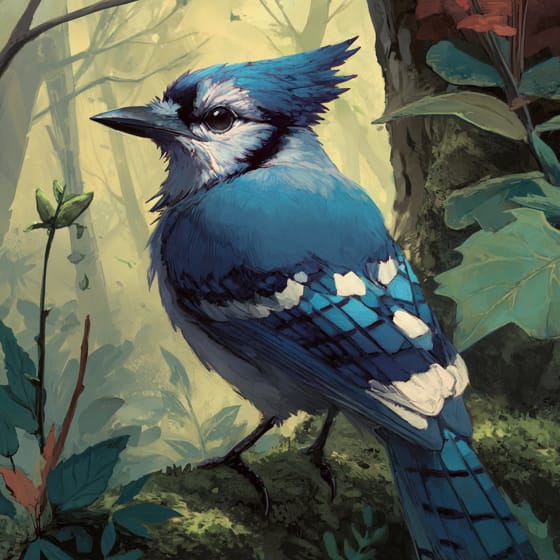
Cyanocitta cristata
Birds like jays prey on crickets.
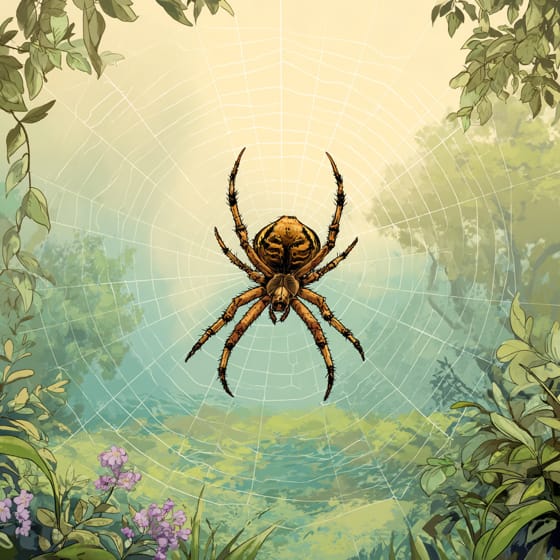
Araneus diadematus
Spiders capture crickets in their webs.
.jpg&width=800)
Stagmomantis carolina
Praying mantises ambush and consume crickets.
Aphis gossypii
Crickets feed on small, soft-bodied insects like aphids.

Quercus alba
Feeds on the leaves and sap of various trees.
Marked with spots or patches of a different color.
Social animals live in organized groups, cooperating for survival benefits such as foraging, defense, and raising offspring.
Singing animals produce complex vocalizations, often for purposes of attracting mates, defending territory, or communicating within their species.
Camouflaged describes organisms that possess coloring or patterns that allow them to blend into their environment.

This trait characterizes organisms whose diet consists entirely or primarily of plant material.

Forest habitats are terrestrial environments dominated by dense tree cover, supporting a high diversity of plant and animal life.

Pertaining to species that are significantly smaller than typical or average for their kind.

Nocturnal animals are primarily active during the nighttime hours, typically resting or sleeping during the day.
No aliases listed yet.
Danger
1/5 · Very low
Crickets are harmless and fun to watch, but it's best to leave them in their homes.
The easiest way to identify Two-spotted Tree Cricket is to use the Snappit nature identifier app.
25-35 mm
12-18 mm
60-90 days
This cricket enjoys a varied diet, munching on soft plant parts and tiny insects like aphids.
Forests
Foraging
6
Zoom in to split clusters and explore where this object has been snapped.
Recent snaps will appear here as new observations are added.
Take the discovery with you
Snap it with Snappit to identify it, learn what makes it special, and add the discovery to your collection.








.jpg&width=800)



