





Red-belted Clearwing Moth
Synanthedon myopaeformis
The Red-belted Clearwing Moth looks like a tiny hummingbird! It has bright red bands on its body and can be found fluttering around flowers during the day.
Habitat: Gardens
The Red-belted Clearwing Moth has transparent, scale-less wings and a slender, dark body. It features a bright reddish-orange band around its abdomen, making it look strikingly similar to a wasp.
Category
InsectsRarity
Common
Danger
1/5 · Very low
Snaps
Be the first to snap!
Adult Red-belted Clearwing Moths fly during the daytime, unlike most moths.
Instead of fuzzy scales, most of its wings are clear like glass!
It's an amazing insect actor, pretending to be a wasp to trick its enemies!
Its caterpillars spend up to two years hidden inside tree trunks!
Red-belted Clearwing Moths can perfectly mimic a stinging wasp because of their appearance and flight, which helps them scare away predators.
Red-belted Clearwing Moths have clear, scale-free wings that help them fly quickly and look more like fast-moving stinging insects.
Red-belted Clearwing Moth larvae can tunnel deep into fruit trees that helps them safely eat and grow hidden from hungry birds.
Adults sip nectar from flowers, while young caterpillars munch on the inner bark of fruit trees.
Age differences: Larvae tunnel and feed on tree wood, while adults drink flower nectar.
Malus domestica
larvae tunnel into tree wood
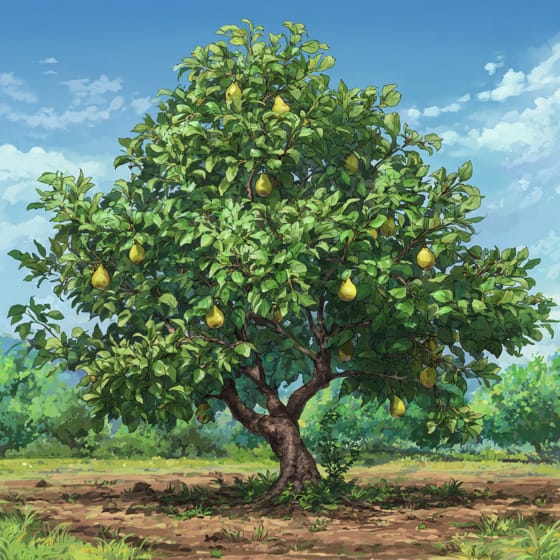
Pyrus communis
larvae tunnel into tree wood
Prunus avium
larvae tunnel into tree wood
%2C_Parc_de_Woluw%C3%A9%2C_Brussels_(13042792905).jpg&width=800)
Parus major
adults and larvae are food for birds
Aerial creatures spend a significant portion of their lives airborne, utilizing flight for various activities such as hunting, migration, or nesting.
Colorful describes organisms or objects displaying a wide range of bright and distinct colors.
This trait characterizes organisms whose diet consists entirely or primarily of plant material.
Describes plants that are particularly attractive and beneficial to a wide range of pollinating organisms.

Diurnal animals are primarily active during daylight hours, typically resting or sleeping at night.

Pertaining to species that are significantly smaller than typical or average for their kind.

This habitat trait indicates species that can coexist with humans in urban and suburban environments, utilizing man-made structures and green spaces.

Describes organisms that transfer pollen, enabling the fertilization and reproduction of plants.
No aliases listed yet.
Danger
1/5 · Very low
These moths are harmless and fun to watch, but don’t touch them.
The easiest way to identify Red-belted Clearwing Moth is to use the Snappit nature identifier app.
18-26 mm
10-14 mm
10-20 days
15 km/h
Adults sip nectar from flowers, while young caterpillars munch on the inner bark of fruit trees.
Gardens
Foraging
Zoom in to split clusters and explore where this object has been snapped.
Recent snaps will appear here as new observations are added.
Take the discovery with you
Snap it with Snappit to identify it, learn what makes it special, and add the discovery to your collection.







.jpg&width=800)



