





Red-belted Sand Wasp
Ammophila sabulosa
The Red-belted Sand Wasp is a busy little insect that loves to dig in the sand. It builds nests for its babies and helps keep the environment healthy by pollinating flowers.
Habitat: Sandy areas
The Red-belted Sand Wasp has a long, slender black body with a striking red-orange band across its abdomen. Its waist is very thin and thread-like, giving it a distinctive elegant appearance. Its clear wings are slightly smoky brown.
Category
InsectsRarity
Common
Danger
2/5 · Low
Snaps
Be the first to snap!
It can build a new underground nursery for each single larva it lays!
Some female wasps 'trick' other wasps by pretending to steal their prey!
The Red-belted Sand Wasp will fly in a spiral pattern to map its nest location!
This wasp meticulously smooths sand over its nest opening to hide it!
Red-belted Sand Wasp can dig intricate burrows in sandy soil with its strong legs to create safe nests for its young.
Red-belted Sand Wasp has a powerful sting that paralyzes prey like caterpillars, ensuring fresh food for its developing larvae.
Red-belted Sand Wasp can remember the exact location of its hidden nest, even after long hunting flights, using visual cues.
Red-belted Sand Wasp can lift and fly with paralyzed prey much heavier than itself, transporting it back to its burrow.
Adults drink nectar for energy, but their young feast on paralyzed caterpillars stored in burrows.
Age differences: Adults primarily consume nectar, while larvae are fed paralyzed caterpillars by the mother.

Noctua pronuba
Larvae are paralyzed and stored as food for wasp young.
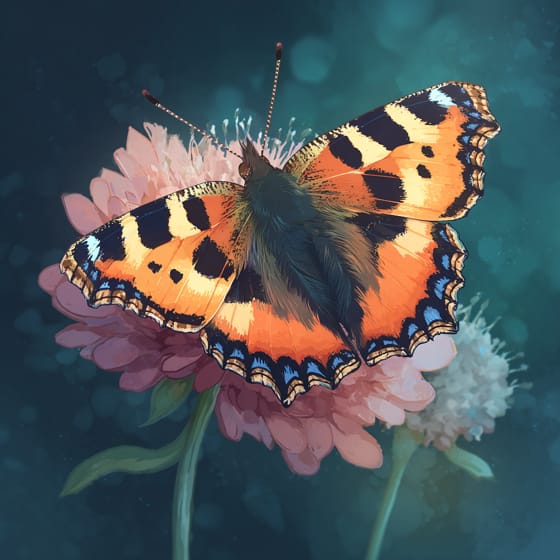
Aglais urticae
Female wasps hunt their caterpillars for their developing young.

Merops apiaster
Often preyed upon by bee-eaters that snatch them mid-air.
Daucus carota
Visits flowers like wild carrot for nectar, aiding pollination.
Solitary animals live alone for most of their lives, only interacting with others for mating or parental care.
Burrowing animals dig tunnels and chambers in the ground, using these subterranean structures for shelter, hunting, or breeding.
Colorful describes organisms or objects displaying a wide range of bright and distinct colors.
This trait identifies organisms whose diet primarily consists of insects and other small invertebrates.

Diurnal animals are primarily active during daylight hours, typically resting or sleeping at night.

Describes a species whose presence and role have a disproportionately large effect on its environment.

Describes organisms that transfer pollen, enabling the fertilization and reproduction of plants.
No aliases listed yet.
Danger
2/5 · Low
If you see a wasp, watch it from a distance and don't bother it.
The easiest way to identify Red-belted Sand Wasp is to use the Snappit nature identifier app.
15-35 mm
10-23 mm
20-40 days
25 km/h
Adults drink nectar for energy, but their young feast on paralyzed caterpillars stored in burrows.
Sandy areas
Pursuit
Zoom in to split clusters and explore where this object has been snapped.
Recent snaps will appear here as new observations are added.
Take the discovery with you
Snap it with Snappit to identify it, learn what makes it special, and add the discovery to your collection.








.jpg&width=800)


