_(10182267513).jpg&width=800)





Red Cone Gall Wasp
Feron kingi
The Red Cone Gall Wasp is a tiny insect that makes special galls on plants. These galls look like little red cones and are homes for the wasp's babies. They are fascinating to see in nature!
Habitat: Forests
The Red Cone Gall Wasp is a tiny insect, typically dark brown to black, with clear wings. Its most striking feature isn't the wasp itself, but the bright red, cone-shaped galls it creates, which grow on the underside of oak leaves.
Category
InsectsRarity
Common
Danger
1/5 · Very low
Snaps
1
Each tiny gall can house just one wasp larva, safe inside its leafy, custom-built home.
The gall protects the developing wasp larva better than any fortress from predators!
The red "cones" you see on oak leaves are actually mini nurseries for baby wasps!
These wasps are so small, many can fit comfortably on the head of a pin!
Red Cone Gall Wasp can chemically induce oak trees to grow specialized, protective galls for its larvae, providing both shelter and food.
Red Cone Gall Wasp larvae have specialized saliva that tricks oak leaves into forming a safe, nutrient-rich home where they can develop unseen.
Red Cone Gall Wasp can manipulate plant growth with its eggs, creating a unique red cone structure for its young that looks like part of the plant.
Adults may sip nectar, but the larvae are dedicated vegetarians, feasting on oak leaf tissue within their gall.
Age differences: Larvae consume specialized plant tissue within the gall; adults may occasionally feed on nectar or honeydew.
Quercus rubra
induces gall formation on its leaves for larval development.
Torymus bedeguaris
lays eggs on the gall wasp larvae, consuming them from within the gall.
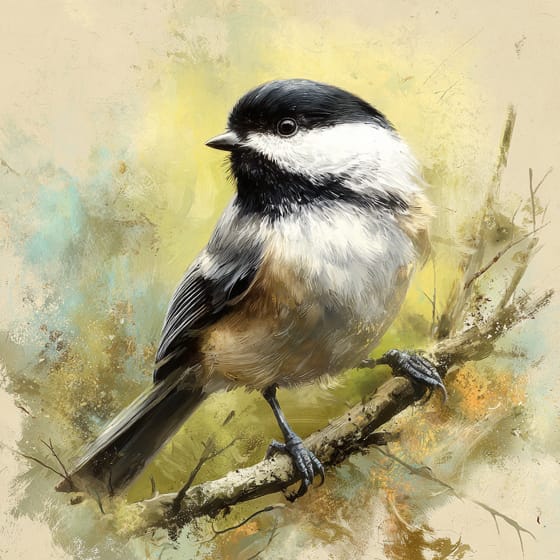
Poecile atricapillus
forages for gall wasp larvae by pecking open galls.
Solitary animals live alone for most of their lives, only interacting with others for mating or parental care.
This trait characterizes organisms whose diet consists entirely or primarily of plant material.
Describes plants that are particularly attractive and beneficial to a wide range of pollinating organisms.
Forest habitats are terrestrial environments dominated by dense tree cover, supporting a high diversity of plant and animal life.

Describes a species whose presence and role have a disproportionately large effect on its environment.

Pertaining to species that are significantly smaller than typical or average for their kind.

Describes organisms that transfer pollen, enabling the fertilization and reproduction of plants.
No aliases listed yet.
Danger
1/5 · Very low
It's best to look at insects from a distance and not touch them.
The easiest way to identify Red Cone Gall Wasp is to use the Snappit nature identifier app.
2-4 mm
14-30 days
Adults may sip nectar, but the larvae are dedicated vegetarians, feasting on oak leaf tissue within their gall.
Forests
Null
6
0
Zoom in to split clusters and explore where this object has been snapped.
Take the discovery with you
Snap it with Snappit to identify it, learn what makes it special, and add the discovery to your collection.









.jpg&width=800)


