_-_(imago)%2C_Cape_Cod_(MA)%2C_United_States.jpg&width=800)





Variegated June Beetle
Polyphylla variolosa
The Variegated June Beetle is a shiny, colorful bug that loves to munch on leaves. It has a beautiful mix of colors that makes it stand out in gardens and parks!
Habitat: Urban areas, gardens
The Variegated June Beetle has an oval, stout body, typically reddish-brown to dark brown. It is often covered in dense patches of white or yellowish scales that create a mottled or 'variegated' pattern, making it look distinctly speckled.
Category
InsectsRarity
Common
Danger
1/5 · Very low
Snaps
Be the first to snap!
Male June Beetles have huge, fan-like antennae to sniff out females!
Some people call them 'June Bugs' because they emerge in early summer!
Their grubs live underground for years, feasting on plant roots!
They are attracted to bright lights at night, often bumping into windows!
Variegated June Beetles have large, fan-like antennae that can detect chemical signals to find mates and food sources.
Their strong, spiny front legs help them dig into soil, allowing them to hide from predators and lay eggs safely underground.
They possess large compound eyes adapted for low light, enabling them to fly and navigate effectively after sunset to find mates.
Adults munch on tree leaves and shrubs, while their grubs feast on plant roots underground!
Age differences: Larvae (grubs) eat plant roots underground; adults feed on tree and shrub leaves above ground.
Mephitis mephitis
Skunks dig up and eat their grubs.
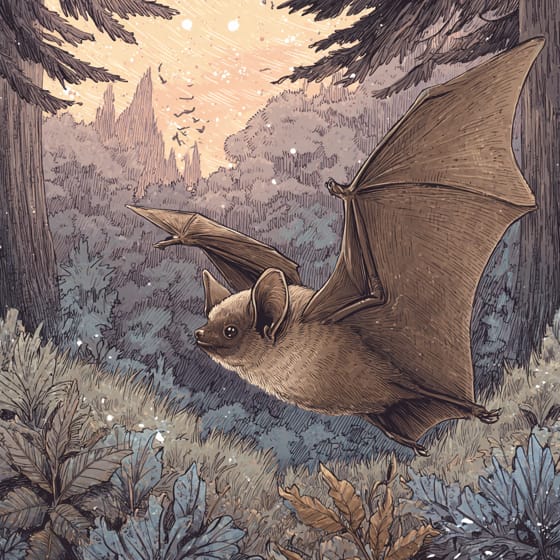
Myotis lucifugus
Bats catch adult beetles during night flights.

Quercus alba
Adult beetles feed on its leaves.

Acer saccharum
Larvae can damage maple tree roots.
Social animals live in organized groups, cooperating for survival benefits such as foraging, defense, and raising offspring.
Pertaining to plants with leaves or petals exhibiting different colors in patches or stripes.
Aerial creatures spend a significant portion of their lives airborne, utilizing flight for various activities such as hunting, migration, or nesting.
Colorful describes organisms or objects displaying a wide range of bright and distinct colors.

This trait characterizes organisms whose diet consists entirely or primarily of plant material.

Describes organisms that break down dead organic material, recycling nutrients back into the ecosystem.

Diurnal animals are primarily active during daylight hours, typically resting or sleeping at night.

This habitat trait indicates species that can coexist with humans in urban and suburban environments, utilizing man-made structures and green spaces.

Describes organisms that transfer pollen, enabling the fertilization and reproduction of plants.
No aliases listed yet.
Danger
1/5 · Very low
These beetles are not harmful, but it's best to watch them from a distance.
The easiest way to identify Variegated June Beetle is to use the Snappit nature identifier app.
50-70 mm
25-35 mm
30-60 days
12 km/h
Adults munch on tree leaves and shrubs, while their grubs feast on plant roots underground!
Urban areas, gardens
Foraging
Zoom in to split clusters and explore where this object has been snapped.
Recent snaps will appear here as new observations are added.
Take the discovery with you
Snap it with Snappit to identify it, learn what makes it special, and add the discovery to your collection.








.jpg&width=800)



